
Rurouni Kenshin Part III: The Legend Ends
2014
No user ratings available yet
Diversity score: 5.7 out of 10
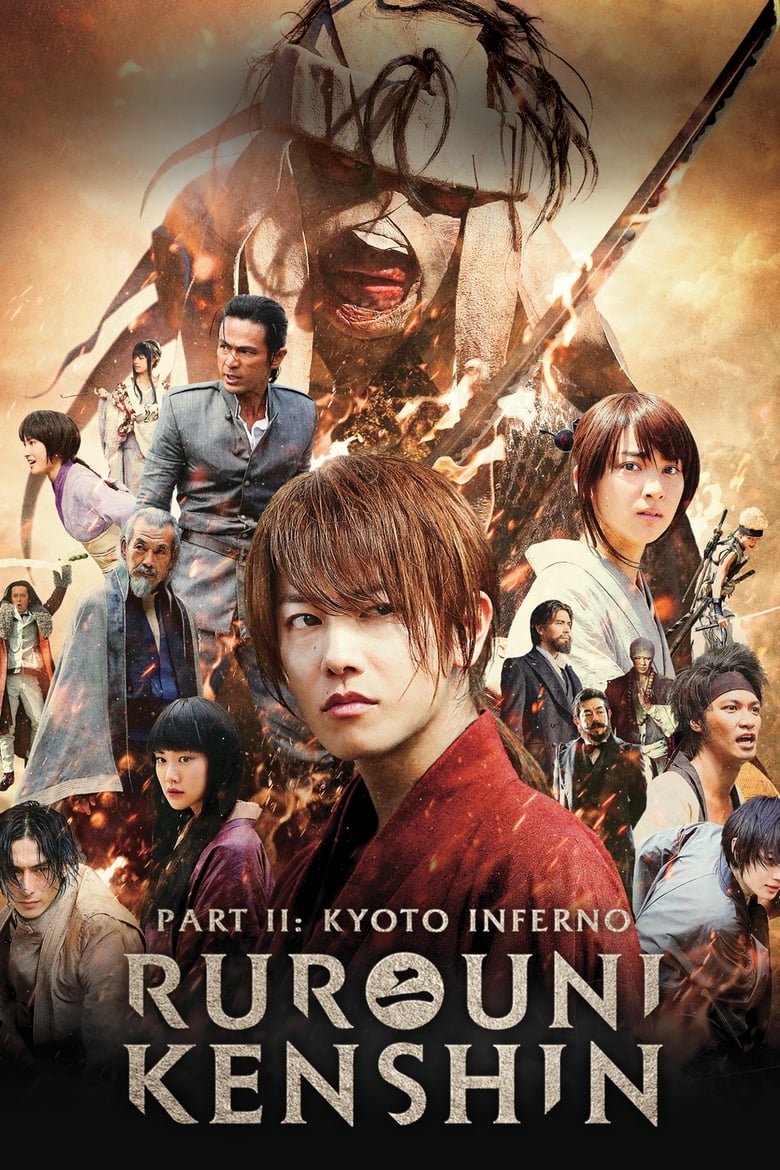
2014
TV-MADirector
Keishi Otomo
Runtime
138 minutes
Average Rating
No ratings yetSynopsis
Kenshin has settled into his new life with Kaoru and his other friends when he is approached with a request from the Meiji government. Makoto Shishio, a former assassin like Kenshin, was betrayed, set on fire and left for dead. He survived, and is now in Kyoto, plotting with his gathered warriors to overthrow the new government. Against Kaoru's wishes, Kenshin reluctantly agrees to go to Kyoto and help keep his country from falling back into civil war.
Overall Score
Fair
Category Breakdown
LGBTQ+ Representation
The film focuses on heteronormative romantic dynamics, specifically the bond between Kenshin and Kaoru. There is no discernible presence of queer subtext or non-cisnormative identities within the primary character arcs.
Gender Representation
Kamiya Kaoru disrupts conventional expectations by acting as a martial arts practitioner with physical agency. Her combat proficiency subverts the traditional 'damsel in distress' trope often found in historical epics.
Racial & Ethnic Diversity
Casting is intentionally homogeneous to maintain the authenticity of Meiji-era Japan. The film lacks intersectional racial blending, reflecting the socio-historical constraints of its specific setting.
Religious & Cultural Diversity
The narrative critiques rapid Westernization and the centralized Meiji government. It frames the transition from feudalism to a modern state as a source of systemic instability and moral erosion.
Disability Representation
Characters bear physical and psychological scars from past violence. These marks serve as drivers for revenge and trauma-coded motivation rather than providing a platform for agency-driven disability representation.
Strengths
Areas for Improvement
AI Analysis
Rurouni Kenshin: Kyoto Inferno is a period drama that prioritizes historical authenticity and thematic depth over modern intersectional representation. While the setting limits racial diversity, the film excels in its intellectual critique of Western-influenced modernization and state authority. The film's strongest progressive element is its treatment of gender, specifically through Kaoru's martial agency. However, the narrative remains anchored in traditional romantic structures and lacks any meaningful LGBTQ+ presence. Ultimately, the film uses the physical and psychological scars of its characters to drive plot and motivation, though it stops short of centering disability as a primary identity or agency.
2014
2021
2021
2012
No reviews yet. Be the first to share your thoughts on this movie!
Use the rating form above to leave a star rating and optional review.