
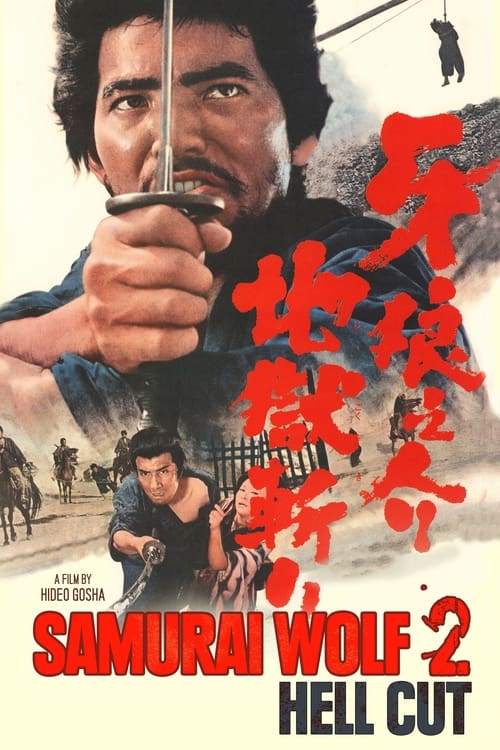
Samurai Wolf
1966
No user ratings available yet
Representation score: 6.0 out of 10

Representation Score
Good
1966
Not RatedDirector
Hideo Gosha
Runtime
91 minutes
Average Rating
No ratings yetNew Showbiz Analysis
Hideo Gosha’s film offers a gritty deconstruction of the samurai mythos. By focusing on an anti-hero who exists on the fringes of society, the film moves away from idealized, formalist traditions to explore more complex, morally relativistic themes. The narrative is most progressive in its treatment of disability and its critique of institutional loyalty. The protagonist's physical transformations are integrated into his ability to act and drive the story, challenging the standard requirement for physical perfection in action cinema. However, the film remains limited by the era's social norms. It lacks modern markers of diversity, particularly regarding gender and sexual orientation, remaining anchored in a masculine, patriarchal framework.
Category Breakdown
The film does not include explicit LGBTQ+ characters or narratives that challenge the assumption that everyone is straight or cisgender. It follows typical 1960s period cinema, focusing on the protagonist's journey and personal quest.
The story focuses on a male protagonist within a patriarchal feudal system. While it avoids promoting submissive femininity, female characters have little control over their situations and cannot significantly change the established gender hierarchies.
The cast is ethnically uniform, reflecting the historical reality of feudal Japan. The film explores Japanese identity and class struggle within a culturally specific context.
The narrative challenges traditional institutional morality by centering an anti-hero who operates through vigilantism. It prioritizes individual choice and situational ethics over rigid, state-sanctioned clan loyalty.
Physical disability is a key part of the protagonist's character development. His loss of an eye and an arm shapes his new identity and ability to act, rather than becoming a source of ridicule.
Present on Screen
Limited or Absent
Official Synopsis
Loyal samurai Samanosuke is attacked, mutilated, and left for dead while carrying out a mission for his clan. He recovers but has lost an eye and an arm. Taking a new identity as Tange Sazen, he searches for a stolen urn which has hidden significance to his clan. But Tange Sazen has his own reasons for seeking the urn.
1966
2008
1970
1962
1967
1980
1979
1967
No reviews yet. Be the first to share your thoughts on this movie!
Use the rating form above to leave a star rating and optional review.