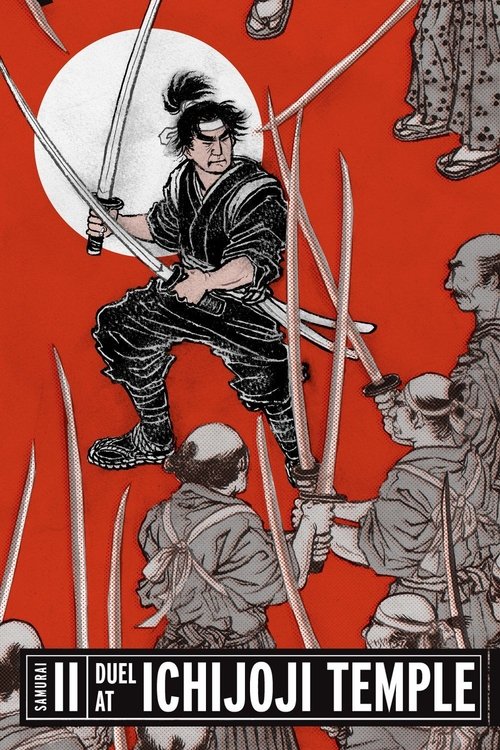
Samurai II: Duel at Ichijoji Temple
1955
No user ratings available yet
Representation score: 1.7 out of 10

Representation Score
Limited
1956
TV-PGDirector
Hiroshi Inagaki
Runtime
105 minutes
Average Rating
No ratings yetNew Showbiz Analysis
This film is a classic period drama that centers on historical archetypes and martial philosophy. It serves as a study of individual mastery within a strict honor-based social order rather than a critique of broader societal structures. The production adheres to the social and gender hierarchies of its time. While it achieves historical authenticity for a 17th-century setting, it lacks the layered complexity found in more contemporary narratives. Ultimately, the film excels in its genre-specific execution but remains a culturally specific work that upholds traditional social frameworks.
Category Breakdown
The film focuses on traditional romantic relationships and martial skills. There are no depictions of same-sex relationships or non-binary gender identities.
Male characters like Musashi and Kojiro take center stage, while female characters such as Otsu and Akemi mainly support the plot emotionally or domestically.
The cast reflects a homogeneous cultural background, fitting the 17th-century Japanese context. Despite historical accuracy, the film does not include diverse ethnic viewpoints or blend different cultural backgrounds.
The story is deeply influenced by the Bushido code and the social hierarchy of the Edo period. It emphasizes duty and honor within established traditions.
The narrative does not address visible or invisible disabilities. The focus on peak physical prowess may sideline perspectives on physical or neurological differences.
Present on Screen
Limited or Absent
Official Synopsis
A humble and simple Takezo abandons his life as a knight errant. He's sought as a teacher and vassal by Shogun, Japan's most powerful clan leader. He's also challenged to fight by the supremely confident and skillful Sasaki Kojiro. Takezo agrees to fight Kojiro in a year's time but rejects Shogun's patronage, choosing instead to live on the edge of a village, raising vegetables. He's followed there by Otsu and later by Akemi, both in love with him. The year ends as Takezo assists the villagers against a band of brigands. He seeks Otsu's forgiveness and accepts her love, then sets off across the water to Ganryu Island for his final contest.
1955
1954
1969
1967
1962
1952
1959
1964
No reviews yet. Be the first to share your thoughts on this movie!
Use the rating form above to leave a star rating and optional review.