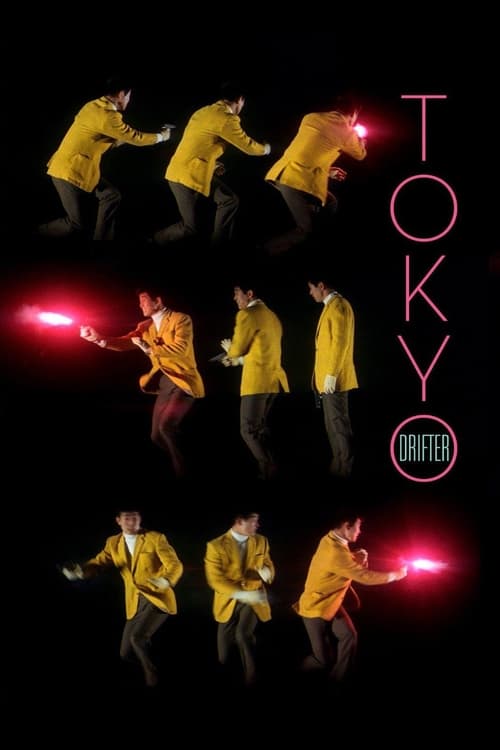
Tokyo Drifter
1966
No user ratings available yet
Representation score: 3.4 out of 10

Representation Score
Limited
1960
Director
Kihachi Okamoto
Runtime
95 minutes
Average Rating
No ratings yetNew Showbiz Analysis
The film is a traditional mid-century crime thriller that prioritizes character-driven moral ambiguity over social diversity. Its strength lies in its complex exploration of ethics through the unlikely bond between a detective and a criminal. However, the narrative is limited by its narrow focus on masculine archetypes and a lack of women's ability to drive the story. The story relies on a deceased female character to drive the plot rather than presenting women as active participants. Ultimately, while the film offers a sophisticated look at situational justice, it remains a culturally homogeneous production that lacks characters who reflect more than one aspect of diversity.
Category Breakdown
The film focuses on a masculine bond between a detective and a gangster, with no visible representation of LGBTQ+ identities or non-cisgender perspectives.
The story is driven by masculine archetypes, with women serving primarily as plot catalysts rather than active agents.
Set in 1960s Japan, the film depicts a culturally homogeneous environment without utilizing diverse casting to challenge the demographic status quo of the era.
The narrative explores the friendship between law enforcement and criminals, creating a nuanced view of justice that prioritizes individual loyalty over institutional rules.
There are no discernible depictions of physical or neurodivergent disabilities within the narrative.
Present on Screen
Limited or Absent
Official Synopsis
Japanese police detective Saburo Fujioka is suspected of corruption, demoted, and sent to the city of Kojin. Kojin is the scene of fierce fighting between rival gangs. Fujioka is assigned to investigate the death of the wife of gangster Tetsuo Maruyama of the Kozuka gang, probably at the hands of one of the Oka gang. During a gang gunfight, Maruyama is rescued by Detective Fujioka and the two become friends. But Maruyama insists on avenging his wife's murder, even if it means conflict with his new friend.
1966

1967

1963

1971

1961
1973

1968

1968
No reviews yet. Be the first to share your thoughts on this movie!
Use the rating form above to leave a star rating and optional review.