
New Battles Without Honor and Humanity 1
1974
No user ratings available yet
Representation score: 1.9 out of 10
Representation Score
Limited
1966
Not RatedDirector
Kihachi Okamoto
Runtime
122 minutes
Average Rating
No ratings yetNew Showbiz Analysis
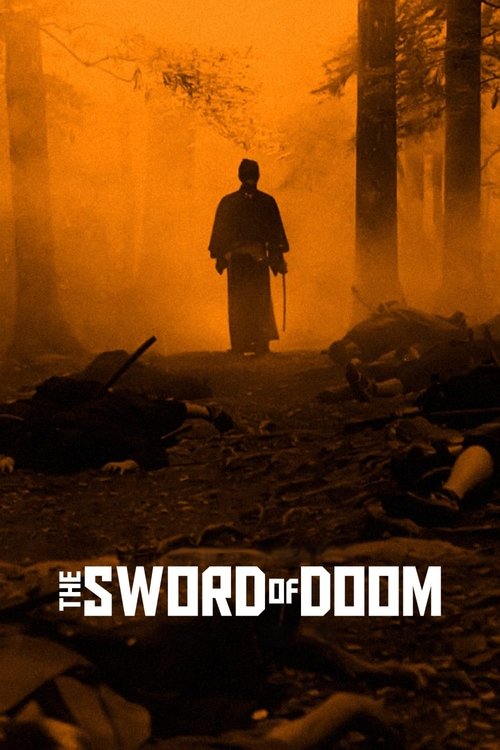
The Sword of Doom offers a deep deconstruction of the samurai ideal. By replacing the myth of the noble warrior with a study of psychological decay and nihilism, the film presents a protagonist who operates outside conventional morality. Though the film lacks traditional demographic diversity, it achieves narrative complexity through a systemic critique. It challenges the heroic warrior cliché by validating a worldview that exists outside traditional moral frameworks. Ultimately, the film's strength lies in its refusal to provide a redemptive arc, instead using the protagonist's anti-social behavior to critique a rigid, oppressive social order.
Category Breakdown
The film does not include any identifiable LGBTQ+ characters or narratives. The story focuses solely on the hyper-masculine journey of the protagonist.
Women are shown mainly as victims or secondary figures in the film. The story centers on a destructive male force rather than challenging traditional gender roles.
The cast is ethnically uniform, reflecting the Edo-period setting. However, the film examines economic disparities between masterless samurais and peasants.
The film stands out by questioning the Bushido code. It presents the protagonist’s actions through moral relativism, rejecting traditional heroic stories in favor of nihilism.
The film does not significantly address visible or invisible disabilities. The protagonist's psychological issues serve as a tool for exploring nihilism rather than a detailed look at mental health.
Present on Screen
Limited or Absent
Official Synopsis
Ryunosuke, a gifted swordsman plying his trade during the turbulent final days of Shogunate rule, has no moral code and kills without remorse. It’s a way of life that leads to madness.
1974
1962

1973

1972
1984
1980
1969
1973
No reviews yet. Be the first to share your thoughts on this movie!
Use the rating form above to leave a star rating and optional review.