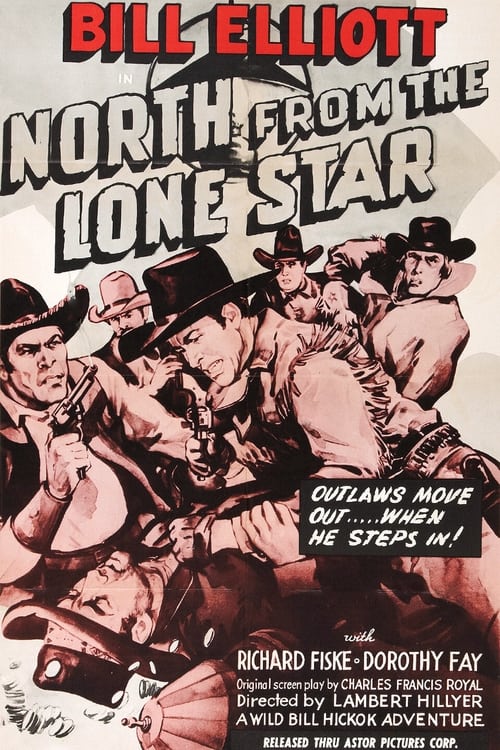
North from the Lone Star
1941
No user ratings available yet
Diversity score: 1.4 out of 10
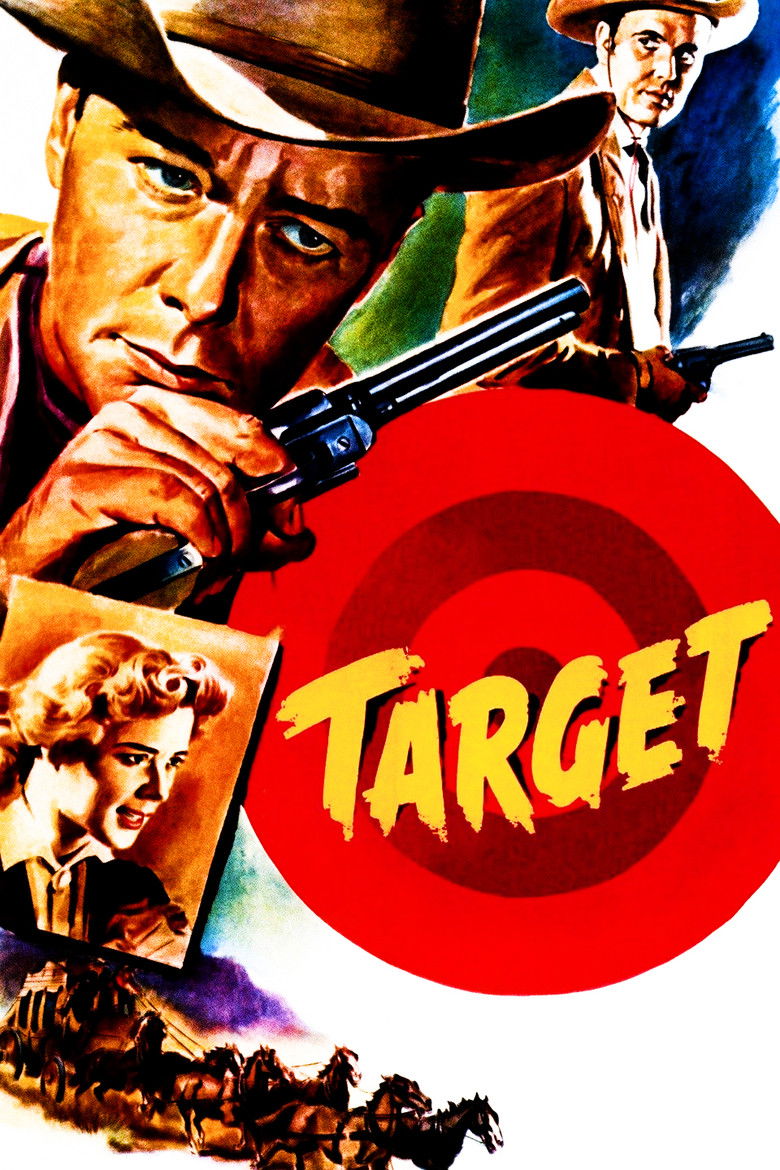
1952
PassedDirector
Stuart Gilmore
Runtime
61 minutes
Average Rating
No ratings yetSynopsis
A female marshal and a newspaper editor help heroic Tim Holt fight an evil land agent. Western.
Overall Score
Minimal
Category Breakdown
LGBTQ+ Representation
The film contains no discernible LGBTQ+ characters or non-heteronormative identities. It adheres strictly to the heteronormative standards of the 1950s.
Gender Representation
A female marshal provides a slight disruption to typical Western tropes by holding legal authority. However, the central heroic arc remains driven by Tim Holt, reinforcing traditional masculine leadership.
Racial & Ethnic Diversity
The cast and setting reflect a homogeneous social structure lacking significant racial or ethnic diversity. The narrative functions within a standard Anglo-centric framework.
Religious & Cultural Diversity
The story reinforces traditional Western institutions and the concept of law and order. It offers no critique of religion, capitalism, or the family unit.
Disability Representation
There is no evidence of characters with visible or invisible disabilities. Disability is not utilized as a narrative or plot device.
Strengths
Areas for Improvement
AI Analysis
Target is a conventional mid-century Western that prioritizes clear-cut moral binaries and existing social hierarchies. While it offers a minor deviation from genre norms through a female marshal, the film remains anchored in traditional masculine competence and leadership. The production lacks intersectional depth, presenting a homogeneous social structure that avoids moral relativism. It functions primarily to uphold the conservative cultural norms and legal structures of 1952. Ultimately, the film serves as a standard genre piece that reinforces established social roles rather than challenging them.
1941
1930
1940
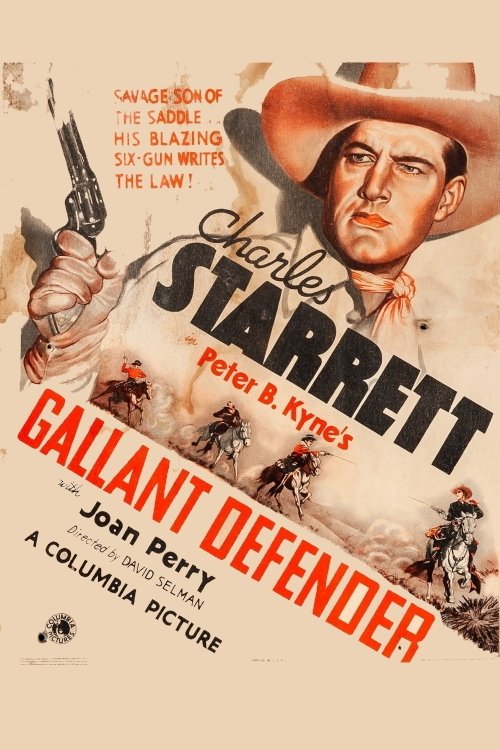
1935
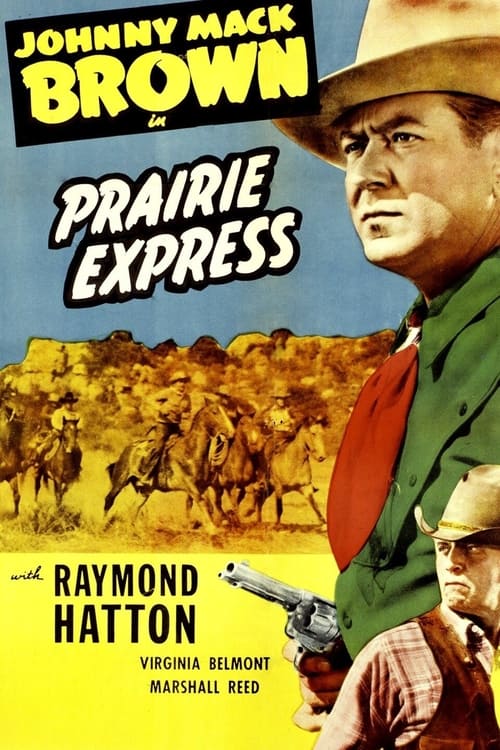
1947
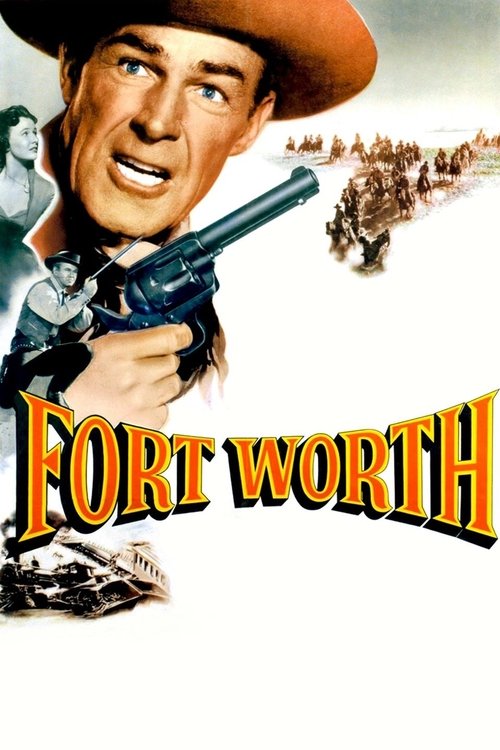
1951
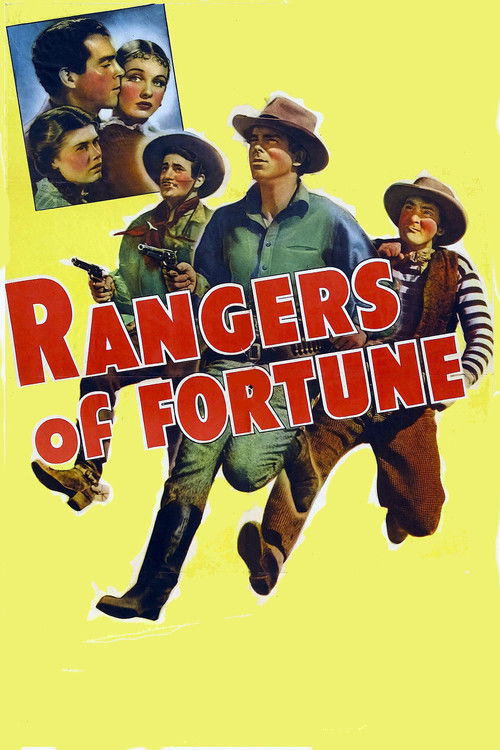
1940
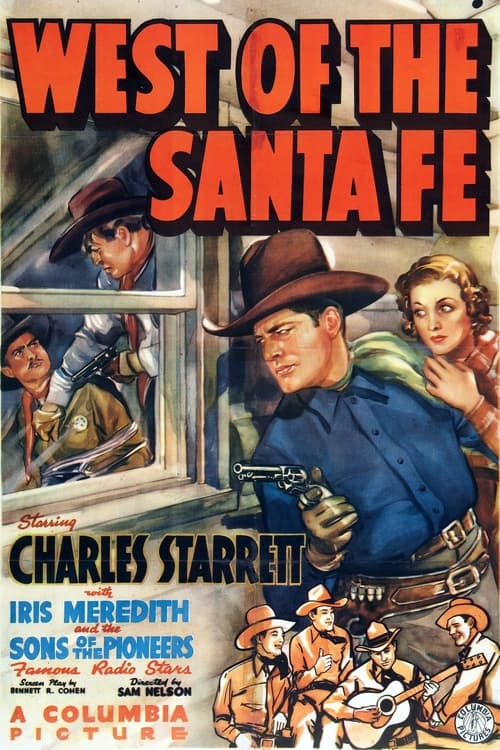
1938
1948

1947
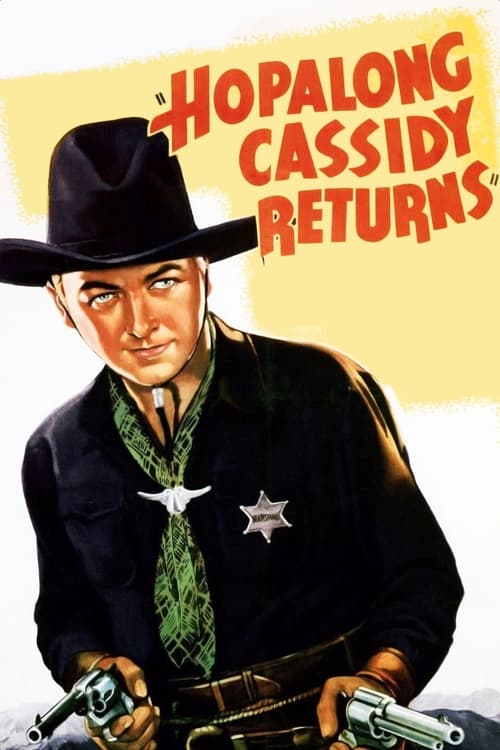
1936

1946
No reviews yet. Be the first to share your thoughts on this movie!
Use the rating form above to leave a star rating and optional review.