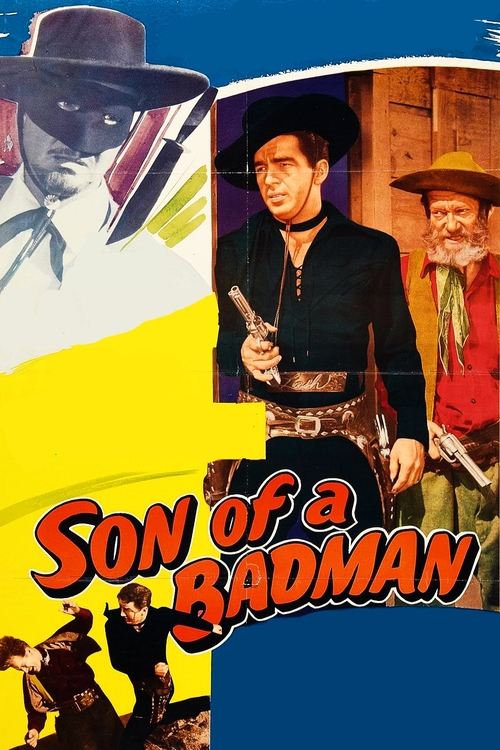
Son of Billy the Kid
1949
No user ratings available yet
Diversity score: 1.6 out of 10
1948
PassedDirector
Ray Taylor
Runtime
54 minutes
Average Rating
No ratings yetSynopsis
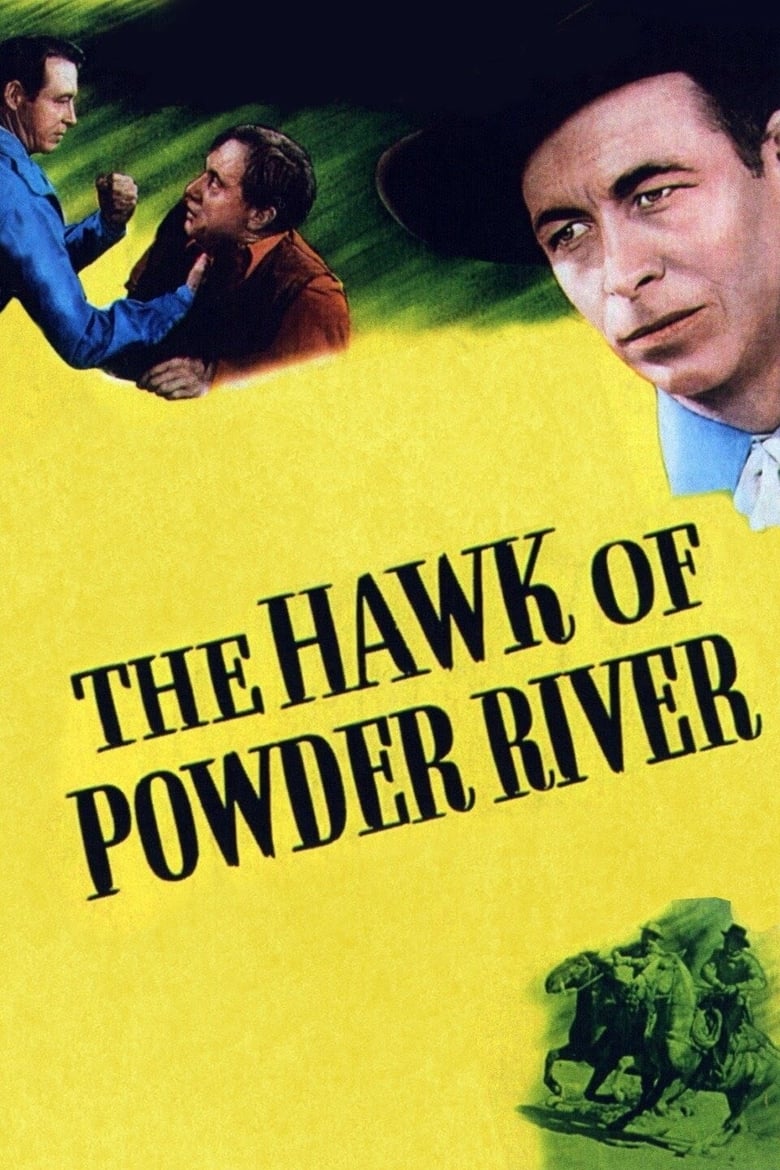
B-western starring Eddie Dean as a singing lawman who comes to the aid of a pretty rancher (June Carlson) who's been targeted for murder by a notorious bandit known as "The Hawk".
Overall Score
Minimal
Category Breakdown
LGBTQ+ Representation
The film contains no discernible LGBTQ+ characters or narratives. The social architecture is strictly heteronormative, consistent with 1948 cinematic standards.
Gender Representation
The narrative reinforces traditional hierarchies where agency remains concentrated in the male lead. The female role is primarily reactive, serving as a damsel requiring protection.
Racial & Ethnic Diversity
The film features a predominantly white cast reflecting period casting practices. There is a lack of meaningful character depth for non-Anglo-Saxon individuals.
Religious & Cultural Diversity
The story emphasizes the restoration of order and the triumph of law-abiding citizens. It upholds traditional values of justice and frontier stability.
Disability Representation
There are no visible or invisible disabilities portrayed within the character arcs. The cast consists of able-bodied archetypes designed for physical action.
Strengths
Areas for Improvement
AI Analysis
The Hawk of Powder River functions as a standard mid-century B-Western, prioritizing genre conventions over social complexity. The film relies on established hierarchies, with masculine agency driving the plot and a clear, binary distinction between law and criminality. Representation is limited by the era's historical constraints. The cast is racially homogeneous, and the social structure lacks intersectional engagement or non-cisnormative identities. The film serves as a historical baseline for the genre's traditionalist approach. Ultimately, the production focuses on linear morality tales. It reinforces conventional 1940s gender roles and lacks any intentional subversion of the status quo.
1949
1949
1948
1938
1948
1947
1949
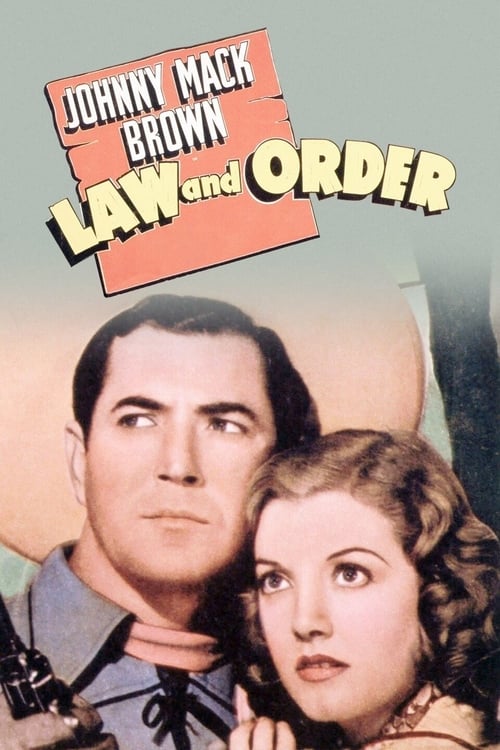
1940
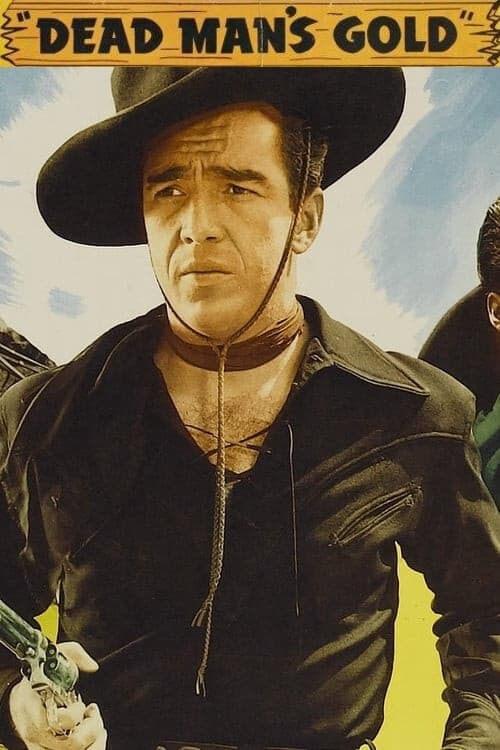
1948

1947
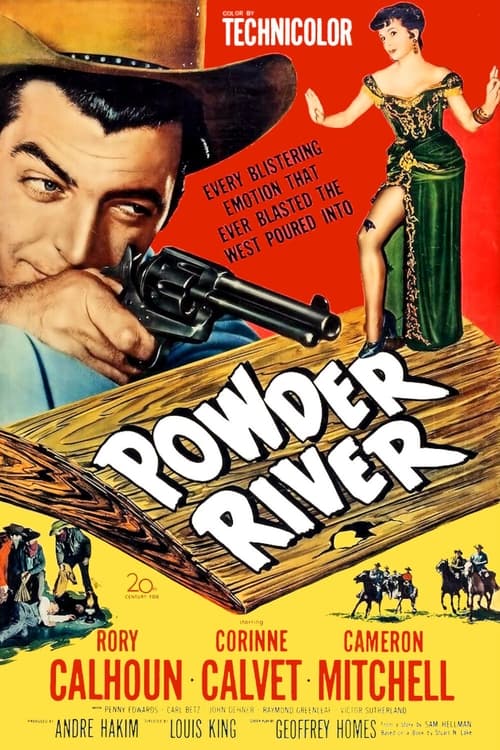
1953
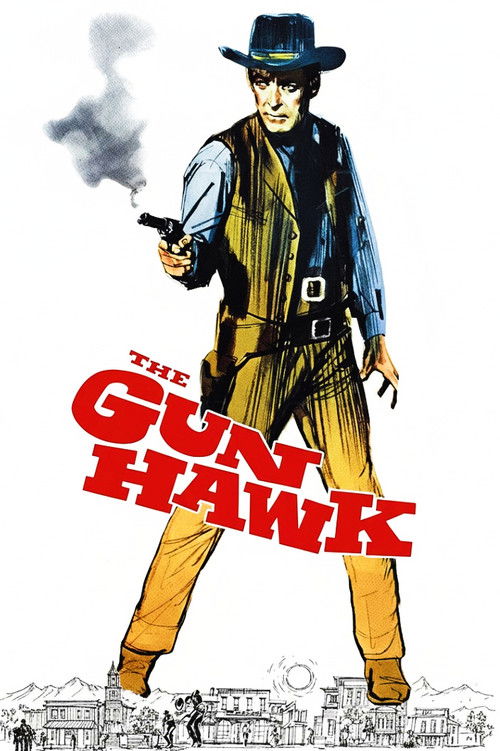
1963
No reviews yet. Be the first to share your thoughts on this movie!
Use the rating form above to leave a star rating and optional review.