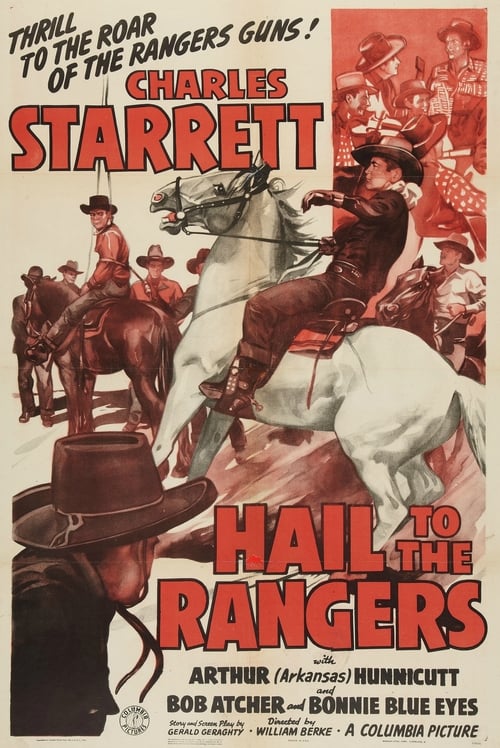
Hail to the Rangers
1943
No user ratings available yet
Representation score: 1.3 out of 10
Representation Score
Minimal
1940
ApprovedDirector
Sam Wood
Runtime
80 minutes
Average Rating
No ratings yetNew Showbiz Analysis
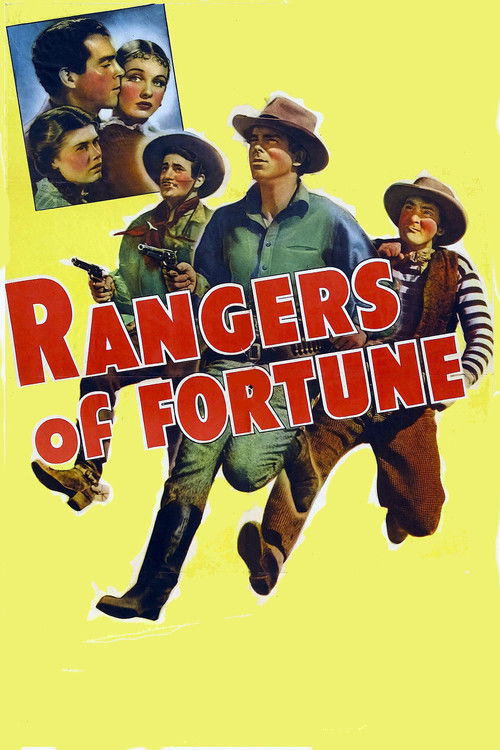
Rangers of Fortune is a typical 1940s adventure film that upholds the colonial and straight-centered perspectives of its era. The narrative focuses on white American protagonists and reinforces existing social hierarchies without challenging them. The film operates within a standard Western-style framework, where conflicts are driven by foreign interests. It lacks depth in representing underrepresented identities and diverse cultural perspectives. Ultimately, the film supports the status quo of its time, presenting heroism through a lens of traditional masculinity and Western interventionism.
Category Breakdown
The film does not include any LGBTQ+ characters or themes related to queer identities. It follows the assumption that everyone is straight or cisgender, reflecting the social norms of 1940s Hollywood.
Joan Bennett plays a key role in advancing the plot, but her influence is tied to her relationships with men. The story emphasizes traditional masculine leadership and dominance.
The film centers around a white American protagonist group, viewing the South American setting through a Western-centric lens. Local populations are often portrayed using conventional stereotypes of otherness.
It follows mid-20th-century adventure clichés, emphasizing the protection of commercial interests. The film does not engage with moral relativism and favors foreign intervention to maintain stability.
There is no visible representation of neurodivergence, physical disabilities, or chronic illness among the main characters.
Present on Screen
Limited or Absent
Official Synopsis
An US Army misfit and his pals roam the west in search of adventure. Arriving in a small town, they befriend the elderly newspaper editor and his young granddaughter. The trio learn that the community is under the thumb of a covetous land baron, who's endeavoring to push out ranch owners and take over the territory.
1943
1939
1943
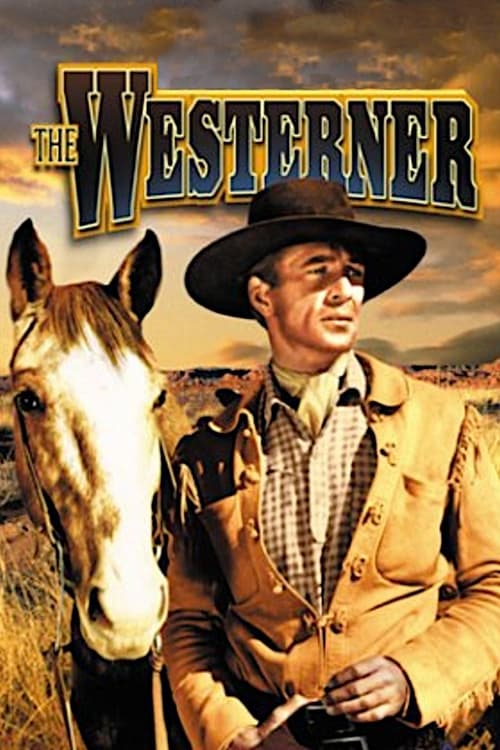
1940
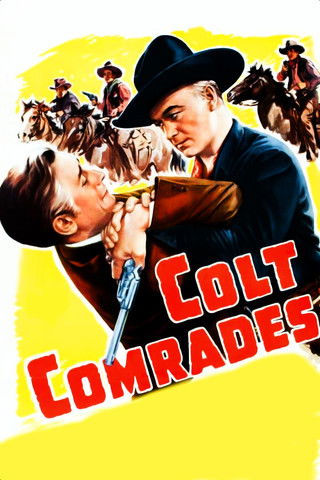
1943
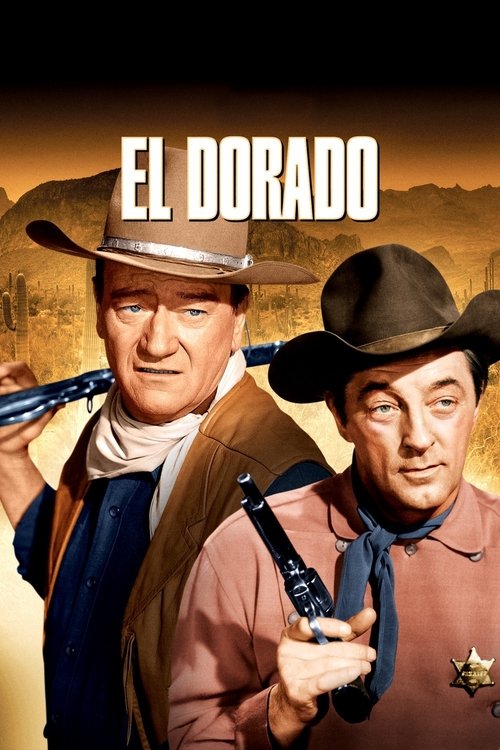
1966

1976

1934
No reviews yet. Be the first to share your thoughts on this movie!
Use the rating form above to leave a star rating and optional review.