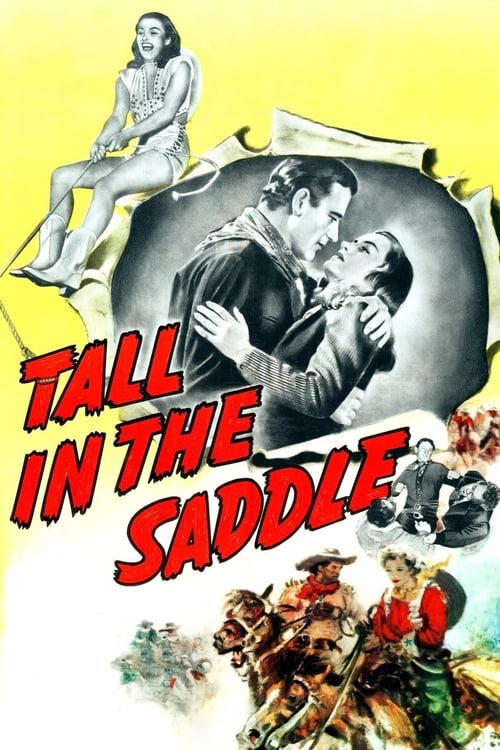
Tall in the Saddle
1944
No user ratings available yet
Diversity score: 1.4 out of 10
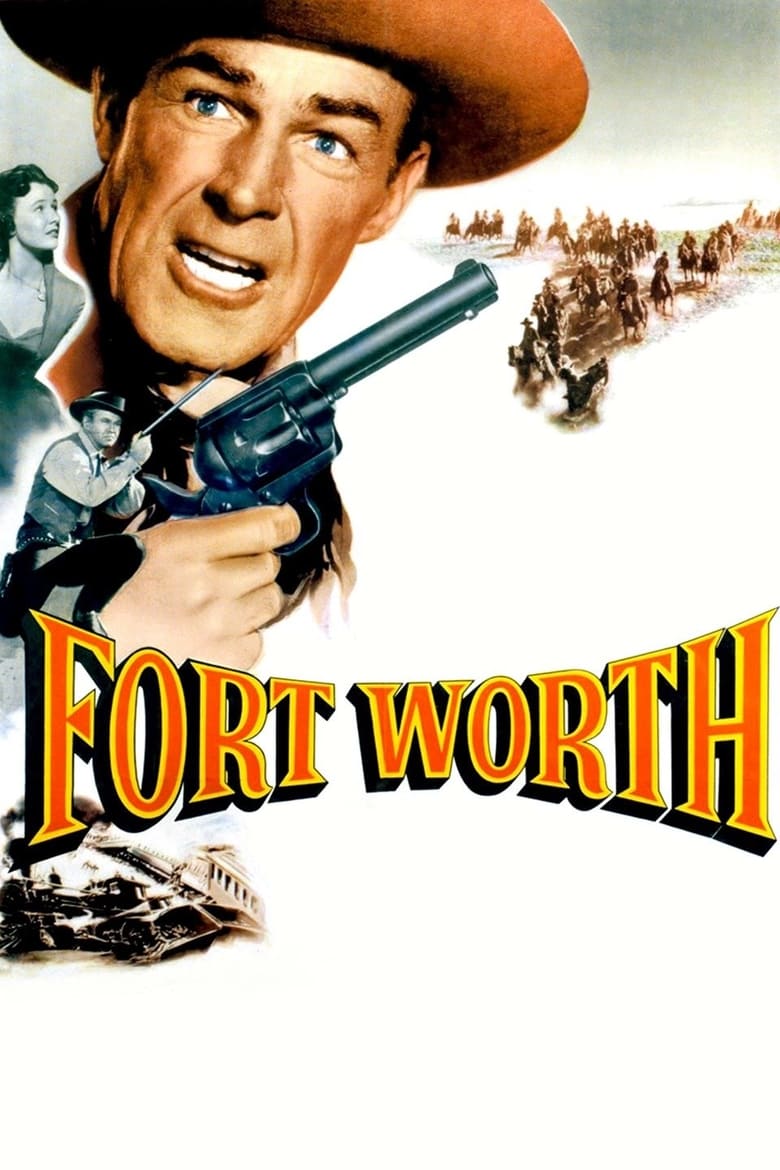
1951
ApprovedDirector
Edwin L. Marin
Runtime
80 minutes
Average Rating
No ratings yetSynopsis
Ex-gunfighter Ned Britt returns to Fort Worth after the civil war to help run a newspaper which is against ambitious men and their schemes for control.
Overall Score
Minimal
Category Breakdown
LGBTQ+ Representation
The film lacks any discernible LGBTQ+ characters or narratives. It adheres strictly to mid-century social frameworks without queer subtext.
Gender Representation
Narratives focus on masculine archetypes of authority and ruggedness. Women appear in secondary roles, primarily as romantic interests or figures needing protection.
Racial & Ethnic Diversity
The cast is predominantly white and Anglo-Saxon, reflecting a homogeneous social structure. There is no significant minority agency or color-blind casting.
Religious & Cultural Diversity
The story promotes traditional Western values and the transition to organized civilization. It validates law enforcement and property protection as essential social tools.
Disability Representation
There is no documented representation of visible or invisible disabilities. Characters with disabilities do not serve as central figures or plot drivers.
Strengths
Areas for Improvement
AI Analysis
Fort Worth is a quintessential 1950s Western that reinforces the social hierarchies of its era. The film centers on masculine authority and the establishment of frontier order, leaving little room for diverse perspectives. The narrative architecture prioritizes traditional Western values, such as the stabilization of society through law and property protection. This focus comes at the expense of racial, gender, and LGBTQ+ inclusivity. Ultimately, the film functions as a period-typical genre piece that validates established institutional structures rather than challenging them.
1944
1967
1936

1956
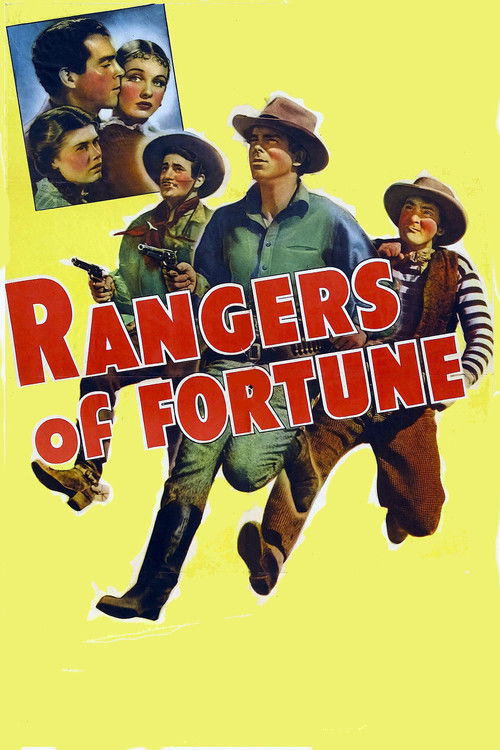
1940
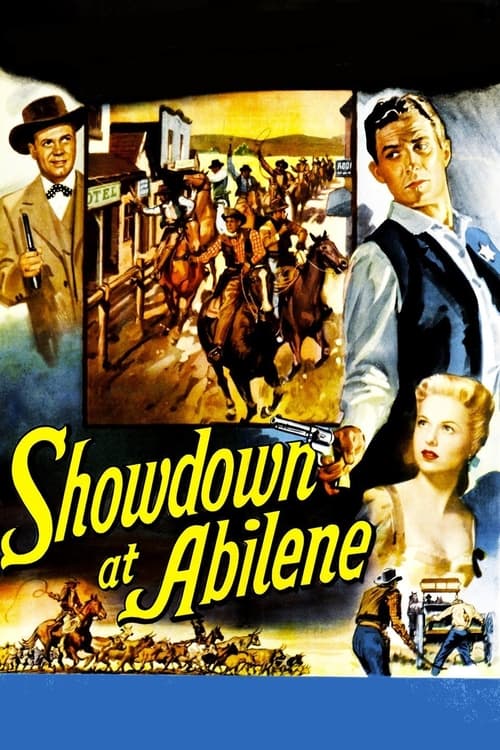
1956
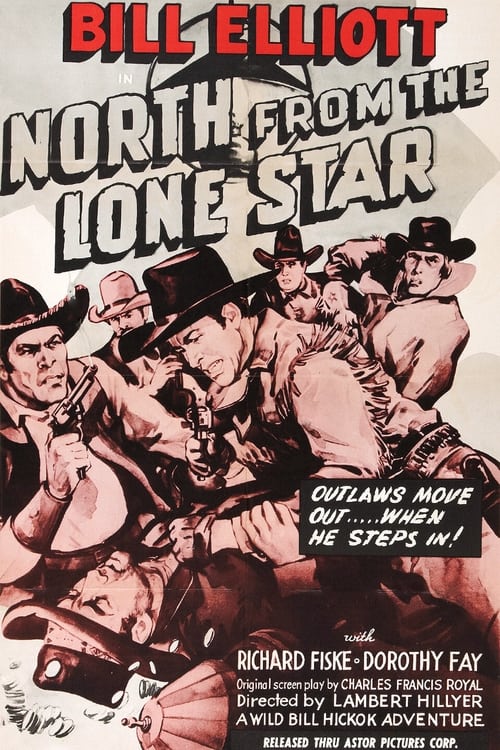
1941
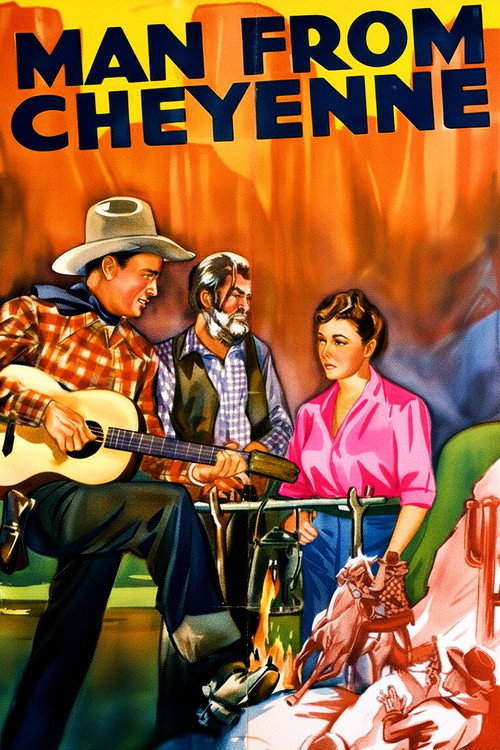
1942
1964

1955
1955

1952
No reviews yet. Be the first to share your thoughts on this movie!
Use the rating form above to leave a star rating and optional review.