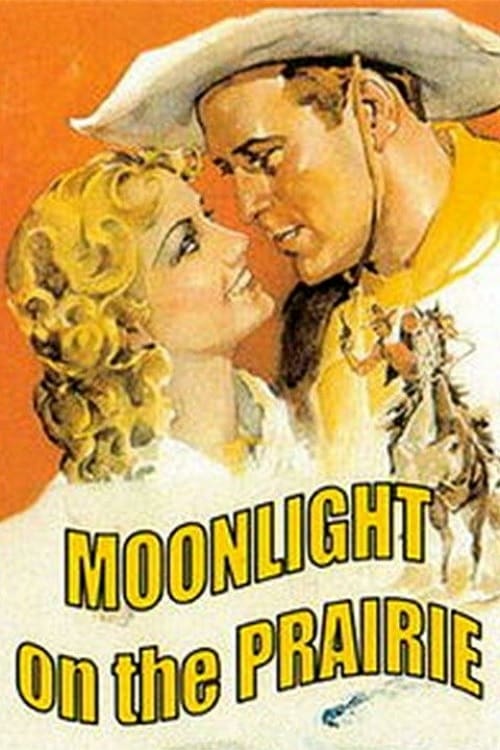
Moonlight on the Prairie
1935
No user ratings available yet
Diversity score: 2.3 out of 10

1940
PassedDirector
D. Ross Lederman
Runtime
57 minutes
Average Rating
No ratings yetSynopsis
After a handful of non-formula westerns, Charles Starrett returned to the mixture as before in Thundering Frontier. Starrett plays Jim Fillmore, kind to old ladies, small animals and heroine Norma Belknap (Iris Meredith). In contrast, the villains are kind to no one, least of all struggling building contractor Square Deal Scottie (Alex Callam), whose projects are continually targeted for demolition and his payroll is forever being stolen at gunpoint. A good 25 percent of the film's running time is given over to Bob Nolan and the Sons of the Pioneers, whose C&W croonings are pleasant but a bit much. One of the film's few surprises is that Starrett's perennial screen sparring partner Dick Curtis isn't one of the bad guys.
Overall Score
Minimal
Category Breakdown
LGBTQ+ Representation
The film follows a traditional romantic pairing between the hero and the heroine. There is no evidence of non-heteronormative identities or same-sex intimacy.
Gender Representation
The narrative reinforces patriarchal hierarchies through Jim Fillmore's protective, chivalric behavior. While Iris Meredith provides visibility as a female lead, she functions primarily as a traditional romantic interest.
Racial & Ethnic Diversity
The story centers on conflicts between white protagonists and white antagonists. The casting reflects 1940s standards, focusing on Anglo-Saxon characters without significant agency for people of color.
Religious & Cultural Diversity
The plot adheres to conventional Western morality and the protection of property. It lacks critiques of religious or social institutions, focusing instead on individual heroism and justice.
Disability Representation
The narrative summary contains no mention of characters with visible or invisible disabilities.
Strengths
Areas for Improvement
AI Analysis
Thundering Frontier is a quintessential 1940s B-Western that prioritizes genre formulas over social complexity. The film relies on a binary struggle between virtuous heroes and unmitigated villains, which reinforces established moral hierarchies. The production adheres to the era's standard tropes, featuring a white-centric cast and traditional gender roles. While the film provides visibility through its female lead, the character lacks significant agency beyond her romantic connection to the protagonist. Ultimately, the film functions as a straightforward genre piece. It avoids any disruption of conventional expectations, focusing instead on the archetypal protection of property and the enforcement of justice through a patriarchal lens.
1935
1943
1939
1945
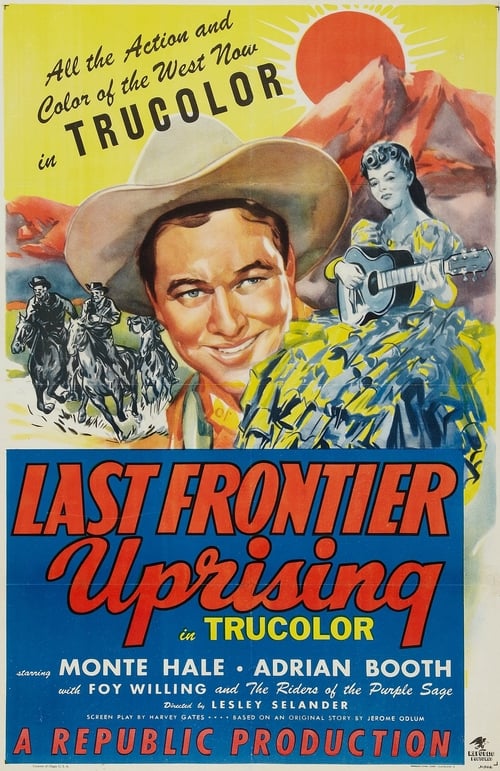
1947
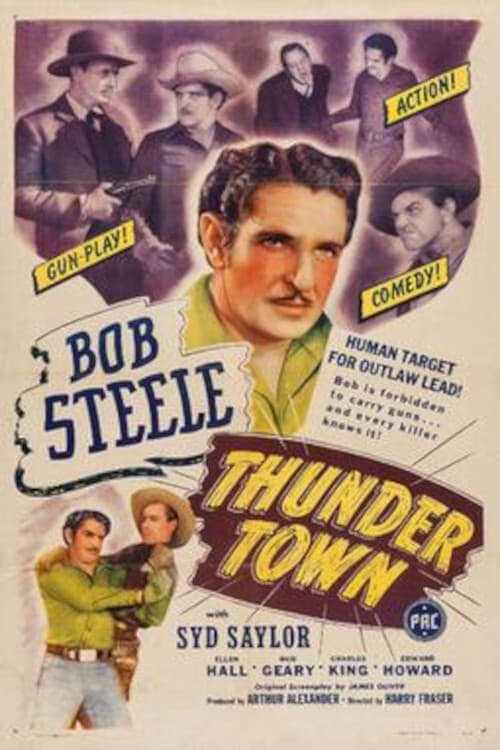
1946
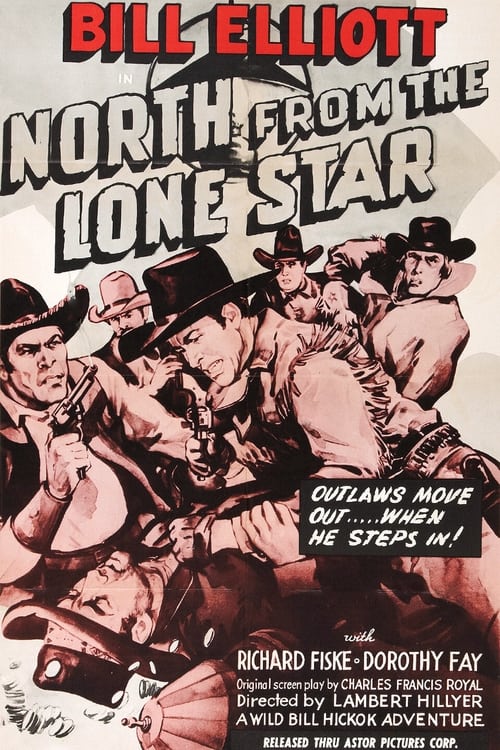
1941
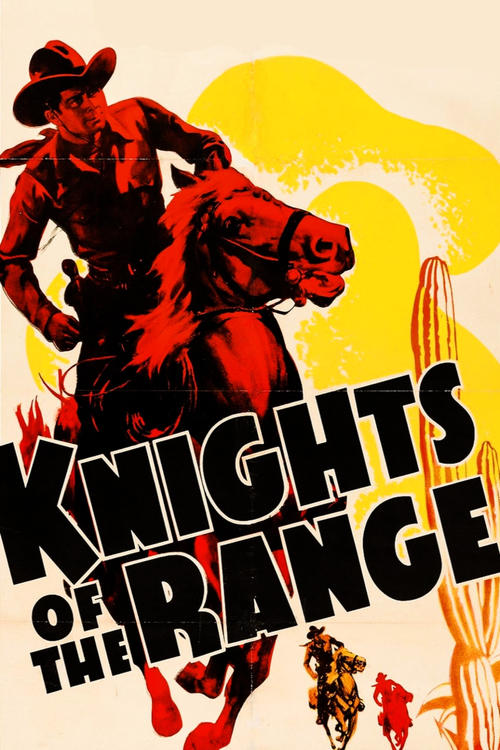
1940
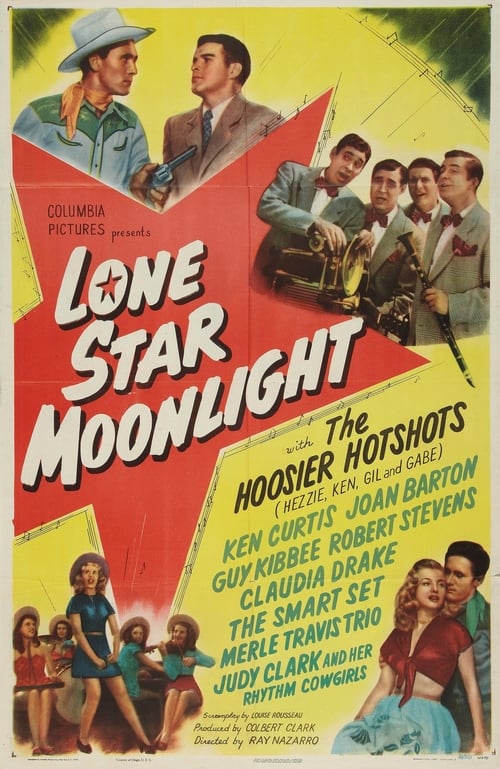
1946
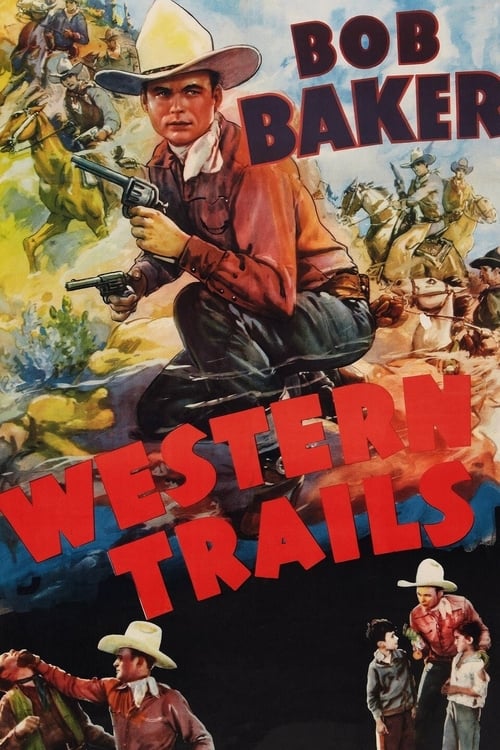
1938
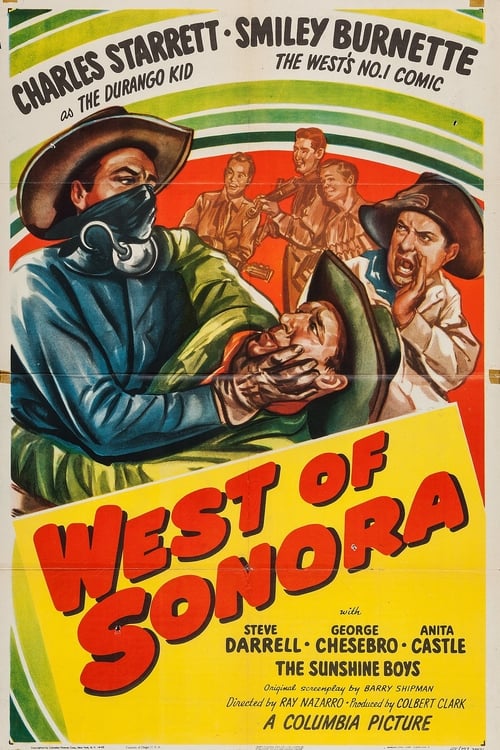
1948
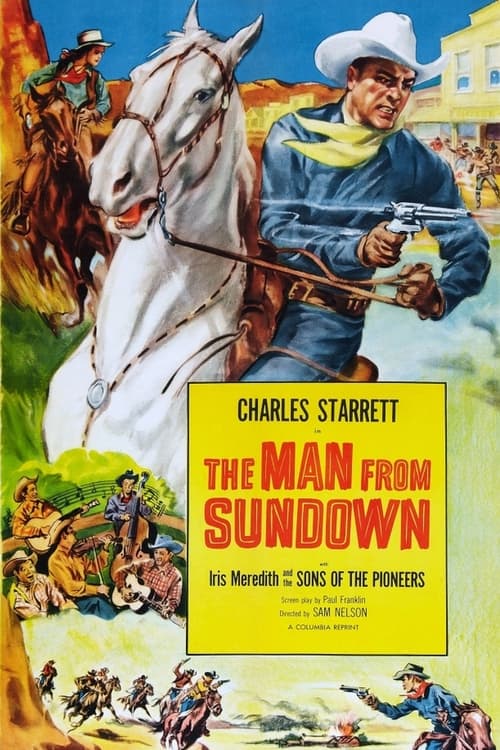
1939
No reviews yet. Be the first to share your thoughts on this movie!
Use the rating form above to leave a star rating and optional review.