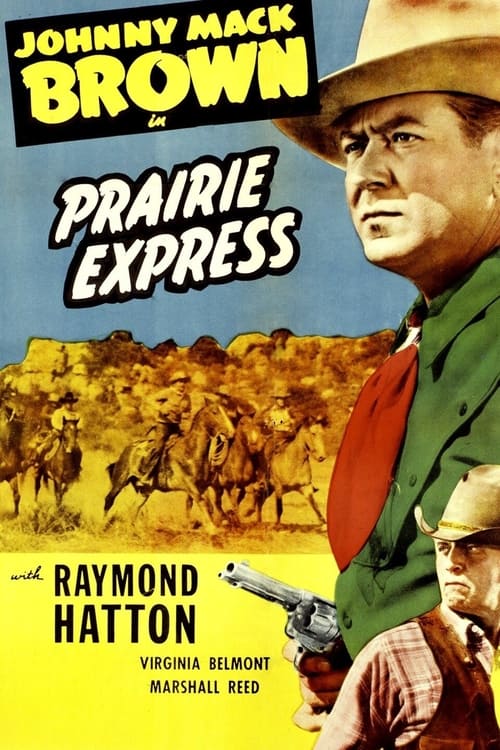
Prairie Express
1947
No user ratings available yet
Representation score: 0.4 out of 10

Representation Score
Minimal
1947
ApprovedDirector
Lambert Hillyer
Runtime
57 minutes
Average Rating
No ratings yetNew Showbiz Analysis
Gun Talk is a quintessential mid-century Western that adheres strictly to established genre clichés. The narrative focuses on frontier justice, property rights, and clear moral dichotomies, offering little in the way of social subversion. The film's structure prioritizes a male-driven hero who secures respect through physical action. This leaves female characters in secondary, reactive roles, reinforcing the period's standard gender hierarchies. Without evidence of diverse casting or non-traditional identities, the film serves as a snapshot of 1940s cinematic norms, emphasizing traditional heroism and conventional social structures.
Category Breakdown
The film does not include any characters with non-traditional gender identities. The story follows a conventional framework typical of 1940s Westerns.
The story relies on a traditional gender hierarchy where the male hero is the main driver of change, while the female character remains largely passive.
The film appears to reflect the era's standard demographic norms. The roles of mine owners and outlaws suggest a homogeneous cast typical of 1947.
The plot reinforces mid-century Western values regarding property and law. It centers on protecting private enterprise and individual heroism.
There is no mention of characters with visible or invisible disabilities in this production.
Present on Screen
Limited or Absent
Official Synopsis
In this western, a hero prevents a stagecoach robbery and wins the respect and confidence of a mine owner and a pretty woman who is going west to see her sister. Two outlaws next try to jump the miner's claim.
1947
1940
1945

1957
1948
1958

1941
1964
No reviews yet. Be the first to share your thoughts on this movie!
Use the rating form above to leave a star rating and optional review.