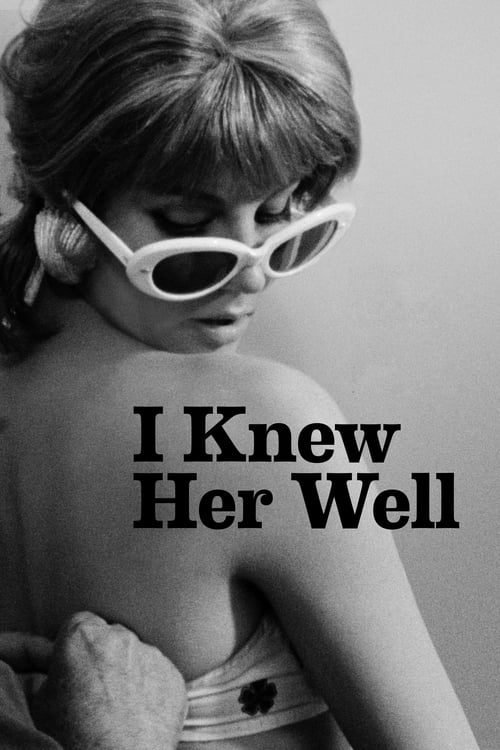
I Knew Her Well
1965
No user ratings available yet
Diversity score: 5.7 out of 10
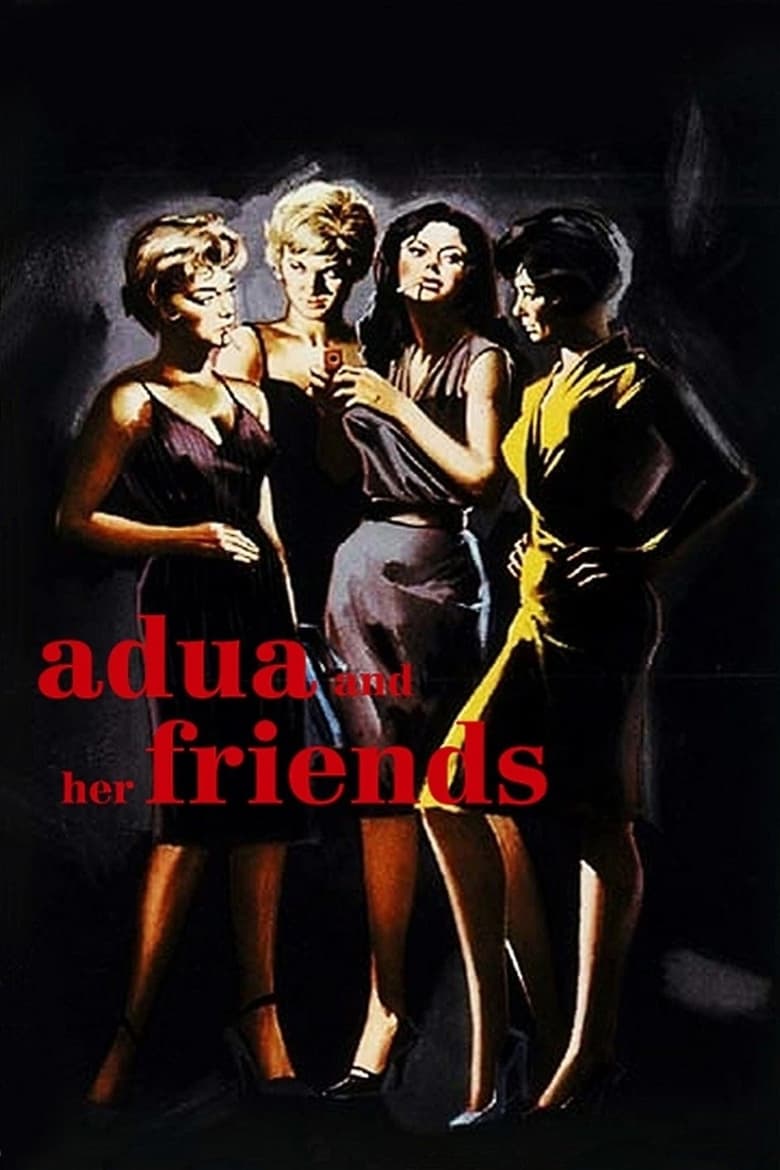
1960
Director
Antonio Pietrangeli
Runtime
125 minutes
Average Rating
No ratings yetSynopsis
When a brothel closes because of new laws, four of the prostitutes decide to go into business running a restaurant. They discover they cannot escape their past.
Overall Score
Fair
Category Breakdown
LGBTQ+ Representation
The film focuses on heterosexual frameworks and conventional romantic pressures. While it lacks explicit queer characters, it critiques the restrictive social mores of 1960s Italy without relying on derogatory tropes.
Gender Representation
Pietrangeli centers the agency and professional ambitions of working-class women. The film passes the Bechdel test, using female dialogue to explore shared lived experiences rather than just reacting to men.
Racial & Ethnic Diversity
The cast reflects the contemporary Italian demographic of 1960s Rome. It lacks intersectional racial diversity but avoids idealized depictions by focusing on the gritty realities of the working class.
Religious & Cultural Diversity
The narrative critiques Italian consumerism and the alienation of modern urban life. It embraces moral relativism, viewing the protagonist's choices through personal survival rather than traditional Christian morality.
Disability Representation
There is no central depiction of physical or neurodivergent disabilities. The story prioritizes the psychological toll of socioeconomic struggle over disability as a narrative device.
Strengths
Areas for Improvement
AI Analysis
Antonio Pietrangeli’s work stands out for its empathetic focus on female subjectivity and the deconstruction of social hierarchies. By centering on women navigating economic shifts, the film provides a sophisticated look at agency and autonomy. However, the film is limited by its historical context, lacking significant racial or LGBTQ+ visibility. It remains a product of its era, reflecting the specific demographic makeup of mid-century Rome. Ultimately, the film's strength lies in its critical stance toward consumerism and its refusal to relegate women to passive roles, making it a meaningful piece of social commentary.
1965
1963
2010
1969

2016
1968

1986

1962
1974
1973

1995
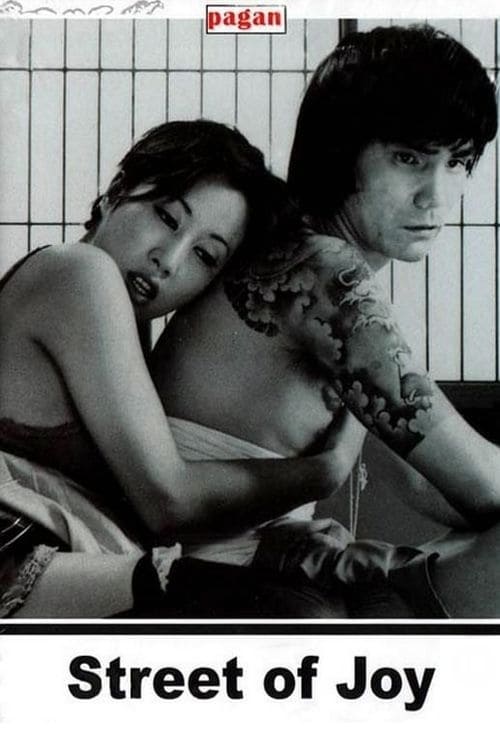
1974
No reviews yet. Be the first to share your thoughts on this movie!
Use the rating form above to leave a star rating and optional review.