
Street of Shame
1956
No user ratings available yet
Representation score: 8.0 out of 10
Representation Score
Excellent
1974
Director
Tatsumi Kumashiro
Runtime
78 minutes
Average Rating
No ratings yetNew Showbiz Analysis
Tatsumi Kumashiro’s direction elevates this work by centering underrepresented voices and deconstructing traditional social structures. The film succeeds as a piece of social realism, framing the lives of sex workers as sites of ability to act rather than moral failings. The narrative's strength lies in its challenge to gender hierarchies and its critique of post-war modernization. By focusing on the human cost of new legislation, it challenges the state's role in social displacement. While the film lacks explicit LGBTQ+ identifiers and multi-ethnic representation, its cultural authenticity and female-driven perspective provide a sophisticated look at a specific Japanese subculture.
Category Breakdown
The film explores intense intimacy and fluid human connections within a underrepresented social stratum. However, it lacks explicit representation of non-assuming gender matches what was assigned at birth or queer identities as primary plot drivers. The atmosphere of social non-conformity provides a backdrop that challenges traditional expectations.
This ensemble-driven narrative disrupts conventional expectations by centering women in positions of ability to act. It challenges traditional hierarchies by focusing on female intellect, camaraderie, and survival strategies. The film effectively deconstructs patriarchal domesticity through its focus on female interpersonal relationships.
The cast is culturally homogeneous, which remains consistent with the film's specific historical and social setting. While it lacks multi-ethnic casting, it provides an authentic, unmediated look at a Japanese subculture without Western-centric clichés.
The film offers a profound critique of systemic structures and state institutions. It frames the dissolution of the sex industry as a force of displacement rather than protection. The narrative validates lived experiences through a lens of moral relativism.
The characters' struggles are primarily socioeconomic and systemic in nature. There is no specific evidence regarding the portrayal of physical or neurodivergent disabilities within the narrative.
Present on Screen
Limited or Absent
Official Synopsis
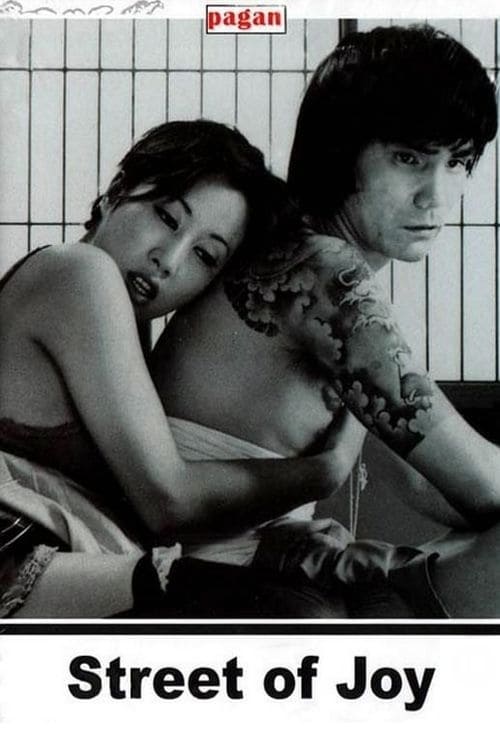
It's the evening before the day all brothels must be shut-down, according to the new law, in 1958. At the Kofukuya's (literally, the house that sells happiness), five prostitutes decide to celebrate the day. Eroticism, drama, and comedy mix as each hour a different event passes, in which all the women's stories come to the surface.
1956

1998

1963

1961

1972

1988

1975

1967
No reviews yet. Be the first to share your thoughts on this movie!
Use the rating form above to leave a star rating and optional review.