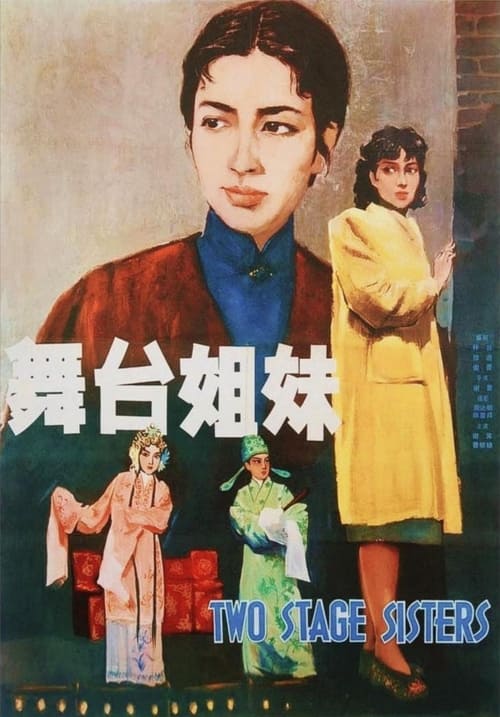
Two Stage Sisters
1964
No user ratings available yet
Representation score: 6.7 out of 10
Representation Score
Good
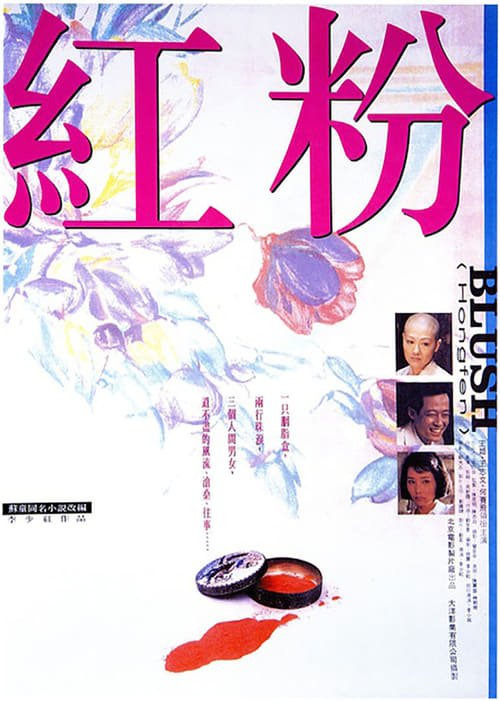
1996
Director
Li Shaohong
Runtime
118 minutes
Average Rating
No ratings yetNew Showbiz Analysis
Blush is a sophisticated study of women's ability to drive the story set against the backdrop of mid-20th-century Chinese social shifts. It excels at prioritizing women's perspectives, moving beyond traditional historical dramas that often sideline female interiority. While the film provides a nuanced look at gender and cultural survival, it remains limited in its scope regarding LGBTQ+ identities and ethnic diversity. The narrative is deeply rooted in a specific Han Chinese milieu and focuses on platonic female intimacy. Ultimately, the film's strength lies in its psychological depth and its ability to deconstruct gender roles through the lens of female subjectivity.
Category Breakdown
The film explores an intense emotional bond between two women who share a sisterly connection. However, it does not explicitly depict non-straight relationships or sexualities.
The narrative centers on female subjectivity and internal desires, challenging patriarchal storytelling. Women act as primary drivers of their own emotional arcs rather than passive observers of history.
Set in a specific historical Chinese context, the cast primarily features Han Chinese actors. The film reflects the demographic reality of its setting without multi-ethnic casting.
The story critiques rigid traditional institutions by focusing on the personal costs of social upheaval. It explores identity through a complex, subjective lens of survival and morality.
There is no prominent or intentional depiction of physical or neurodivergent disabilities. Character struggles are focused on psychological and socioeconomic factors.
Present on Screen
Limited or Absent
Official Synopsis
The film charts the fortunes of two women who loved each other as sisters, but whose paths diverge when the Revolution brings an end to their old way of life in the brothel.
1964

1956

1998

1988

1986

1987
1991

2001
No reviews yet. Be the first to share your thoughts on this movie!
Use the rating form above to leave a star rating and optional review.