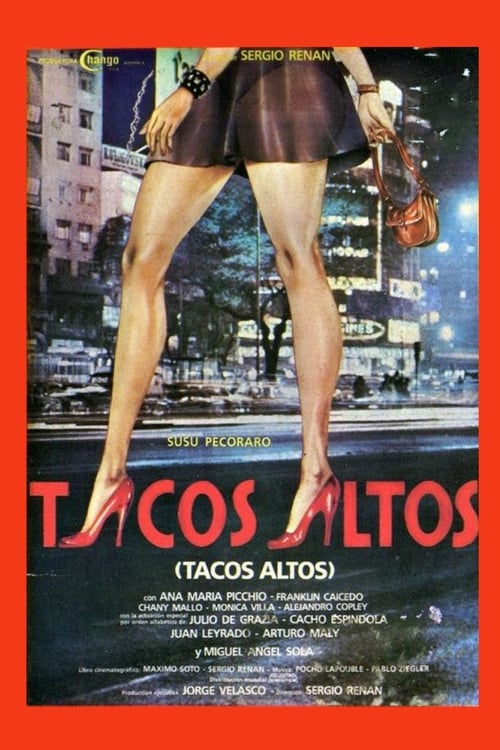
High Heels
1985
No user ratings available yet
Representation score: 5.9 out of 10

Representation Score
Excellent
1986
Director
Paul Vecchiali
Runtime
92 minutes
Average Rating
No ratings yetNew Showbiz Analysis
Paul Vecchiali’s drama succeeds by centering a strong female protagonist who navigates a predatory environment who play a significant role in driving the story. The film's strength lies in its sophisticated critique of capitalist structures and its refusal to adhere to traditional moral binaries. While the narrative excels at deconstructing gender hierarchies and social institutions, it remains limited in its explicit representation of LGBTQ+ identities and racial diversity. The focus stays largely within a specific European urban context. Ultimately, the film offers a nuanced look at survival and emotional intelligence, capturing the lived experiences of those failed by the system.
Category Breakdown
The film focuses on a heterosexual relationship but explores unconventional lifestyles and social bonds that challenge traditional romantic expectations.
Rosa is a strong female protagonist who plays a significant role in driving the story, navigating complex power dynamics with emotional intelligence.
Set in the urban landscape of Les Halles, the film reflects specific Parisian socioeconomic realities. It lacks intentional racial diversity or casting that includes different backgrounds.
The film critiques Western institutions by focusing on those on the margins of capitalism. It treats survival mechanisms as necessary rather than moral failings, prioritizing subjective experience over institutional law.
The story explores the psychological toll of urban isolation and socioeconomic precarity. While it lacks characters with clinical disabilities, it captures the invisible weight of environmental struggle.
Present on Screen
Limited or Absent
Official Synopsis
A radiant young sex worker thrives amidst the clients of Paris’s Les Halles under the protectiveness of her pimp. Her carefully balanced existence unravels when she meets a working‑class man and falls in love, forcing her to confront the emotional and social consequences of pursuing a different path.
1985
1961
1994

1956
1972

1978

2003

1980
No reviews yet. Be the first to share your thoughts on this movie!
Use the rating form above to leave a star rating and optional review.