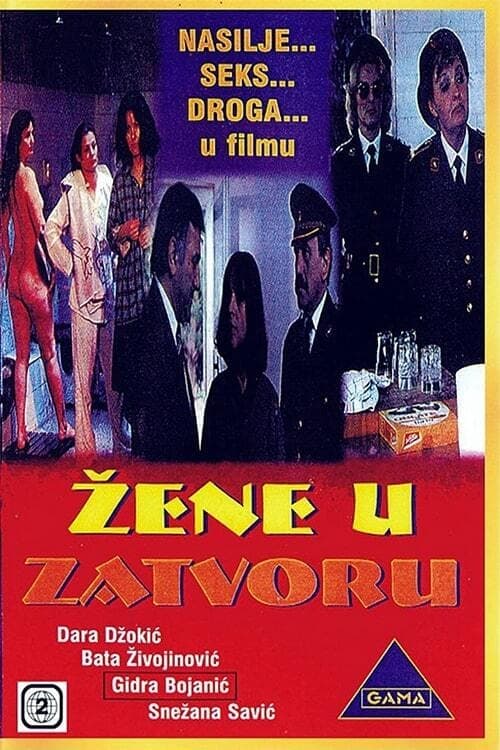
Women in Prison
1985
No user ratings available yet
Representation score: 7.8 out of 10

Representation Score
Excellent
1974
Not RatedDirector
Brunello Rondi
Runtime
87 minutes
Average Rating
No ratings yetNew Showbiz Analysis
Riot in a Women's Prison elevates the exploitation genre by emphasizing female solidarity and critiquing institutional power. It subverts traditional patriarchal structures by highlighting a collective of women fighting for dignity against a corrupt state. However, the film's impact is constrained by a lack of racial diversity. The cast remains predominantly European, limiting the scope of the social critique. Ultimately, the film's strength lies in its deconstruction of institutional authority, transforming a typical prison drama into a psychological exploration of systemic oppression.
Category Breakdown
The film delves into LGBTQ dynamics through intense emotional and physical connections, which play key roles in character bonding and creating tension within the prison setting.
The movie centers on a group of women, giving them significant roles in driving the plot. It highlights their solidarity and intelligence, challenging stereotypes that sideline women.
The cast is predominantly made up of European actresses, lacking significant diversity in race. The film focuses more on socioeconomic and gender issues rather than broader multi-layered themes.
The film critiques Western institutions and state authority, presenting organized resistance as a justified response to corruption and oppression.
The film does not center on specific disabilities but uses the prison environment to symbolize social disenfranchisement, marginalizing characters through systemic oppression.
Present on Screen
Limited or Absent
Official Synopsis
This film traces the prison life of a group of women who-rather than being prepared to reenter society-are brought to the limits of depravity. Martine, wrongly imprisoned will bear the scars of a prison system wrongly based on punishment rather than rehabilitation.
1985
1972
1950
1961
1959
1970
2002

1979
No reviews yet. Be the first to share your thoughts on this movie!
Use the rating form above to leave a star rating and optional review.