The Girl
1968
No user ratings available yet
Diversity score: 5.1 out of 10

1969
Director
Márta Mészáros
Runtime
81 minutes
Average Rating
No ratings yetSynopsis
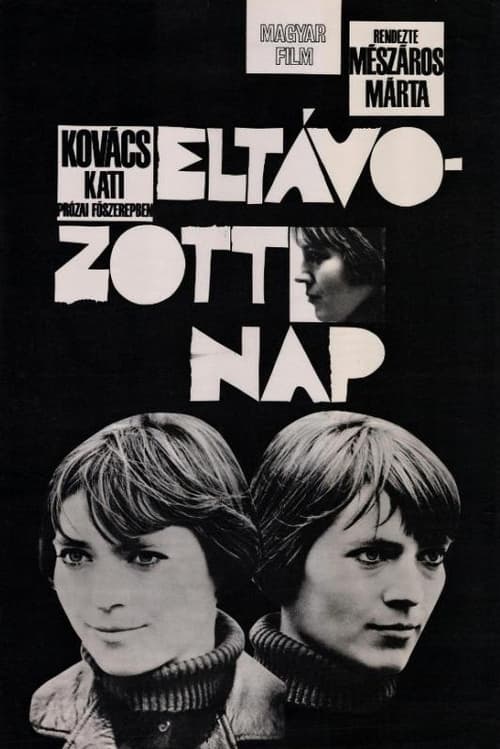
Edit, who became the wife of a politician out of a simple peasant girl, suddenly becomes a widow as a result of an accident. She never loved her husband. She lives a wealthy and lonely life amidst false friends, facing one of the last alternatives of her life, i.e. having to face her past in the hope of an independent new beginning.
Overall Score
Fair
Category Breakdown
LGBTQ+ Representation
The film lacks explicit LGBTQ+ identities or non-heteronormative romantic structures. The narrative focuses on the protagonist's disillusionment with her marriage to a politician.
Gender Representation
Mészáros subverts traditional hierarchies by granting the protagonist profound agency. Her internal rebellion and refusal to find fulfillment in a marriage of convenience challenge expectations of submissive femininity.
Racial & Ethnic Diversity
The cast is predominantly homogeneous, reflecting its Hungarian New Wave context. There is no evidence of intentional racial blending within this specific social and class setting.
Religious & Cultural Diversity
The film critiques social climbing and the emptiness of political prestige. It prioritizes personal liberation and the search for truth over institutional loyalty or traditional family stability.
Disability Representation
There are no prominent depictions of physical or neurodivergent disabilities. The story focuses on the psychological and interpersonal dimensions of the protagonist's journey.
Strengths
Areas for Improvement
AI Analysis
Binding Sentiments is a powerful study of female subjectivity that disrupts 1960s cinematic hierarchies. By centering the protagonist's internal psychological landscape, the film prioritizes her search for autonomy over domestic stability. While the film is limited by the historical context of its era—specifically regarding racial and LGBTQ+ representation—it excels in its deconstruction of social norms. It effectively uses the protagonist's loneliness to critique the emptiness of political prestige. Ultimately, the film's strength lies in its subversion of gendered power dynamics. It replaces the trope of the passive wife with a woman driven by emotional resilience and a desire for an independent beginning.
1968

1987
1984

1975

1973

1976
1992
1960
1977

1967
1967

2008
No reviews yet. Be the first to share your thoughts on this movie!
Use the rating form above to leave a star rating and optional review.