Guinguette
1959
No user ratings available yet
Representation score: 3.1 out of 10
Representation Score
Fair
1963
Director
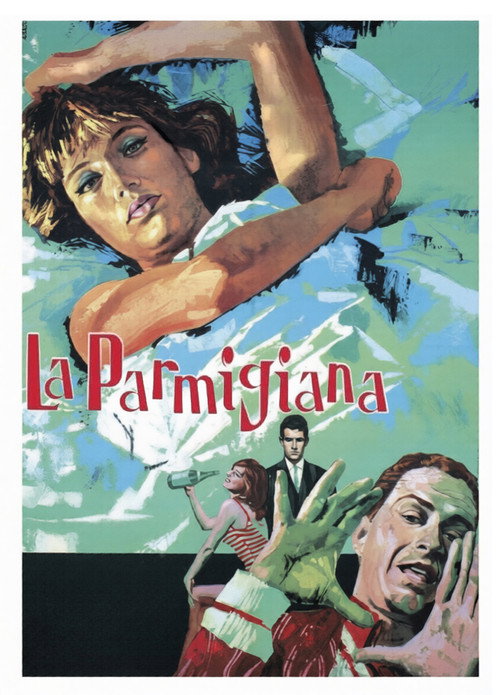
Antonio Pietrangeli
Runtime
111 minutes
Average Rating
No ratings yetNew Showbiz Analysis
Antonio Pietrangeli’s direction highlights the female perspective within strict social structures. By avoiding the passive female clichés of the time, the film provides a nuanced look at personal ability to act. Claudia Cardinale's casting adds a layer of diversity, breaking from the uniform casting practices of the 1960s. Combined with a critical stance on consumerism, the film gains intellectual depth. However, the film remains confined to traditional heterosexual relationships. It lacks representation for LGBTQ+ identities or disability narratives.
Category Breakdown
The story focuses on heterosexual romantic relationships between a small-time crook and a police officer. There is no indication of LGBTQ+ identities or critiques of straight relationships.
The film challenges traditional gender roles by emphasizing Dora's independence and psychological complexity. It presents the female experience through individual empowerment rather than domestic duties.
Casting Claudia Cardinale, who is of Italian-Tunisian heritage, adds layers of diversity. Her role introduces a non-uniform visual element to the lead character in 1960s Italian cinema.
The narrative offers a critical view of emerging consumerism and urban superficiality. It portrays the materialistic environment of Rome as a source of disappointment rather than aspiration.
There is no significant depiction of physical or neurodevelopmental disabilities in the film.
Present on Screen
Limited or Absent
Official Synopsis
Dora, driven away from her town by malicious gossip following her first love affair, has a series of short-lived adventures until she falls in love with Nino, a small time crook. In Parma, a police officer courts her but she keeps thinking of Nino.
1959
1950
1963

1957

1976
1953

1957

1960
No reviews yet. Be the first to share your thoughts on this movie!
Use the rating form above to leave a star rating and optional review.