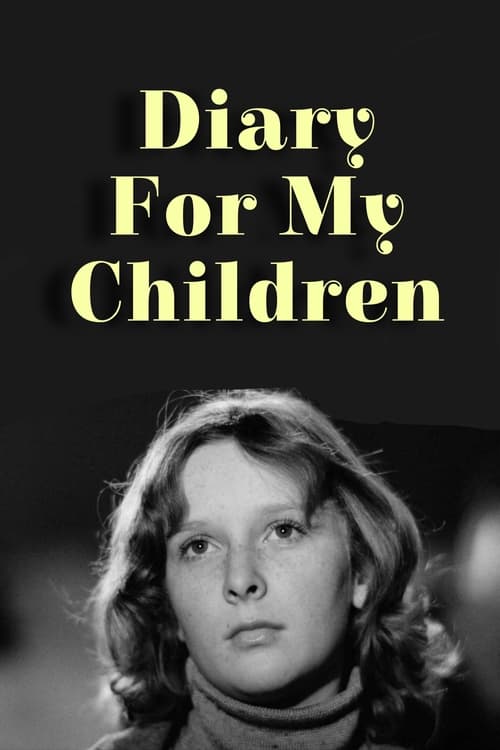
Diary for My Children
1984
No user ratings available yet
Representation score: 7.8 out of 10
Representation Score
Good
1968
Director
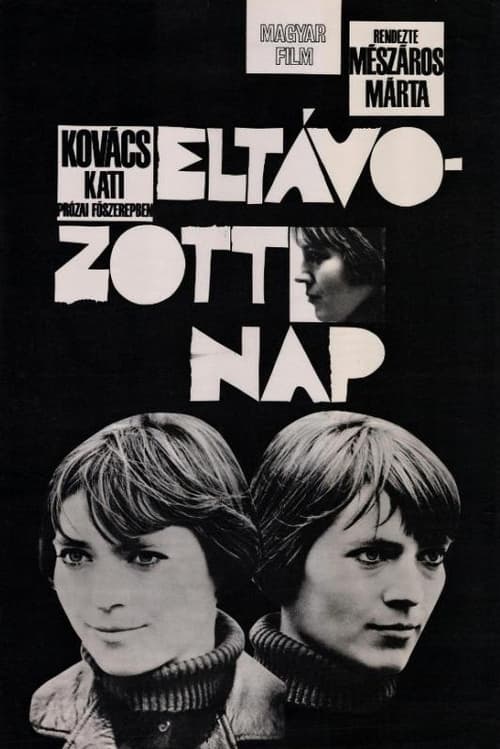
Márta Mészáros
Runtime
81 minutes
Average Rating
No ratings yetNew Showbiz Analysis
The Girl stands out as a pioneering work in feminist cinema, emphasizing female subjectivity and ability to act. By adopting a female perspective, the film dismantles traditional gender roles and exposes the subtle exploitation of women in urban settings. However, the film is constrained by its limited demographic focus. Its homogeneous cast and absence of LGBTQ+ representation reflect the historical and geographic limitations of 1960s Hungary. Ultimately, the film's strength lies in its psychological depth and its challenge to systemic social repression, despite the lack of broad diversity.
Category Breakdown
The film does not include explicit LGBTQ+ characters or romantic arcs centered around queer relationships. Queer identity is not a main theme in the storyline.
The movie emphasizes the female perspective and the actions of female characters rather than focusing on male-driven narratives. The protagonist actively shapes her environment instead of being a passive participant.
Set in 1960s Hungary, the film has a largely homogeneous cast with no significant racial or ethnic diversity.
The film provides a sophisticated look at institutional authority and social conformity. It portrays the protagonist's quest for identity as a rebellion against emotional repression.
The film does not depict any significant or intentional portrayal of physical or neurodivergent disabilities. Characters are shown within a typical social context without disabilities playing a key role in the narrative.
Present on Screen
Limited or Absent
Official Synopsis
On receiving a letter from her mother, a quiet working-class girl leaves the state orphanage in Budapest where she grew up and takes a trip to the rural countryside to visit her.
1984

2000

1973
1967

1987
1970

1975
1969
No reviews yet. Be the first to share your thoughts on this movie!
Use the rating form above to leave a star rating and optional review.