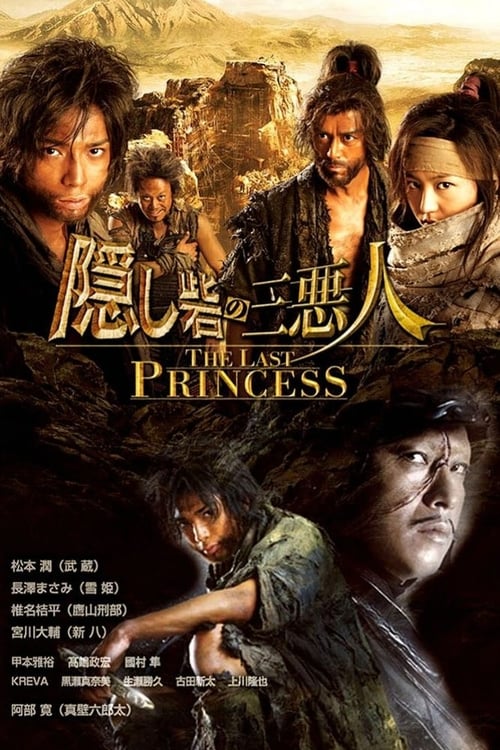
The Last Princess
2008
No user ratings available yet
Representation score: 3.3 out of 10

Representation Score
Good
2016
Not RatedDirector
Hur Jin-ho
Runtime
126 minutes
Average Rating
No ratings yetNew Showbiz Analysis
The film excels in its portrayal of ethnic identity and the trauma of colonial rule. By focusing on the Korean experience under Japanese rule, it offers a nuanced perspective on the struggle for sovereignty and cultural preservation. The narrative also provides a strong critique of systemic oppression through the lens of gender and mental health. Deokhye’s fight for self-determination highlights the restrictive nature of both imperial and traditional patriarchal structures. However, the film lacks representation for LGBTQ+ identities. While it explores historical and psychological themes deeply, it remains within the traditional romantic and gendered frameworks of its time.
Category Breakdown
The film does not include any LGBTQ+ characters or explore non-straight relationships. The romance revolves around the traditional bond between Princess Deokhye and her childhood sweetheart, Jang-han.
Princess Deokhye's journey focuses on reclaiming her role within patriarchal and imperial systems. The story highlights the limited autonomy women had under Joseon and Japanese rule.
The film delves into ethnic identity and the impact of colonial rule. It features a cast that reflects the Korean historical context, examining the loss of cultural identity during occupation.
The narrative addresses anti-imperialist themes and the breakdown of traditional institutions. It emphasizes the preservation of national identity over assimilation into the dominant imperial culture.
Deokhye’s psychological distress and depression are shown as direct results of displacement. Her mental health is integrated into her broader struggle for autonomy rather than used as a plot device.
Present on Screen
Limited or Absent
Official Synopsis
Under the oppressive Japanese colonial rule, Deok-hye, the last Princess of the declining Joseon Dynasty, is forced to move to Japan. She spends her days missing home, while struggling to maintain dignity as a princess. After a series of failed tries, Deok-hye makes her final attempt to return home with help of her childhood sweetheart, Jang-han.
2008

2020

2011
2017

2017
1987

2013

2024
No reviews yet. Be the first to share your thoughts on this movie!
Use the rating form above to leave a star rating and optional review.