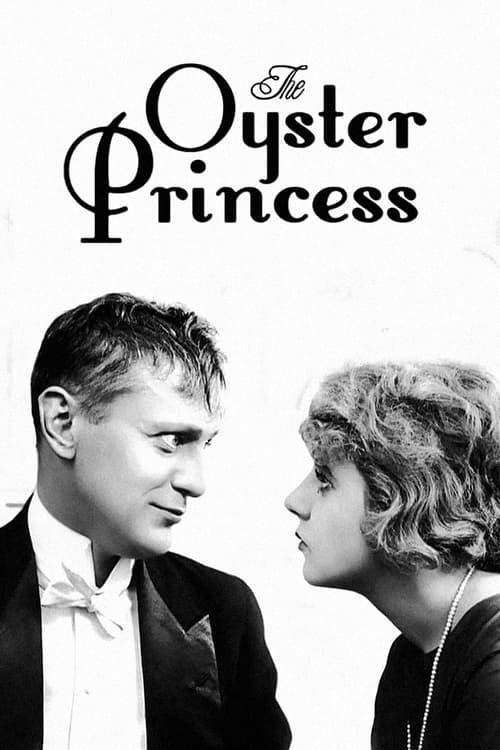
The Oyster Princess
1919
No user ratings available yet
Diversity score: 3.9 out of 10
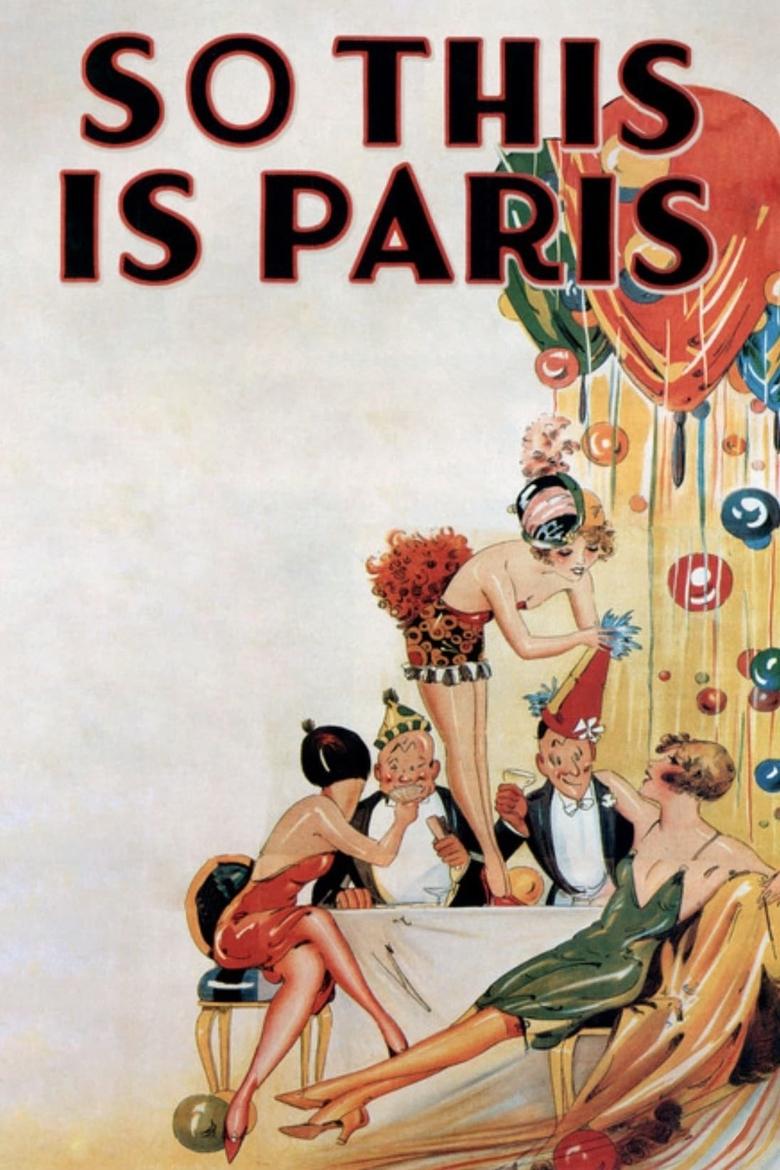
1926
NRDirector
Ernst Lubitsch
Runtime
67 minutes
Average Rating
No ratings yetSynopsis
Paul and Suzanne Giraud are happily married and living in a quiet neighborhood. When Suzanne notices that their new neighbors are expressive dancers in revealing outfits, she demands Paul speak to them about their lack of morality. Paul discovers that the woman is Georgette Lalle, an old flame.
Overall Score
Limited
Category Breakdown
LGBTQ+ Representation
The film follows a traditional romantic structure centered on a married couple and a former flame. It operates within the heteronormative social frameworks of 1920s Parisian high society.
Gender Representation
Suzanne demonstrates agency by challenging the moral standards of her neighbors. However, the narrative remains rooted in romantic tension between male and female leads without systemic disruption of patriarchal structures.
Racial & Ethnic Diversity
The film depicts a homogeneous, upper-class Parisian social scene. There is no evidence of non-white casting or the use of non-human species as metaphors for diversity.
Religious & Cultural Diversity
The story satirizes social propriety and class distinctions through the 'Lubitsch Touch.' It treats the protagonist's demands for morality with comedic skepticism rather than absolute truth.
Disability Representation
There is no evidence regarding the inclusion of characters with physical or neurodivergent disabilities.
Strengths
Areas for Improvement
AI Analysis
Ernst Lubitsch’s comedy relies on subtle innuendo to undermine social pretension. While the film lacks demographic breadth, it uses wit to navigate complex interpersonal power dynamics and social hierarchies. The narrative is largely conventional, focusing on Western European elites within a period-specific social comedy. It lacks intersectional complexity, reflecting the era's standard of depicting homogeneous upper-class circles. Ultimately, the film's strength lies in its subtextual critique of moral rigidity. It uses comedic skepticism to deconstruct the very institutions, such as marriage and social etiquette, that its characters inhabit.
1919

1929
1954
1956

1932
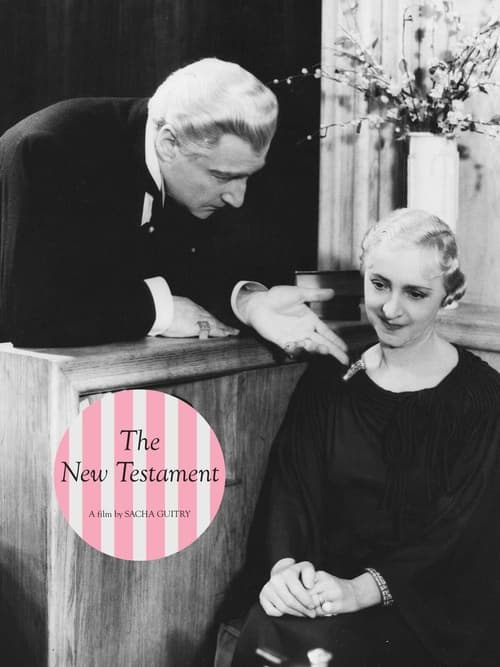
1936

1934
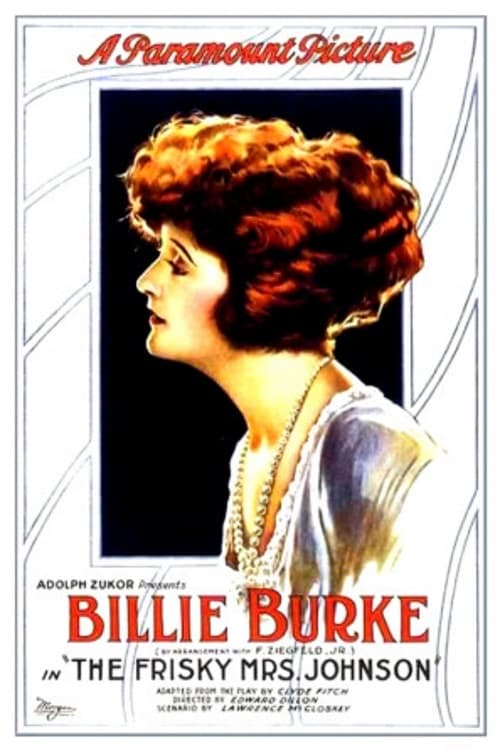
1920
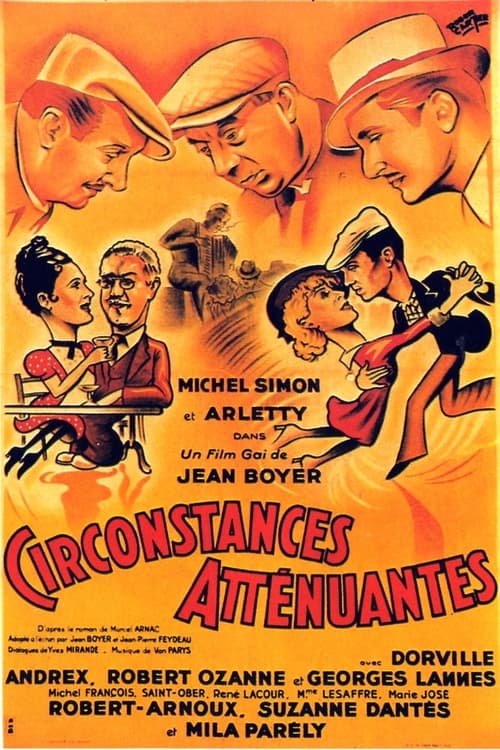
1939
1929
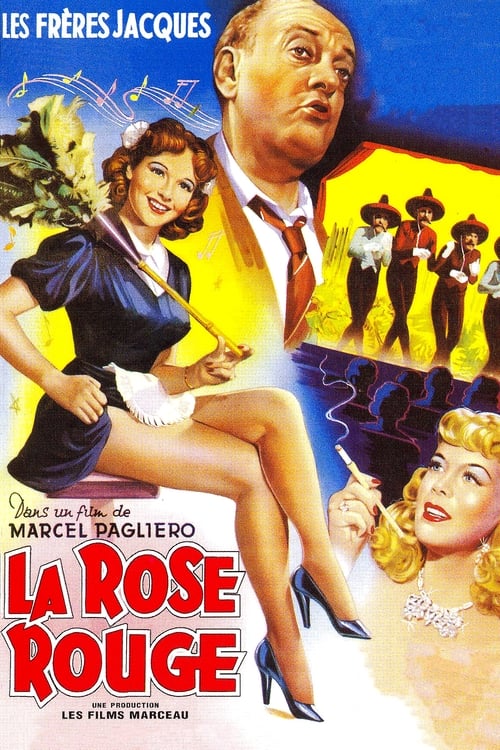
1951

1950
No reviews yet. Be the first to share your thoughts on this movie!
Use the rating form above to leave a star rating and optional review.