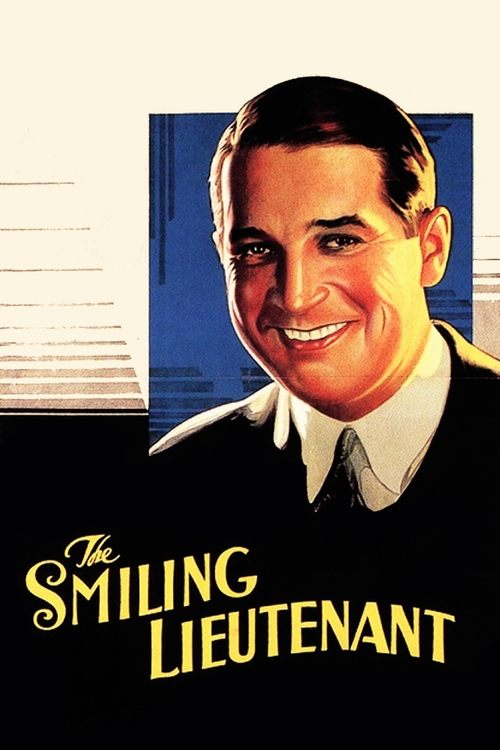
The Smiling Lieutenant
1931
No user ratings available yet
Representation score: 0.4 out of 10
Representation Score
Limited
1929
PassedDirector
Ernst Lubitsch
Runtime
107 minutes
Average Rating
No ratings yetNew Showbiz Analysis
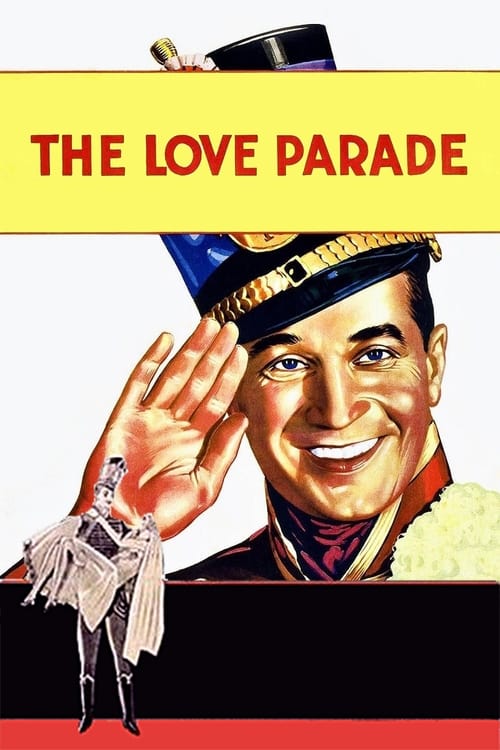
The Love Parade provides a sophisticated look at social maneuvering, especially through its depiction of women's ability to drive the story. The protagonist navigates romantic complications with wit and social intelligence, avoiding the passive roles common in early cinema. However, the film remains rooted in the demographic norms of the 1920s, focusing almost exclusively on a homogeneous, Western high-society elite. This limits the film's representation of diverse backgrounds. While it lacks LGBTQ+ or racial diversity, it offers a more secular, less moralistic view of human transgression compared to many of its contemporaries.
Category Breakdown
The film follows the traditional romantic structures of the late 1920s and does not include any non-traditional gender identities or same-sex relationships.
The female lead plays a significant role in driving the story, challenging the era's more submissive female archetypes by using wit and social intelligence.
The cast is predominantly white and reflects the high-society demographics of the 1920s. There are no characters from diverse racial backgrounds or who play a significant role in driving the story.
The film treats infidelity and deception with wit and humor, offering a secular and nuanced approach to human behavior.
The film does not focus on characters with physical or neurodivergent disabilities.
Present on Screen
Limited or Absent
Official Synopsis
The queen of mythical Sylvania marries a courtier, who finds his new life unsatisfying
1931
1938
1932
1937
1932

1952
1924
1934
No reviews yet. Be the first to share your thoughts on this movie!
Use the rating form above to leave a star rating and optional review.