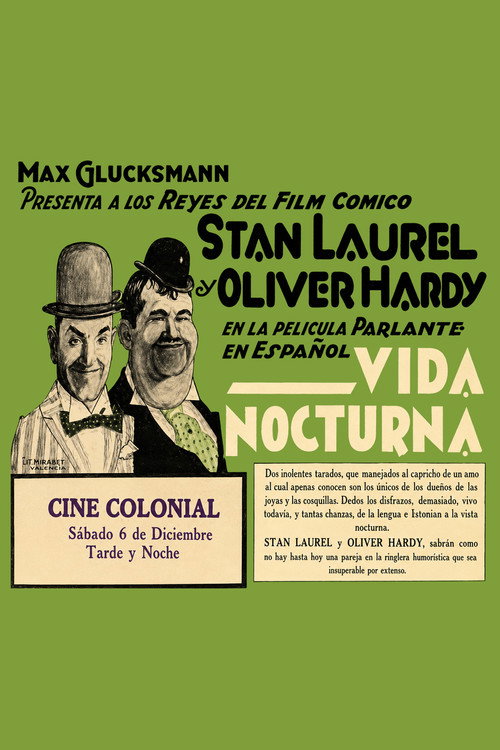
The Night Life
1930
No user ratings available yet
Diversity score: 1.8 out of 10
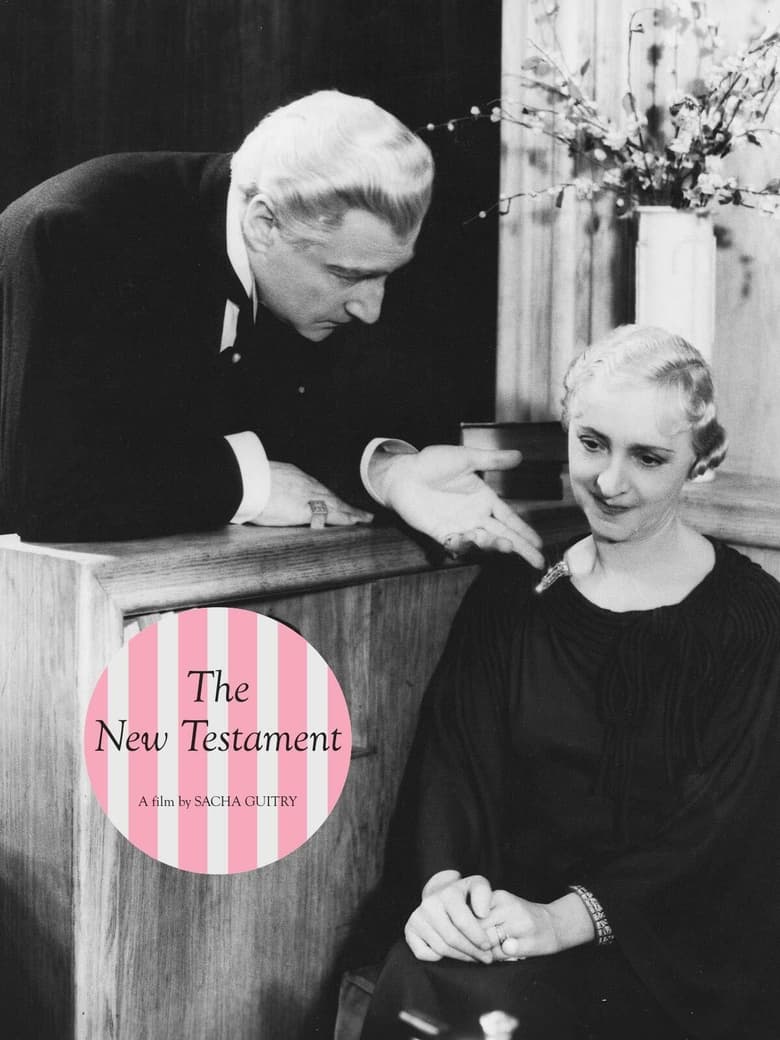
1936
Not RatedDirector
Sacha Guitry
Runtime
96 minutes
Average Rating
No ratings yetSynopsis
Husbands and wives, lovers and gigolos, all break a sweat when Dr. Marcelin’s newly-revised last will and testament is prematurely exposed.
Overall Score
Limited
Category Breakdown
LGBTQ+ Representation
The film focuses on heterosexual romantic entanglements and power dynamics between spouses. There is no evidence of non-cisnormative identities or narratives that critique heteronormativity.
Gender Representation
Women are presented as sophisticated and witty rather than submissive. They possess significant verbal agency and intellectual parity during romantic negotiations.
Racial & Ethnic Diversity
The production features a homogeneous bourgeois cast reflecting 1930s French social constraints. There is no evidence of racial blending or non-Eurocentric perspectives.
Religious & Cultural Diversity
The title uses a secular metaphor for moral relativism rather than a theological study. The narrative operates within existing Western social institutions.
Disability Representation
There is no discernible representation of physical, sensory, or neurodivergent identities. Characters are defined by social status and romantic capability.
Strengths
Areas for Improvement
AI Analysis
Sacha Guitry’s comedy is a product of its era, prioritizing linguistic wit and bourgeois theatrical traditions. While it avoids the trope of the passive female by granting women intellectual agency, it remains deeply rooted in the social hierarchies of 1930s France. The film lacks intersectional depth, offering almost no representation of racial diversity, LGBTQ+ identities, or disability. It functions as a culturally specific piece of Eurocentric social comedy. Ultimately, the work excels in character-driven verbal sparring but fails to engage with any demographic groups outside of a narrow, traditional social milieu.
1930

1969

1973
1929

1982
1956
1941
1928
1973
1939
1943
1935
No reviews yet. Be the first to share your thoughts on this movie!
Use the rating form above to leave a star rating and optional review.