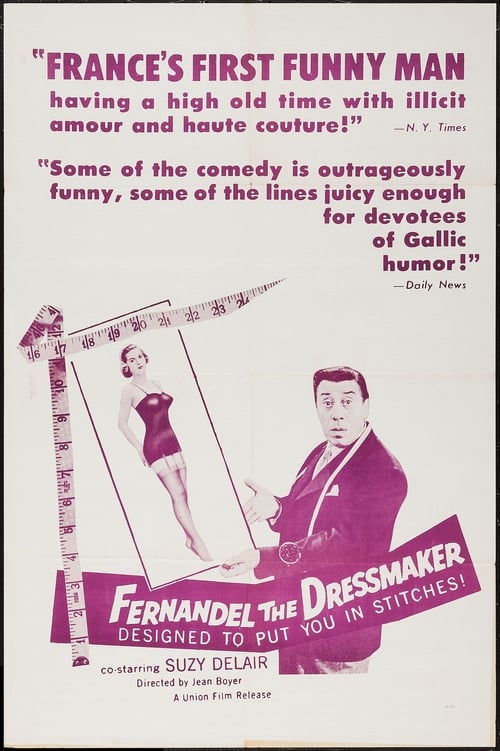
Fernandel the Dressmaker
1956
No user ratings available yet
Diversity score: 4.3 out of 10
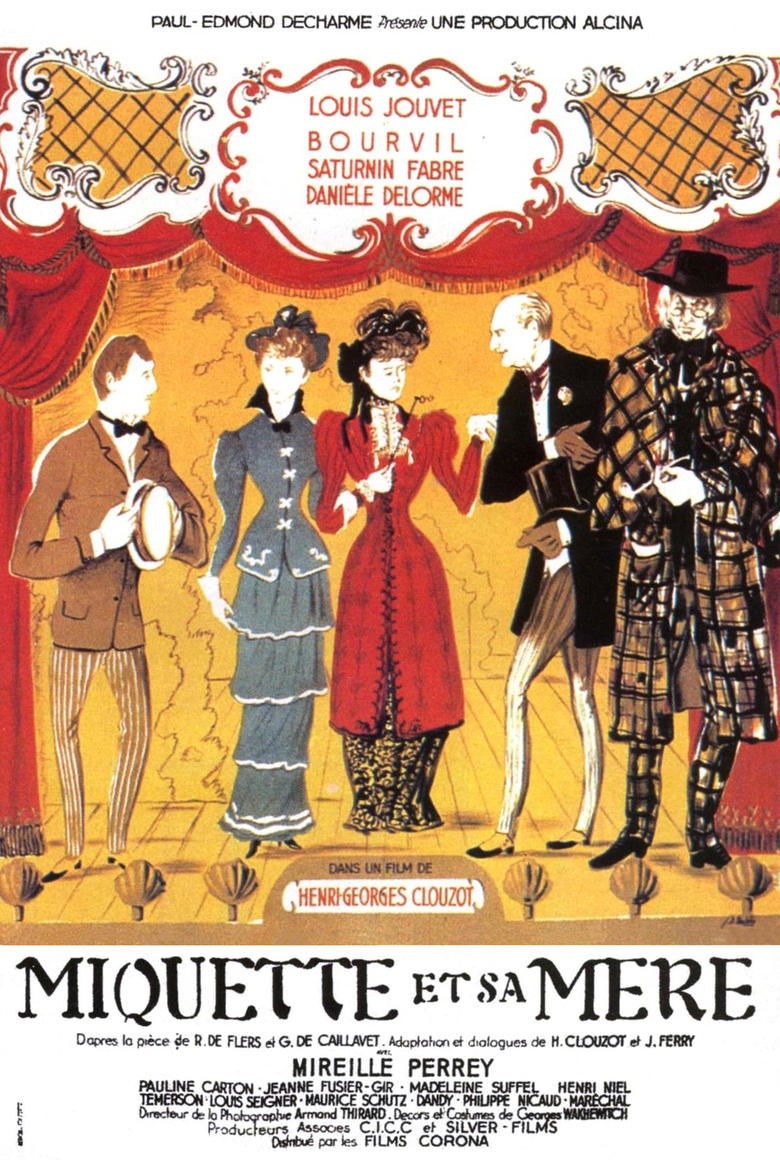
1950
Director
Henri-Georges Clouzot
Runtime
95 minutes
Average Rating
No ratings yetSynopsis
A provincial ingenue leaves her mother’s tobacco shop with dreams of a life in the Parisian theater, only to become entangled in relationships with a lecherous aristocrat, his starry-eyed nephew, and an old ham actor.
Overall Score
Fair
Category Breakdown
LGBTQ+ Representation
The story focuses on a web of heterosexual romantic entanglements. There is no evidence of queer narratives or non-cisnormative identities within the plot.
Gender Representation
A female protagonist navigates a male-dominated social landscape. Her presence may serve to highlight the moral failings or absurdity of the men around her.
Racial & Ethnic Diversity
The film reflects the homogeneous demographic norms of 1950s French cinema. There is no evidence of intentional racial blending in the cast.
Religious & Cultural Diversity
The narrative explores the friction between provincial life and Parisian decadence. It critiques class hierarchies by depicting an aristocrat as lecherous.
Disability Representation
The film provides no information regarding the portrayal of physical or neurodivergent characters.
Strengths
Areas for Improvement
AI Analysis
Miquette et sa mère operates as a traditional social comedy rooted in mid-century European cinematic conventions. While it offers a potential critique of class through its character archetypes, it lacks intersectional complexity. The film centers on a female protagonist navigating a male-dominated world, yet the narrative remains largely confined to conventional romantic frameworks. It lacks the demographic breadth necessary for a more progressive score. Ultimately, the work functions as a study of social mobility and provincial-versus-urban friction rather than a vehicle for diverse representation.
1956
1962
1951

1976

1962
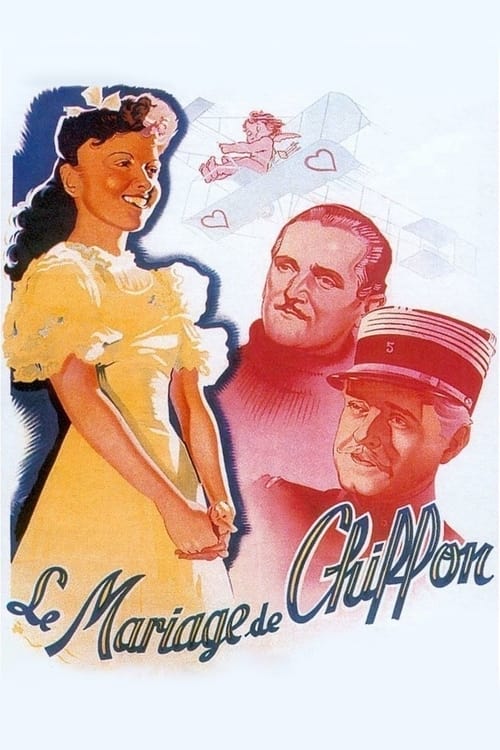
1942

1997

1970

2015
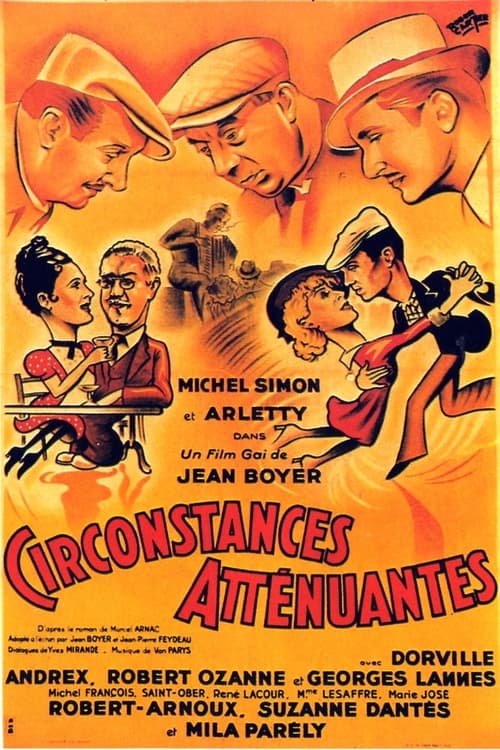
1939
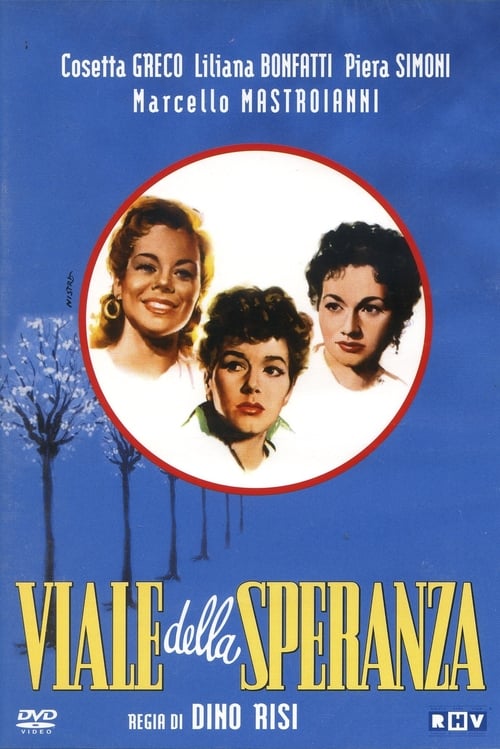
1953

1953
No reviews yet. Be the first to share your thoughts on this movie!
Use the rating form above to leave a star rating and optional review.