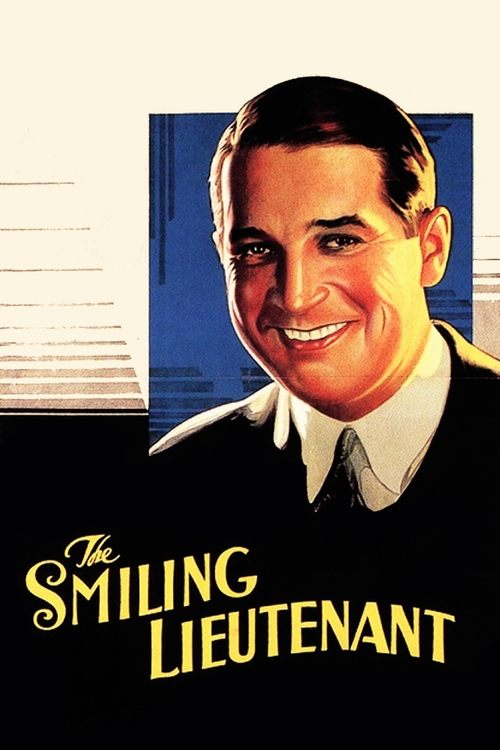
The Smiling Lieutenant
1931
No user ratings available yet
Representation score: 0.4 out of 10
Representation Score
Limited
1932
NRDirector
Ernst Lubitsch
Runtime
80 minutes
Average Rating
No ratings yetNew Showbiz Analysis
Ernst Lubitsch’s direction uses wit to navigate complex social and sexual dynamics, often prioritizing individual desire over institutional dogma. The film succeeds in subverting gendered power structures, presenting women as active participants in their own romantic lives rather than passive figures. However, the work remains deeply rooted in the demographic homogeneity of its era. The lack of racial and LGBTQ+ diversity significantly limits the film's inclusive scope, keeping the narrative centered on a narrow, aristocratic European perspective. Ultimately, the film's strength lies in its moral relativism. By framing social transgressions as sources of wit rather than systemic failures, it disrupts the traditional moralizing lens common in early cinema.
Category Breakdown
The film focuses solely on heterosexual relationships and does not include any same-sex intimacy or non-binary gender identities.
Female characters play a significant role in driving the story by pursuing their own romantic interests. The plot challenges traditional gender hierarchies by favoring mutual forgiveness over patriarchal punishment for infidelity.
The cast is a homogeneous, white, upper-class group set within a 19th-century European aristocratic context. The film lacks any multi-layered racial representation.
The narrative treats marriage and social contracts with comedic lightness rather than moral absolutism. It prioritizes individual passion and situational ethics over rigid religious or social dogma.
No visible or invisible disabilities are portrayed as central to the character arcs or the progression of the plot.
Present on Screen
Limited or Absent
Official Synopsis
Andre and Colette Bertier are happily married. When Colette introduces her husband to her flirtatious best friend, Mitzi, he does his best to resist her advances. But she is persistent, and very cute, and he succumbs. Mitzi's husband wants to divorce her, and has been having her tailed. Andre gets caught, and must confess to his wife. But Colette has had problems resisting the attentions of another man herself, and they forgive each other.
1931
1948
1924
1938
1929
1937

1936
1939
No reviews yet. Be the first to share your thoughts on this movie!
Use the rating form above to leave a star rating and optional review.