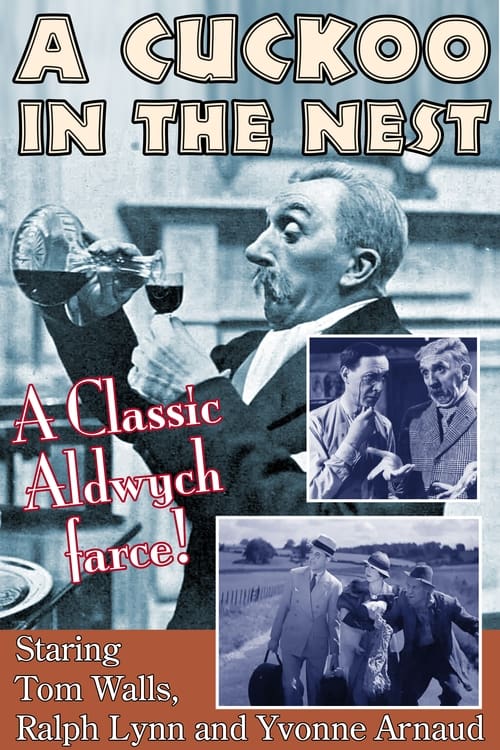
A Cuckoo in the Nest
1933
No user ratings available yet
Representation score: 1.1 out of 10
No Poster Available
Representation Score
Limited
1929
PassedDirector
Harry Lachman
Runtime
86 minutes
Average Rating
No ratings yetNew Showbiz Analysis
Week-End Wives moderately explores social and romantic non-conformity for the late silent era. By focusing on infidelity and overlapping lives of characters in a hotel, the film challenges traditional marriage sanctity. However, it lacks depth in reflecting multiple aspects of identity. While it moves away from strict moral codes, it remains within traditional Western social structures and homogeneous casting patterns typical of its time.
Category Breakdown
The film examines infidelity and complicated romantic relationships that challenge traditional domestic ideals. However, there is no explicit depiction of LGBTQ+ identities or non-traditional gender expressions.
The plot focuses on women taking charge in complex social settings. It challenges traditional hierarchies by emphasizing female-driven social dynamics rather than stable domestic scenarios.
The production likely followed the homogeneous demographic standards of 1929 British cinema. There is no indication of a non-Anglo-Saxon majority cast.
The narrative delves into situational morality and questions the ideal concept of marriage. It leans towards moral relativism but does not significantly critique institutions or anti-Western viewpoints.
There is no mention of characters with visible or invisible disabilities in the available records.
Present on Screen
Limited or Absent
Official Synopsis
A lawyer spends the weekend with a married actress at the same hotel as his wife and her lover. This British silent film exists in an abridged 2-reel (32-min) format.
1933
1948
1929
1938
1928
1934

1913
1934
No reviews yet. Be the first to share your thoughts on this movie!
Use the rating form above to leave a star rating and optional review.