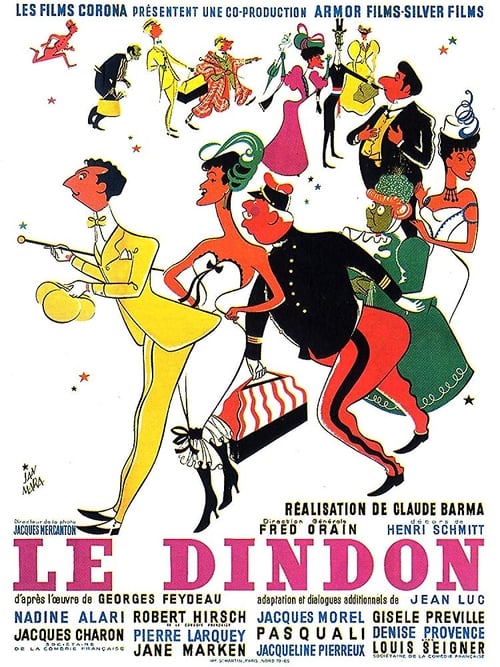
The Turkey
1951
No user ratings available yet
Representation score: 1.4 out of 10
Representation Score
Minimal
1954
ApprovedDirector
Alfred Rode
Runtime
101 minutes
Average Rating
No ratings yetNew Showbiz Analysis
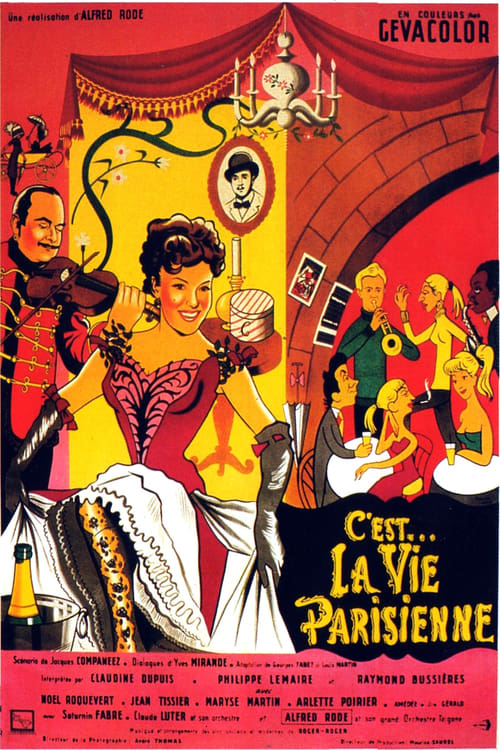
This period comedy functions as a standard romantic narrative that reinforces mid-20th-century social structures. It relies heavily on classical clichés, specifically the importance of class lineage and patriarchal authority to resolve familial conflicts. The film offers very little disruption to the status quo. By centering the plot on aristocratic stability and traditional romantic arcs, it maintains a narrow focus on Western European social hierarchies. Ultimately, the work serves as a sentimental look at class and family, providing minimal representation of diverse identities or underrepresented groups.
Category Breakdown
The film follows a traditional heterosexual romantic storyline. There are no queer narratives or non-binary gender identities present in the story.
While the female lead is central to the plot, the resolution depends on a male patriarch. This reinforces traditional hierarchies where men act as the ultimate arbiters of stability.
The setting focuses on French aristocracy and cabaret culture. The cast appears homogeneous, reflecting the Western European social conventions of the era.
The narrative upholds traditional Western institutions like lineage and class status. It seeks to restore social order rather than critique established family structures.
The story contains no characters with visible or invisible disabilities. There is no representation of neurodivergence or chronic illness.
Present on Screen
Limited or Absent
Official Synopsis
In 1906, Viscount Paul de Barfleur fell in love with Cri-Cri delagrange, a singer at the cabaret "La vie parisienne". But the young man's father separated the lovers, who then married, each on his own... Forty-seven years later, in 1953, Cri-Cri and Paul's respective granddaughter and grandson meet by chance and fall in love with each other. The girl's father disapproves of the affair and is about to put an end to it. But the old Vicomte de Barfleur, who has never been consoled by not marrying Cri-Cri, intervenes in time to save the couple's happiness.
1951
1964
1976

1952
2021
1939
1940

1957
No reviews yet. Be the first to share your thoughts on this movie!
Use the rating form above to leave a star rating and optional review.