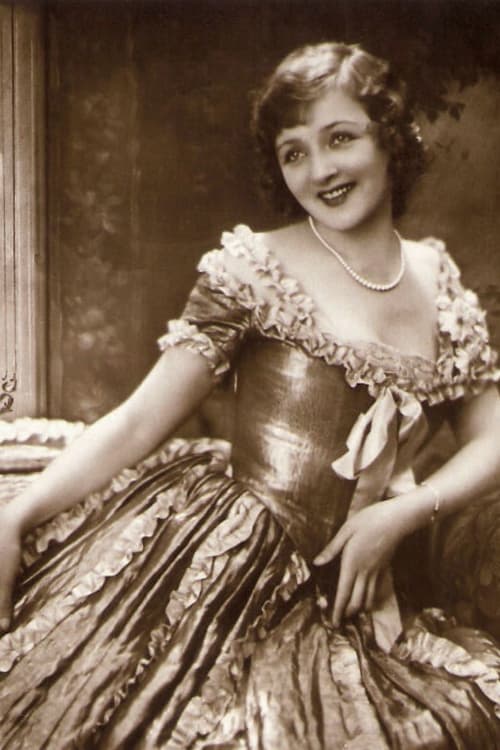
Die lachende Grille
1926
No user ratings available yet
Representation score: 4.1 out of 10

Representation Score
Limited
1934
Director
Steve Sekely
Runtime
73 minutes
Average Rating
No ratings yetNew Showbiz Analysis
Purple Lilacs is a product of its specific historical and geographical context, functioning as a typical Hungarian musical comedy. The film focuses on localized social dynamics and romantic escapism rather than addressing broader social issues. While the female leads likely play central roles in driving the story, the production remains ethnically homogeneous and does not include LGBTQ+ characters or those with disabilities. It reflects the standard production models of the 1930s Budapest studio system. Ultimately, the film offers a glimpse into early 20th-century European entertainment without challenging the social or demographic norms of its time.
Category Breakdown
The film does not include any explicit LGBTQ+ characters or non-straight relationships. It adheres to the social norms typical of 1930s musical comedies.
Starring Irén Ágay and Irén Biller, the film likely centers on women's roles in driving the plot through wit and social skills. Female leads in this genre often take charge of the story.
The production reflects the ethnic homogeneity of 1934 Budapest. There is no indication of intentional racial diversity or casting actors from different backgrounds.
The film focuses on light-hearted social interactions and romantic pursuits. It does not critique traditional institutions or hierarchies but instead emphasizes personal relationships.
There are no characters with visible or invisible disabilities mentioned in the film. The narrative does not include any representation of individuals with disabilities.
Present on Screen
Limited or Absent
Official Synopsis
Tóth Manci, a milliner turned dancer, meets Pali, a handsome banker, and falls madly in love. But she waits in vain for a word of encouragement from him, because he loves Lili, the belladonna. So Manci, in her grief, goes to Russia. By the time Pali realizes that he loves Manci too and wants to follow her, war breaks out, and he can only follow her as a soldier.
1926
1934
1937
1938
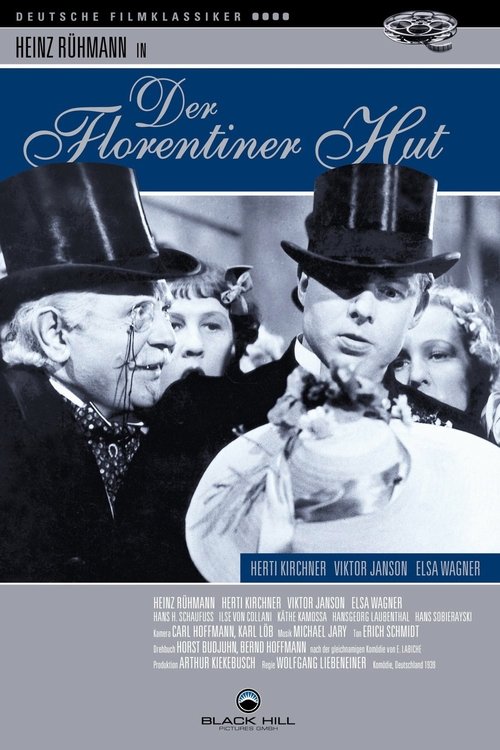
1939
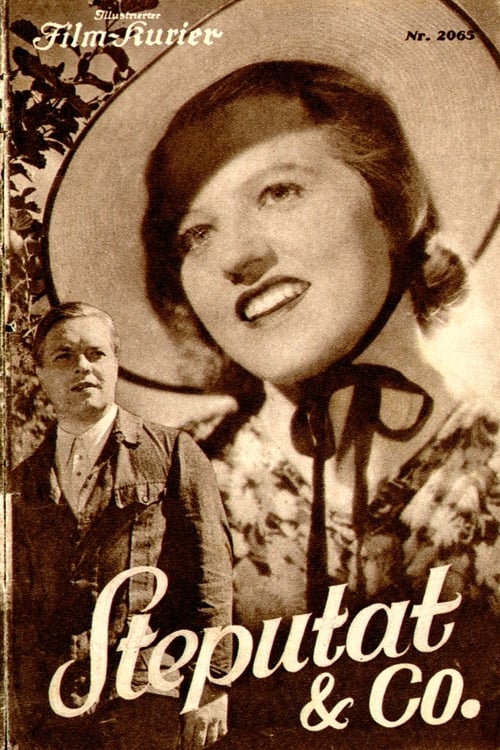
1938
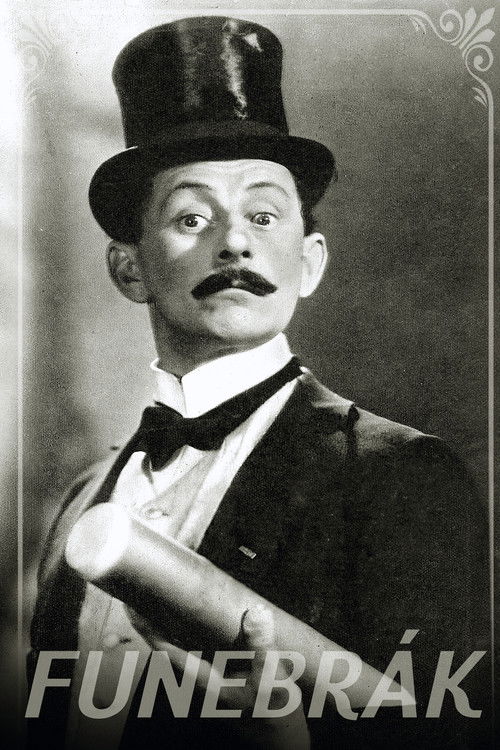
1932
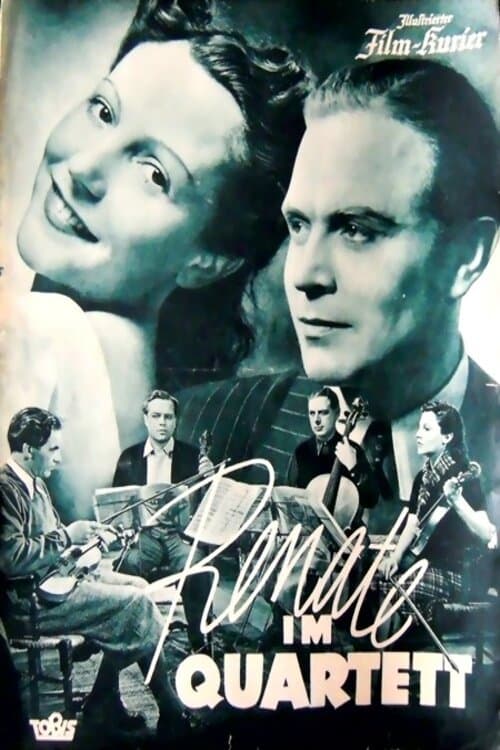
1939
No reviews yet. Be the first to share your thoughts on this movie!
Use the rating form above to leave a star rating and optional review.