The Three Million Trial
1926
No user ratings available yet
Representation score: 3.9 out of 10
Representation Score
Limited
1917
UnratedDirector
Charlie Chaplin
Runtime
26 minutes
Average Rating
No ratings yetNew Showbiz Analysis
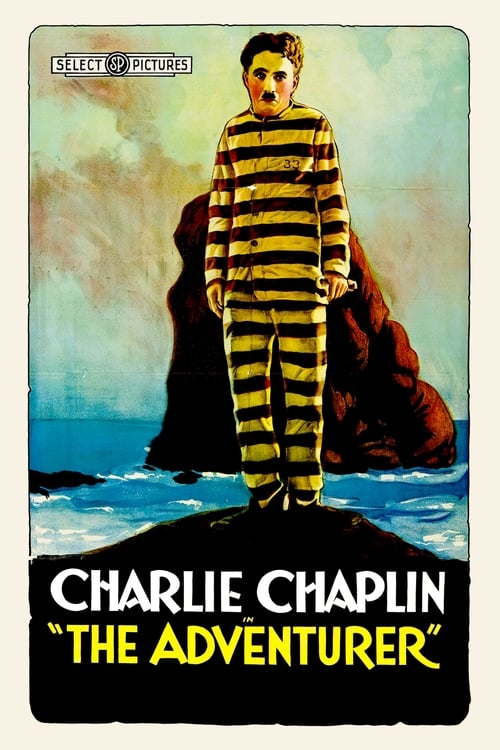
The Adventurer is a foundational silent comedy that employs slapstick humor to explore the tensions between social hierarchies and individual autonomy. Despite being limited by the demographic norms of its time, the film effectively uses the 'outsider' archetype to challenge established social conventions. Its strength lies in its ability to expose the absurdities of high-society etiquette and institutional authority through the protagonist's antics. However, the film's demographic scope remains narrow, reflecting the production standards of 1917 without incorporating diverse representations.
Category Breakdown
There are no LGBTQ+ characters or storylines that challenge traditional heterosexual relationships in the film. The romantic subplot focuses on a conventional relationship between the main character and Miss Brown.
The film challenges traditional masculinity by depicting the protagonist's attempts at chivalry as ineffective and comical due to his physical limitations.
The cast is primarily composed of upper-class European individuals, with no apparent effort to include actors from diverse racial backgrounds.
The film satirizes the pretensions of high society by showing a convict infiltrating elite circles. It uses humor to question the sanctity of upper-class customs and institutions.
The film does not feature any characters with visible or invisible disabilities, nor does it use such conditions as part of the narrative.
Present on Screen
Limited or Absent
Official Synopsis
The daring convict no. 23, known as The Eel, escapes from prison and, after mocking his inept persecutors, saves the lives of three people in peril: a beautiful girl, her mother and an annoying suitor, only to get exhausted and almost drowned. Once he regains his strength at Judge Brown's home, he participates on an upper-class social party where he competes with the suitor for the favors of the charming Miss Brown. But prison guards are still after him…
1926

1923
1916
1925
1909
1926

1915
1920
No reviews yet. Be the first to share your thoughts on this movie!
Use the rating form above to leave a star rating and optional review.