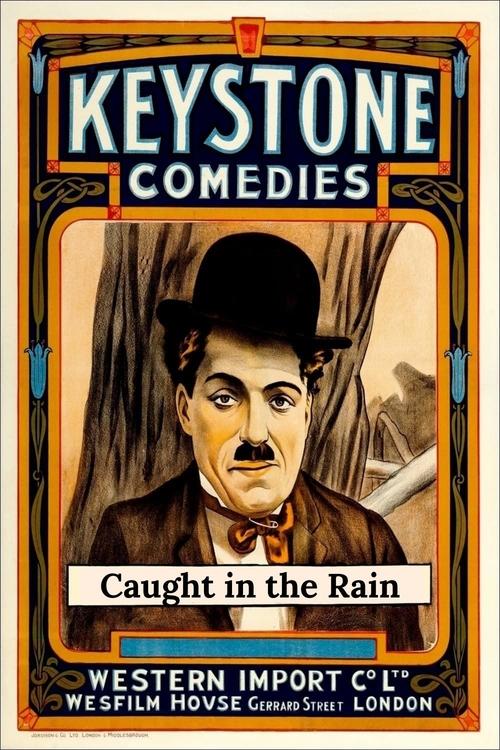
Caught in the Rain
1914
No user ratings available yet
Representation score: 1.0 out of 10

Representation Score
Minimal
1915
NRDirector
Charlie Chaplin
Runtime
33 minutes
Average Rating
No ratings yetNew Showbiz Analysis
A Night Out serves as an early example of class-based comedic subversion. Chaplin uses slapstick humor to disrupt the sanctity of high-society institutions, particularly through the chaos in a posh restaurant. However, the film adheres to the demographic norms of 1915, lacking in-depth exploration of multi-layered issues. It focuses on traditional social friction and straight-centered themes, offering limited representation of racial, gender, or LGBTQ+ diversity.
Category Breakdown
The film does not include any non-cisgender gender identities or same-sex relationships. The story focuses on heterosexual relationships and social friction typical of the time.
The story disrupts traditional social norms through a compromising situation involving a waiter's wife. However, the characters have limited control over their situations.
The setting of a posh restaurant and pub reflects the homogeneous society of 1915. There is no evidence of non-white characters or diverse casting.
The film challenges high-society institutions by showing characters causing chaos in formal settings. It uses social disruption to break down rigid etiquette.
There is no documented evidence of characters with physical or neurodivergent disabilities in this short film.
Present on Screen
Limited or Absent
Official Synopsis
After a visit to a pub, Charlie and Ben cause a ruckus at a posh restaurant. Charlie later finds himself in a compromising position at a hotel with the head waiter's wife.
1914

1923

1914
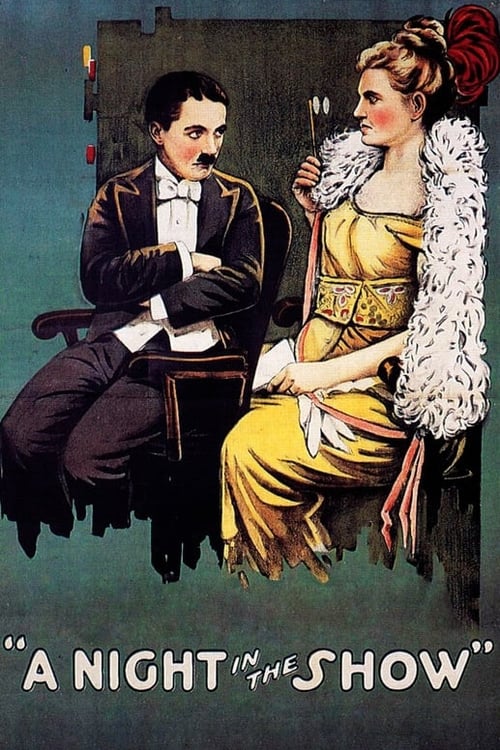
1915
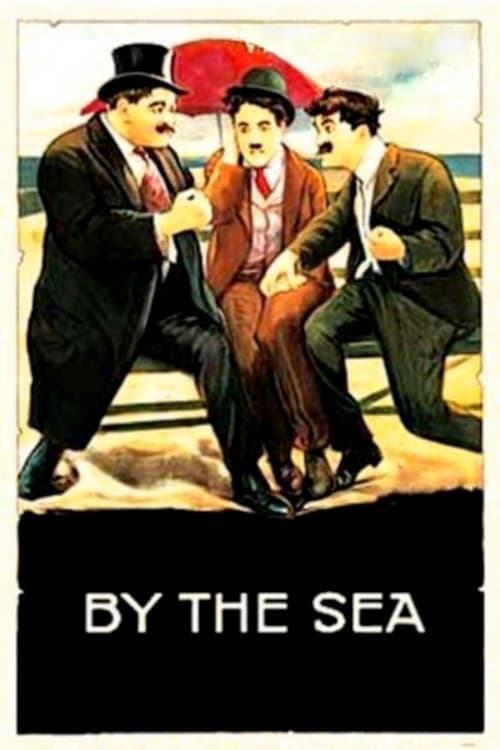
1915
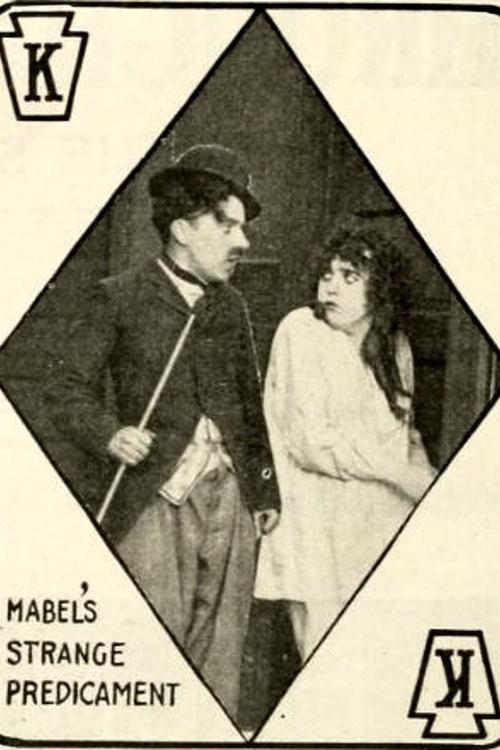
1914
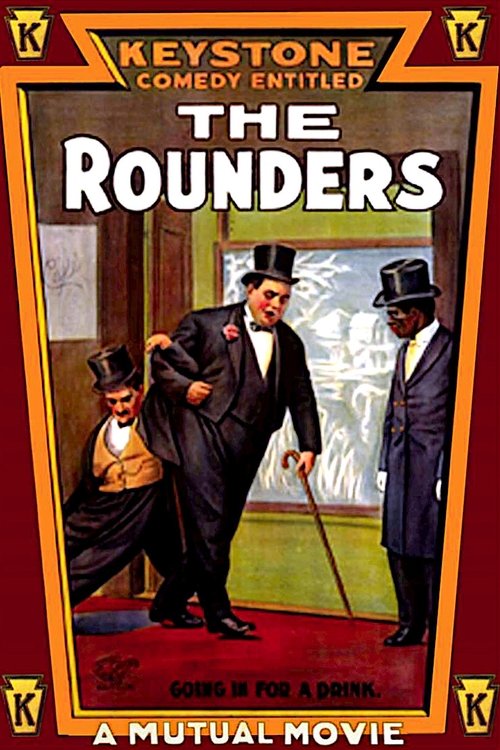
1914
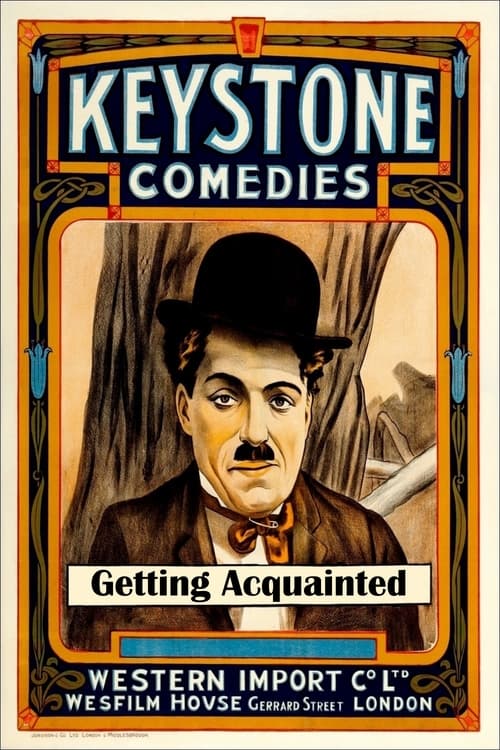
1914
No reviews yet. Be the first to share your thoughts on this movie!
Use the rating form above to leave a star rating and optional review.