
In the Park
1915
No user ratings available yet
Representation score: 0.9 out of 10
Representation Score
Minimal
1915
NRDirector
Charlie Chaplin
Runtime
31 minutes
Average Rating
No ratings yetNew Showbiz Analysis
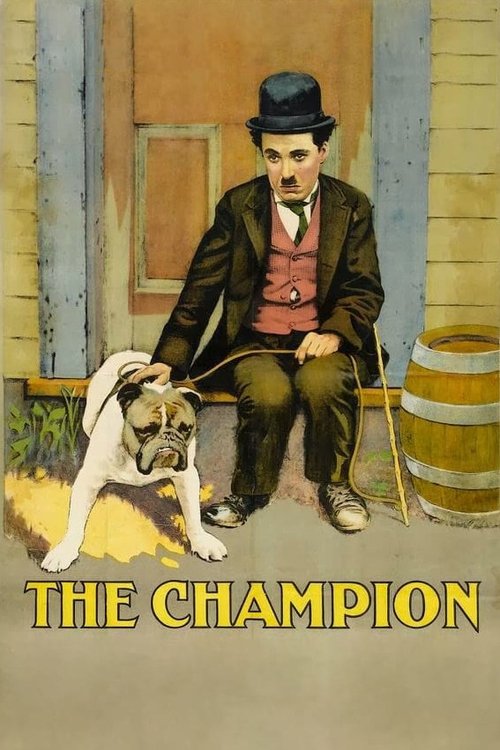
The Champion is a foundational slapstick comedy that emphasizes physical humor over social commentary. While it highlights Chaplin's early development of the Tramp archetype, the film remains anchored in the era's genre conventions. The narrative leans heavily on a homogeneous cast and traditional gender roles. The female lead primarily serves as a prize for the male protagonists rather than as a character with independent ability to act. Overall, the film lacks complexity in addressing multiple aspects of identity. It focuses on individual comedic moments rather than challenging systemic hierarchies seen in Chaplin's later works.
Category Breakdown
The film does not include any LGBTQ+ characters or non-cisgender identities. The romantic subplot follows a traditional storyline centered around a heterosexual relationship.
The film upholds traditional gender roles. The female character primarily serves as a catalyst for male competition and physical combat, lacking a significant role in driving the plot.
The cast is predominantly white, reflecting the production standards of 1915. There are no characters of diverse racial backgrounds included.
The narrative centers on individual pursuits such as winning fights and gaining affection. It does not address systemic critiques of Western institutions, capitalism, or religion.
The film does not feature any characters with visible or invisible disabilities. Disabilities are not central to any character arcs or used as narrative devices.
Present on Screen
Limited or Absent
Official Synopsis
Walking along with his bulldog, Charlie finds a "good luck" horseshoe just as he passes a training camp advertising for a boxing partner "who can take a beating." After watching others lose, Charlie puts the horseshoe in his glove and wins. The trainer prepares Charlie to fight the world champion. A gambler wants Charlie to throw the fight. He and the trainer's daughter fall in love.
1915
1926
1913
1928

1915
1927

1915
1927
No reviews yet. Be the first to share your thoughts on this movie!
Use the rating form above to leave a star rating and optional review.