
Madame Bovary
1937
No user ratings available yet
Diversity score: 4.1 out of 10
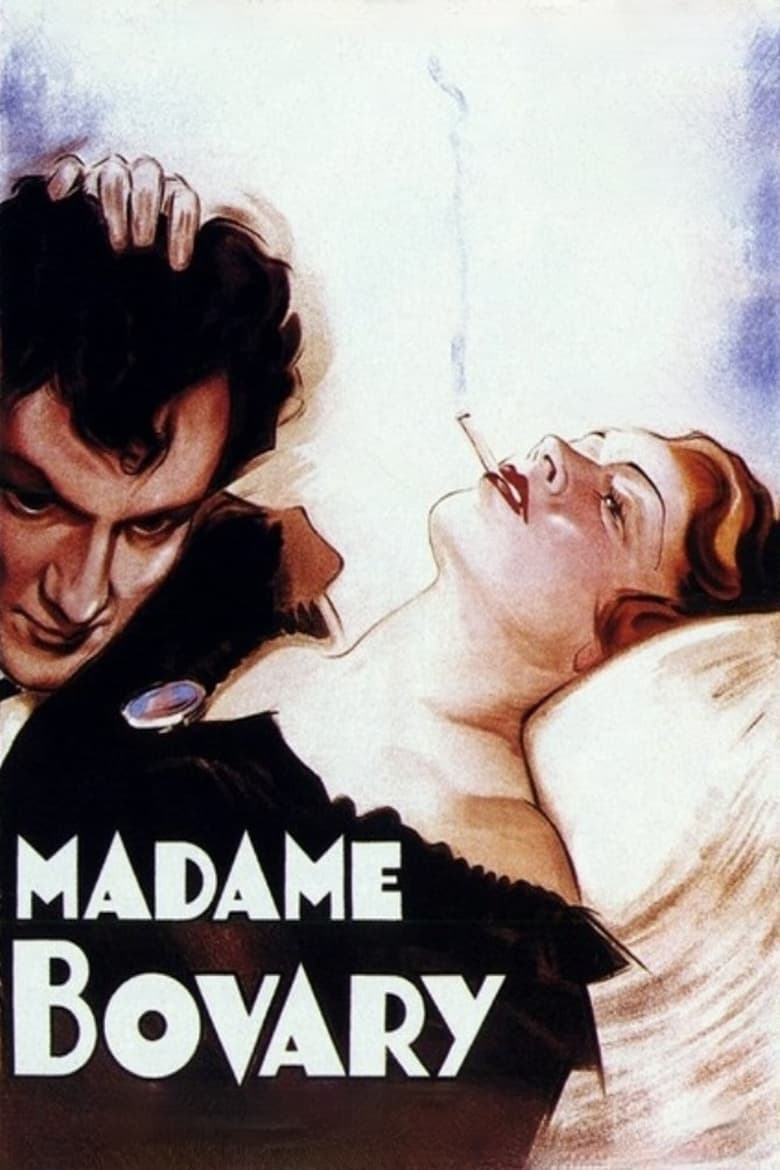
1934
Director
Jean Renoir
Runtime
101 minutes
Average Rating
No ratings yetSynopsis
In 19th-century France, doctor's wife Emma Bovary seeks to escape her dull provincial life through various extramarital affairs and extravagant spending, leading to tragic consequences.
Overall Score
Fair
Category Breakdown
LGBTQ+ Representation
The film focuses entirely on heteronormative romantic pursuits. There are no depictions of same-sex intimacy or non-cisnormative identities.
Gender Representation
Emma Bovary subverts patriarchal expectations by rejecting domestic passivity in favor of personal desire. The film also deconstructs traditional masculine leadership through Charles's ineffective character.
Racial & Ethnic Diversity
The casting reflects the historical homogeneity of 19th-century provincial France. There is a lack of intersectional racial diversity or color-blind casting.
Religious & Cultural Diversity
The narrative critiques bourgeois consumerism and capitalist-driven desire. It prioritizes psychological interiority over rigid religious morality to explain Emma's social transgressions.
Disability Representation
There are no prominent depictions of physical or neurodivergent disabilities that serve as significant character traits or drive the narrative.
Strengths
Areas for Improvement
AI Analysis
Jean Renoir’s adaptation is a sophisticated critique of 19th-century social structures. While it lacks modern demographic variety, it excels in its psychological depth and subversion of gendered roles. The film uses Emma Bovary to challenge the era's domestic expectations, providing a progressive look at female agency. However, the period setting results in a lack of racial and LGBTQ+ representation. Ultimately, the work's value lies in its deconstruction of the 'ideal wife' trope and its examination of how consumerism and social boredom shape individual identity.
1937
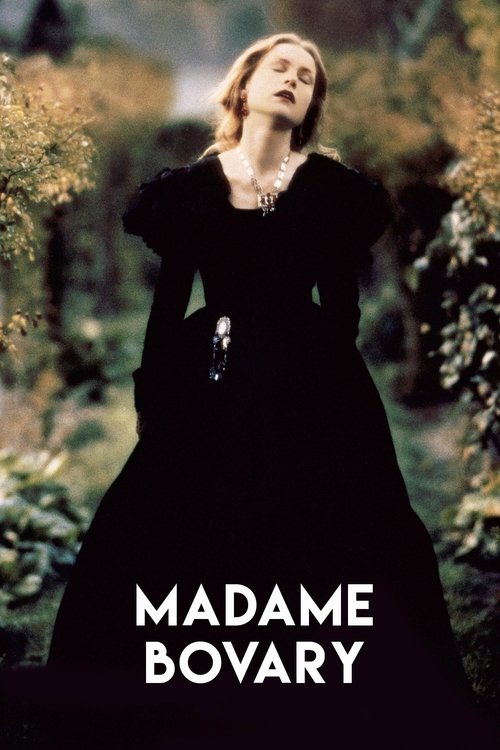
1991

1969

1947

1910

1962
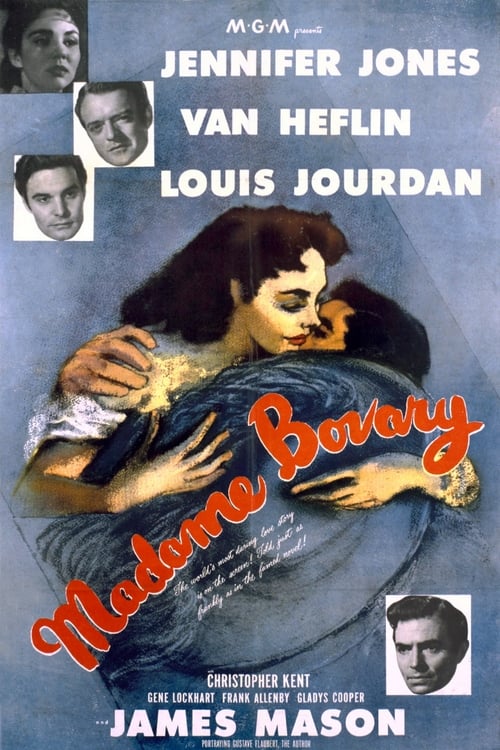
1949
1938

1930
1935

1989
1934
No reviews yet. Be the first to share your thoughts on this movie!
Use the rating form above to leave a star rating and optional review.