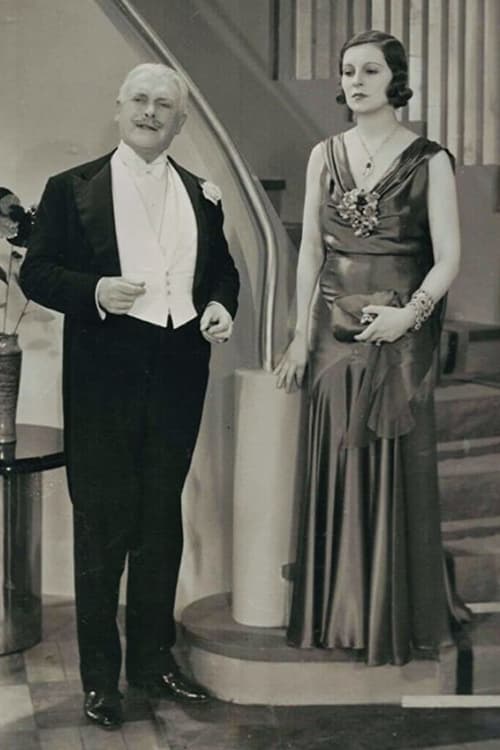
These Charming People
1931
No user ratings available yet
Representation score: 0.8 out of 10

Representation Score
Limited
1937
Director
Gerhard Lamprecht
Runtime
95 minutes
Average Rating
No ratings yetNew Showbiz Analysis
Gerhard Lamprecht’s adaptation excels in its psychological depth, particularly through its challenge of traditional gender roles. By focusing on Emma Bovary's dissatisfaction, the film critiques the patriarchal stability of the era. However, the film is limited by its narrow demographic scope. It lacks any representation of LGBTQ+ identities, racial diversity, or disability, staying strictly within a homogeneous European framework. Ultimately, the film provides a nuanced look at individual ability to act against social hierarchies, even though it does not offer a broad range of human experiences.
Category Breakdown
The film follows the straight-centered norms of 19th-century France. There are no representations of non-straight identities or same-sex relationships.
Emma Bovary challenges the restrictive domestic life through her strong role in driving the story. The film overturns traditional gender roles by showing the male figure as less powerful compared to Emma's internal desires.
The cast is uniform, reflecting the historical context of 19th-century France. It serves as an accurate portrayal of a specific European socioeconomic class.
The story criticizes the materialism of the upper classes and the emptiness of consumerist goals. It dismantles the stability of Western middle-class institutions through Emma's pursuit of luxury.
There are no depictions of physical, sensory, or neurodivergent disabilities. Characters are defined by their socioeconomic and psychological conditions rather than any impairments.
Present on Screen
Limited or Absent
Official Synopsis
In 19th-century France, doctor's wife Emma Bovary seeks to escape her dull provincial life through various extramarital affairs and extravagant spending, leading to tragic consequences.
1931
1935
1934

1939
1936
1932
1953
1932
No reviews yet. Be the first to share your thoughts on this movie!
Use the rating form above to leave a star rating and optional review.