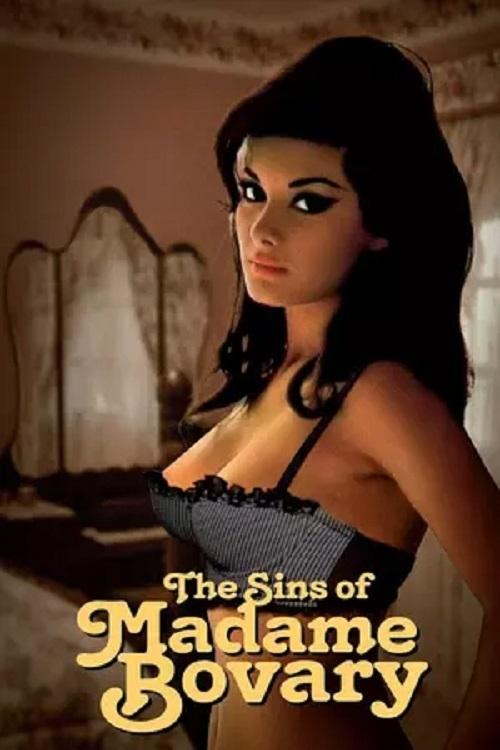
Madame Bovary
1969
No user ratings available yet
Representation score: 4.0 out of 10
Representation Score
Limited
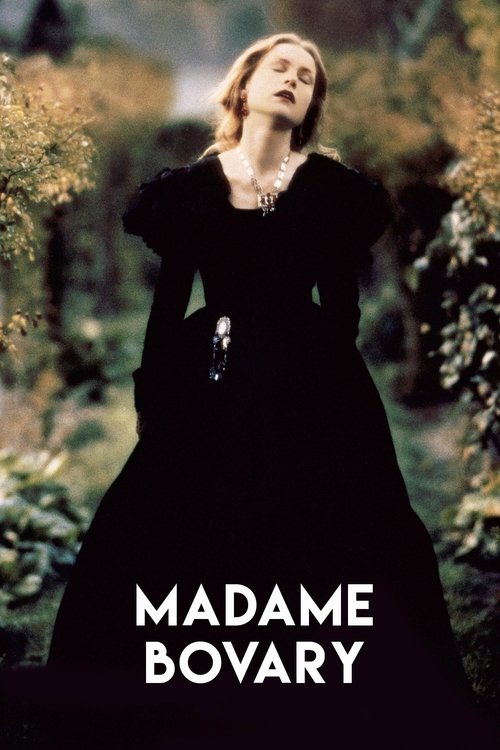
1991
PG-13Director
Claude Chabrol
Runtime
143 minutes
Average Rating
No ratings yetNew Showbiz Analysis
Claude Chabrol’s adaptation is a sophisticated deconstruction of bourgeois morality. While the film is limited by its historical setting, it excels in its psychological exploration of gender and social hypocrisy. The narrative succeeds by challenging the 'ideal wife' archetype, presenting Emma as a complex individual fighting systemic constraints. However, the lack of LGBTQ+ and racial representation keeps the overall score low. Ultimately, the film is a study of individual ability to act against the weight of traditional social and economic structures.
Category Breakdown
The film strictly follows an assumption that everyone is straight or cisgender. There are no depictions of diverse sexual orientations or gender identities within the 19th-century setting.
Emma Bovary serves as a powerful disruptor of traditional hierarchies. The narrative prioritizes her psychological depth and her active role over patriarchal stability.
The casting reflects the homogeneous demographic of rural 19th-century France. The film focuses on socioeconomic stratification rather than racial diversity.
The story offers a nuanced critique of Western bourgeois institutions and consumerism. It centers on Emma's internal truth rather than a punitive Christian morality.
No visible or invisible disabilities are central to the character development or the narrative arc.
Present on Screen
Limited or Absent
Official Synopsis
In 19th-century France, doctor's wife Emma Bovary seeks to escape her dull provincial life through various extramarital affairs and extravagant spending, leading to tragic consequences.
1969

1980
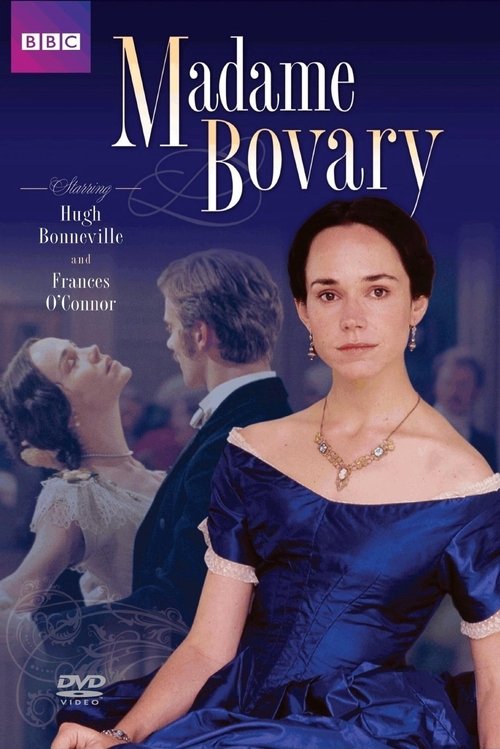
2000

1976
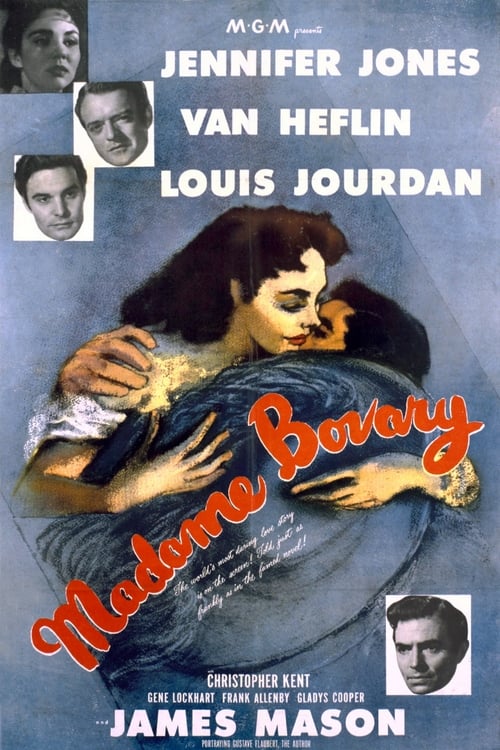
1949
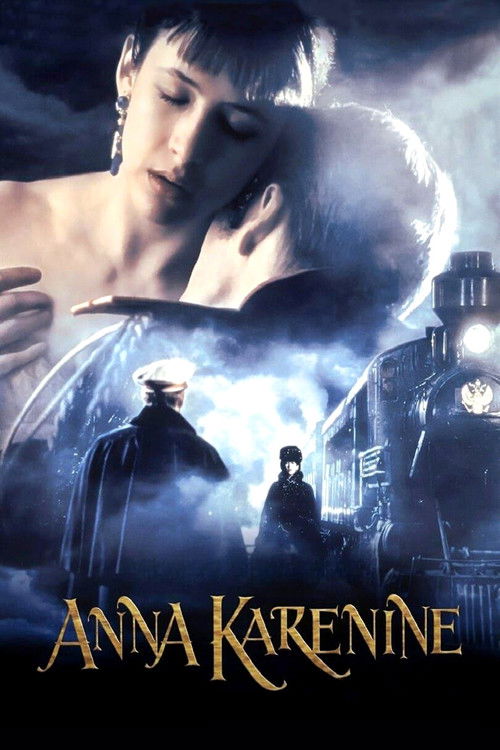
1997
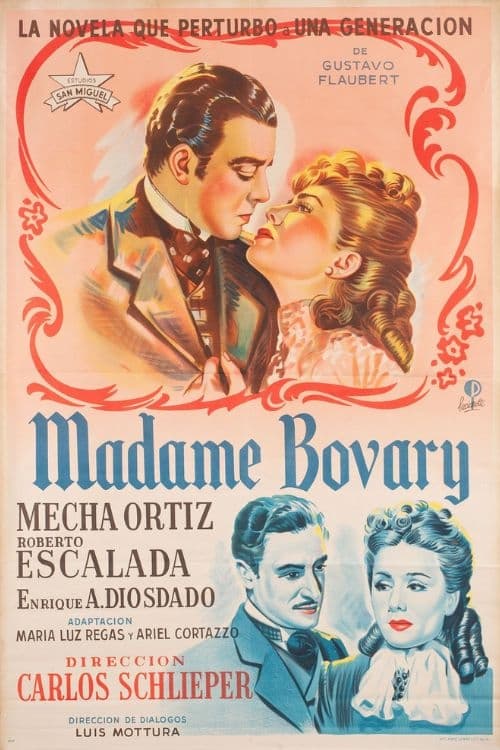
1947

1969
No reviews yet. Be the first to share your thoughts on this movie!
Use the rating form above to leave a star rating and optional review.