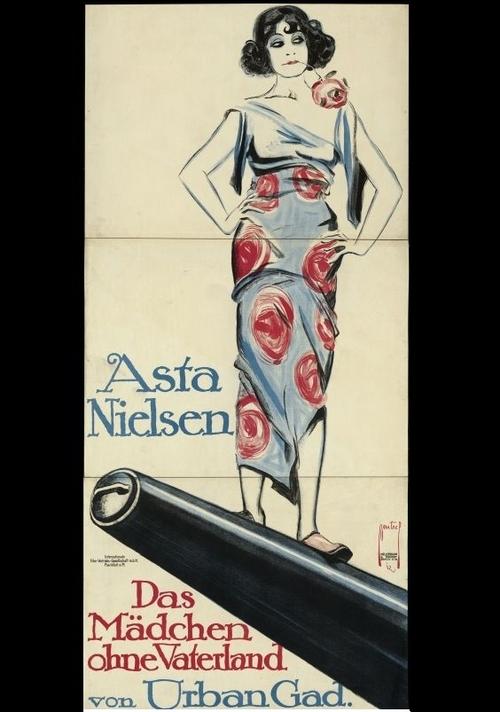
A Romany Spy
1912
No user ratings available yet
Diversity score: 3.8 out of 10
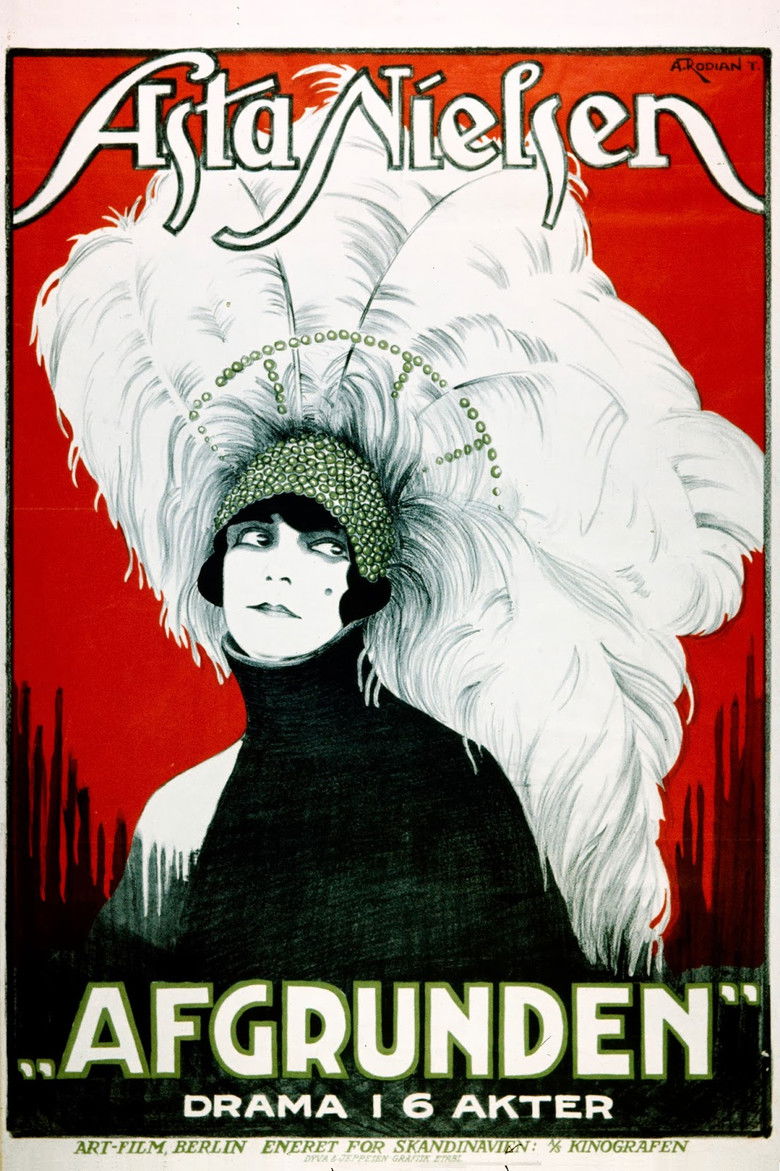
1910
Director
Urban Gad
Runtime
41 minutes
Average Rating
No ratings yetSynopsis
Magda, a piano teacher, meets Knud, a parson’s son, who invites her to spend the summer at his parents’ parsonage. When a travelling circus stops in the village, Magda leaves the meek Knud for the dashing circus rider Rudolf. But circus life with Rudolf quickly turns out to be anything but happy, and Magda comes to a tragic end.
Overall Score
Fair
Category Breakdown
LGBTQ+ Representation
The film focuses entirely on heteronormative romantic entanglements. There is no evidence of queer subtext or non-cisnormative identities present in the narrative.
Gender Representation
Magda is a central figure whose agency and personal desires drive the plot. She actively rejects traditional domestic stability to pursue individual passion, challenging early 20th-century gender hierarchies.
Racial & Ethnic Diversity
The cast and setting reflect a homogeneous European social framework. The narrative lacks intentional racial blending or the inclusion of diverse ethnic identities.
Religious & Cultural Diversity
The story prioritizes secular emotionality over institutional religious stability. It avoids a didactic sermon on infidelity, opting instead for a complex exploration of moral relativism.
Disability Representation
No visible or invisible disabilities are portrayed as central to the character arcs or the mechanics of the plot.
Strengths
Areas for Improvement
AI Analysis
The Abyss is a landmark of early psychological naturalism that subverts the rigid moral frameworks of its era. While the film remains demographically traditional, its narrative structure is remarkably progressive for 1910. The film's strength lies in its focus on female autonomy. By centering Magda's emotional truth and her capacity to reject social duty, the work moves beyond the passive female archetypes common in early cinema. However, the film is limited by its historical context, offering a homogeneous European perspective with no significant racial or LGBTQ+ representation. It remains a study of individualistic desire within a narrow demographic scope.
1912

1930
1934
1916
1925

1918
1923

1921

1989

1917

1914
1929
No reviews yet. Be the first to share your thoughts on this movie!
Use the rating form above to leave a star rating and optional review.