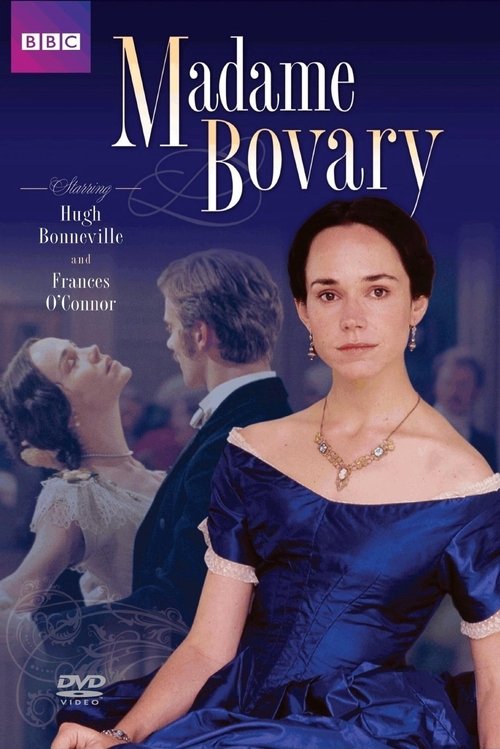
Madame Bovary
2000
No user ratings available yet
Representation score: 5.2 out of 10
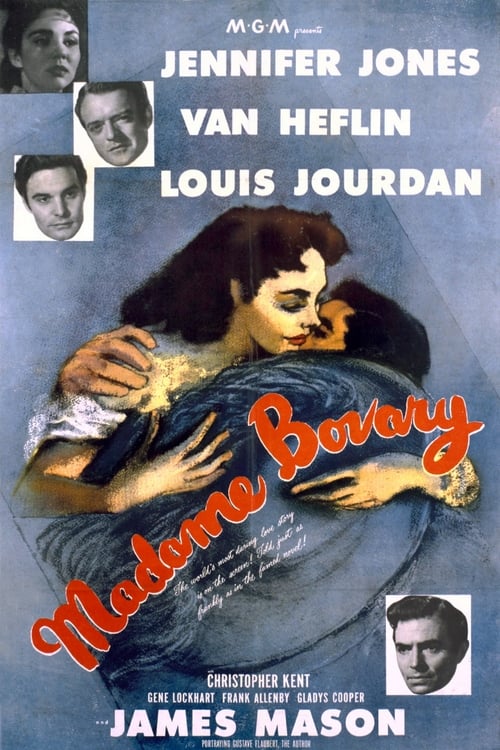
Representation Score
Limited
1949
ApprovedDirector
Vincente Minnelli
Runtime
106 minutes
Average Rating
No ratings yetNew Showbiz Analysis
Vicente Minnelli’s adaptation centers on the internal psychological states of its characters rather than strict social structures. While the film lacks diversity in race and LGBTQ+ identities, it excels in its nuanced portrayal of women's ability to drive the story. The film serves as a critique of 19th-century bourgeois institutions. It prioritizes the subjective experiences of individuals over the external dictates of societal morality, offering a deep look at personal disillusionment.
Category Breakdown
The film adheres to a traditional 19th-century perspective where everyone is assumed to be straight and cisgender. There is no indication of same-sex relationships or non-binary gender identities.
Emma Bovary challenges traditional gender roles by rejecting the passive role expected of wives. The film highlights her active role in pursuing independence from a patriarchal society.
The cast is uniform, reflecting the historical and geographic context of 19th-century France. There is no evidence of diverse racial backgrounds or color-blind casting.
The narrative criticizes the superficiality of bourgeois society and the emptiness of consumer-driven romance. It portrays Emma's actions as a reaction against the oppressive constraints of her social environment.
There are no visible or invisible disabilities shown in the main character arcs. The focus is on psychological traits and socioeconomic status.
Present on Screen
Limited or Absent
Official Synopsis
In 19th-century France, doctor's wife Emma Bovary seeks to escape her dull provincial life through various extramarital affairs and extravagant spending, leading to tragic consequences.
2000

1945
1955

1935

1948

1964
1947

1952
No reviews yet. Be the first to share your thoughts on this movie!
Use the rating form above to leave a star rating and optional review.