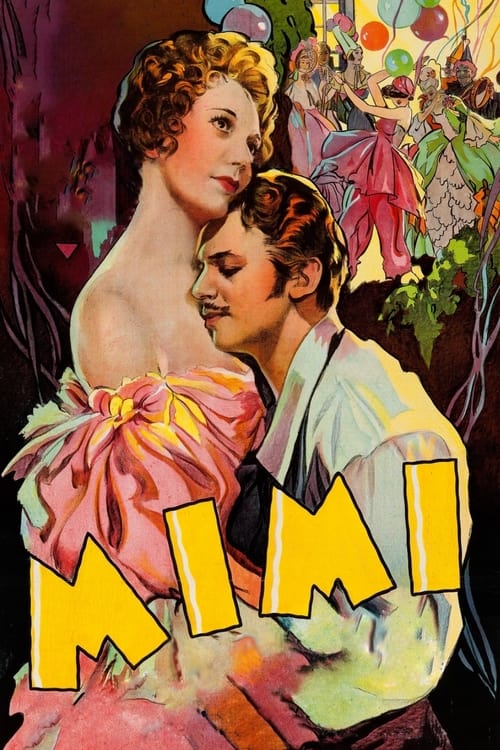
Mimi
1935
No user ratings available yet
Representation score: 1.4 out of 10
Representation Score
Limited
1935
PassedDirector
Henry Koster
Runtime
86 minutes
Average Rating
No ratings yetNew Showbiz Analysis
Affairs of Maupassant is a period drama that emphasizes literary subtlety over modern diversity. It highlights the conflict between personal desires and rigid social structures. The film delves into the complexities of gender roles and moral ambiguity. While it lacks representation of LGBTQ+ identities and diverse racial backgrounds, it avoids simplistic moral judgments by presenting romantic transgressions through a nuanced perspective. Ultimately, the work challenges social norms through themes of romantic freedom, while maintaining the aesthetic of the 1930s era.
Category Breakdown
The film focuses on traditional romance and courtship, without depicting same-sex relationships or non-cisgender identities.
It examines the balance between 19th-century hierarchies and women's roles. Women in the film navigate social consequences through romantic actions rather than strict adherence to societal norms.
The cast is primarily white and European, reflecting the historical context of 19th-century France. There is no intentional inclusion of diverse racial backgrounds.
The film explores moral relativism and situational ethics. It presents infidelity as a complex human experience rather than a straightforward moral issue.
There is no evident portrayal of physical or neurodivergent disabilities in this work.
Present on Screen
Limited or Absent
Official Synopsis
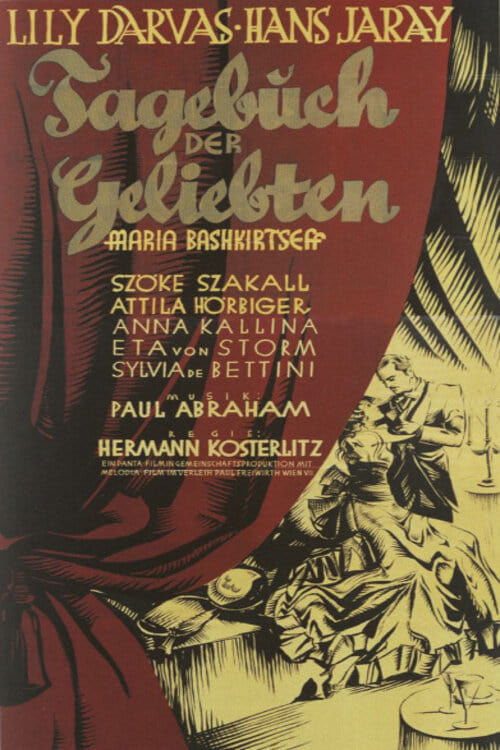
A story of the romance of Maria Baschkirtzeff and Guy de Maupassant beginning with their first meeting leading to other meetings and the development of their ill-fated romance.
1935
1945
1928
1935
1919
1938
1934
1932
No reviews yet. Be the first to share your thoughts on this movie!
Use the rating form above to leave a star rating and optional review.