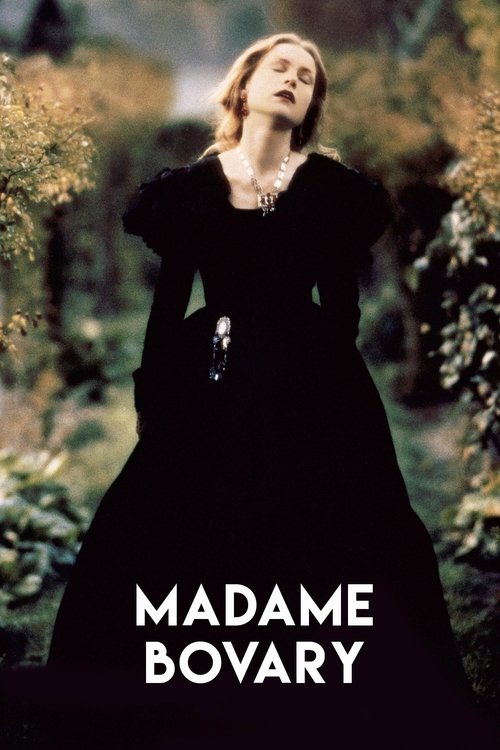
Madame Bovary
1991
No user ratings available yet
Representation score: 3.8 out of 10
Representation Score
Limited
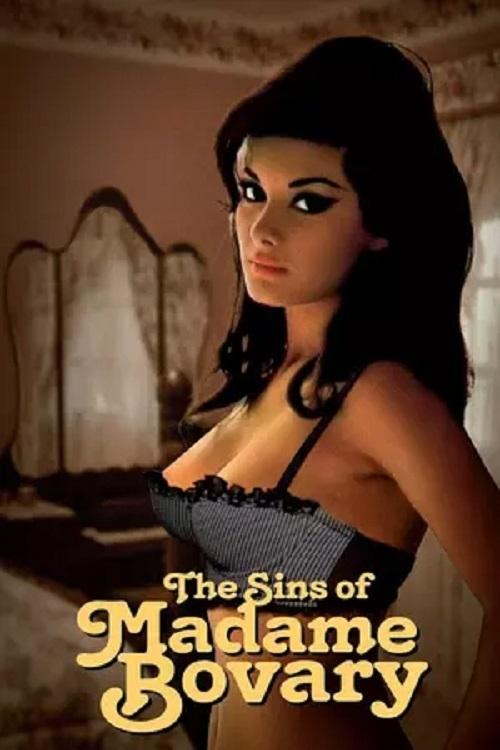
1969
Not RatedDirector
Hans Schott-Schöbinger
Runtime
91 minutes
Average Rating
No ratings yetNew Showbiz Analysis
This adaptation of Madame Bovary emphasizes the internal struggles of its main character rather than focusing on diverse demographics. While the historical context restricts LGBTQ+ and racial diversity, the film excels in thematic depth. It uses Emma's dissatisfaction to question and deconstruct 19th-century social norms. The film prioritizes the protagonist's personal journey over rigid social conventions, allowing for a nuanced exploration of female independence and a critique of middle-class materialism.
Category Breakdown
The film does not include any explicit LGBTQ+ characters or explore non-straight relationships. Romantic relationships are confined to traditional heterosexual pairings.
Emma Bovary challenges the submissive wife archetype of the 19th century. Her actions and thoughts highlight her independence and psychological freedom.
The cast reflects the historical lack of racial diversity in 19th-century France. The film does not feature any non-white characters or use color-blind casting.
The story critiques the superficiality of bourgeois life and the emptiness of consumerism. It questions the sanctity of marriage and the stability of the traditional family structure.
There are no prominent portrayals of physical or neurodivergent disabilities in the film. None of the characters have disabilities that play a central role in the narrative.
Present on Screen
Limited or Absent
Official Synopsis
In 19th-century France, doctor's wife Emma Bovary seeks to escape her dull provincial life through various extramarital affairs and extravagant spending, leading to tragic consequences.
1991
1964
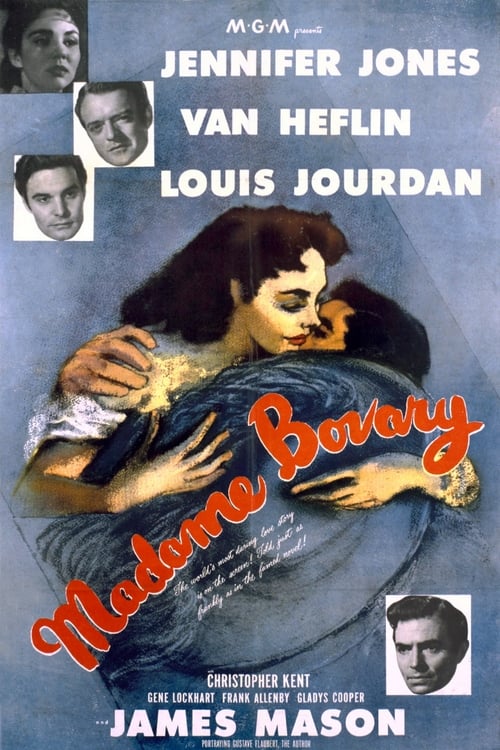
1949

1969
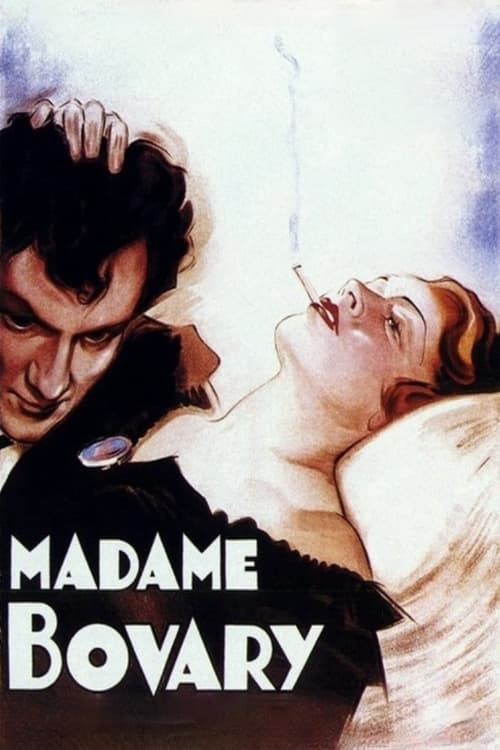
1934
2004
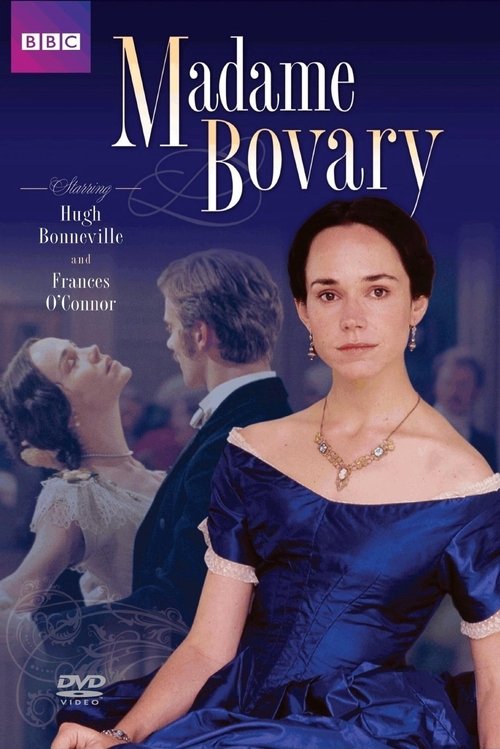
2000

1989
No reviews yet. Be the first to share your thoughts on this movie!
Use the rating form above to leave a star rating and optional review.