Madame Bovary
1991
No user ratings available yet
Representation score: 3.8 out of 10
Representation Score
Limited
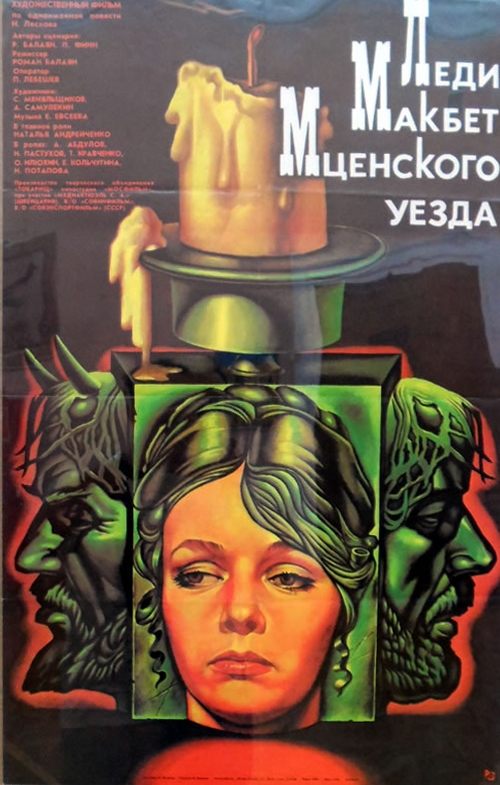
1989
Director
Roman Balayan
Runtime
80 minutes
Average Rating
No ratings yetNew Showbiz Analysis
The film stands out for its psychological depth and its subversion of traditional gender roles. By focusing on Katerina's reclaiming of her autonomy, it challenges the expected passivity of women in historical dramas. However, the work is limited by its strict adherence to the historical period's demographic homogeneity. It lacks any representation of LGBTQ+ identities or ethnic diversity, focusing solely on a specific Russian social class. Ultimately, the film's strength lies in its critique of systemic oppression rather than demographic breadth. It prioritizes a sophisticated deconstruction of patriarchal and capitalist hierarchies over modern inclusivity.
Category Breakdown
The film centers on a heterosexual relationship without any queer-coded subtext or non-cisgender identities among the characters.
Katerina challenges traditional gender roles by taking control against her husband's authority. She is not a passive figure but a strong-willed protagonist.
The cast is ethnically uniform, reflecting the 19th-century Russian context. It portrays a specific social layer accurately for its time.
The narrative criticizes merchant capitalism and rigid social structures, emphasizing visceral truths over religious or legal morality. Social institutions are shown as oppressive.
There are no visible or invisible disabilities depicted. Characters with disabilities are not used as plot devices.
Present on Screen
Limited or Absent
Official Synopsis
Katerina Izmailova, a beautiful and uneducated merchant's wife, feels lonely and bored somewhere in the Russian provinces while her older husband is often away. Years go by in her childless marriage, without an outlet for her youthful energy, resulting in constant idleness and frustration. Along comes Sergei, an unscrupulous young worker who is happy to improve his lot by seducing Katerina as he has done with others before. Katerina falls for Sergei, and this love quickly becomes her only reason for living, turning to destructive passion and ultimately to tragedy for many.
1991

1964
1994
1999

2021

1996

1994
2016
No reviews yet. Be the first to share your thoughts on this movie!
Use the rating form above to leave a star rating and optional review.