Shadow of a Doubt
1943
No user ratings available yet
Representation score: 2.9 out of 10
Representation Score
Limited
1953
ApprovedDirector
Henry Hathaway
Runtime
92 minutes
Average Rating
No ratings yetNew Showbiz Analysis
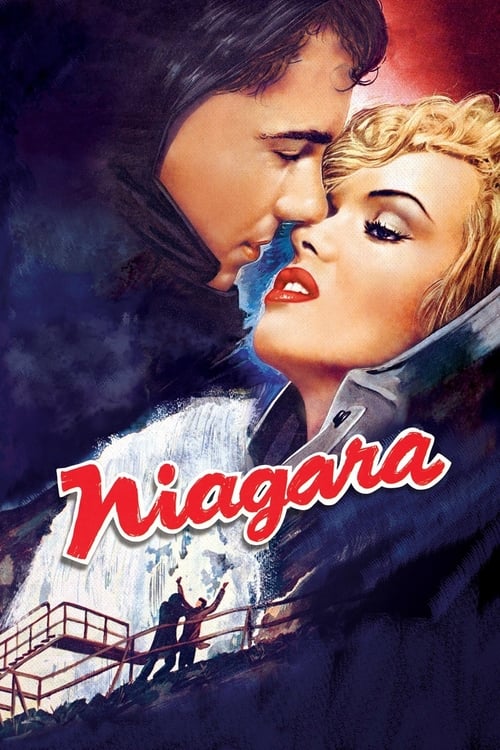
Niagara is a psychological melodrama that focuses on individual compulsion over social stability. Although it lacks demographic diversity, it provides a nuanced study of human impulses that challenge the rigid social structures of the 1950s. The film's strength lies in its subversion of gender clichés. By presenting the domestic unit as a site of instability rather than a moral anchor, it offers a dark exploration of women's ability to drive the story. However, the film remains limited by the era's lack of inclusive representation. It operates within a homogeneous racial landscape and offers no representation for LGBTQ+ or disabled characters.
Category Breakdown
The story does not include any non-cisgender identities or queer subtext. It follows strict conventions that assume everyone is straight and cisgender.
Rose Loomis challenges mid-century expectations by actively driving the plot through her actions and emotions. She is not a passive, domestic figure but instead takes a leading role in the story.
The cast is mostly white and middle-class, reflecting the demographic homogeneity of 1950s cinema. There is no meaningful presence of diverse backgrounds.
The film explores moral relativism by attributing destructive impulses to psychological obsession rather than religious sin. However, it does not offer broader critiques of Western institutions.
There are no visible or invisible disabilities portrayed within the main character arcs.
Present on Screen
Limited or Absent
Official Synopsis
Rose Loomis and her older, gloomier husband, George, are vacationing at a cabin in Niagara Falls. The couple befriend Polly and Ray Cutler, who are honeymooning in the area. Polly begins to suspect that something is amiss between Rose and George, and her suspicions grow when she sees Rose in the arms of another man. While Ray initially thinks Polly is overreacting, things between George and Rose soon take a shockingly dark turn.
1943
1950
1952
1944
1967
1952
1958
1936
No reviews yet. Be the first to share your thoughts on this movie!
Use the rating form above to leave a star rating and optional review.