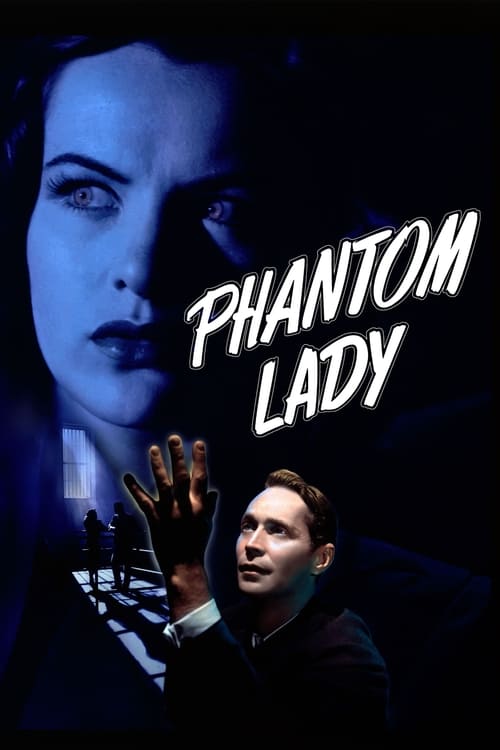
Phantom Lady
1944
No user ratings available yet
Representation score: 1.6 out of 10

Representation Score
Limited
1930
NRDirector
Alfred Hitchcock
Runtime
102 minutes
Average Rating
No ratings yetNew Showbiz Analysis
Alfred Hitchcock's early work prioritizes technical suspense and the mechanics of the mystery genre over challenging social hierarchies. The narrative is built upon traditional pillars of British middle-class life and legal authority. While the film explores the sophisticated concept of perceptual truth and the fallibility of human observation, it does not extend this complexity to identity politics. The story remains a conventional period piece that reflects the demographic homogeneity of the early sound era. Ultimately, the film functions as a standard thriller that reinforces existing social and legal structures rather than disrupting them.
Category Breakdown
The film does not include any LGBTQ+ characters or representations of non-straight relationships. It adheres to the traditional social norms of early 1930s British cinema.
Women play central roles as the actress Diana Baring and the victim. However, the male protagonist holds most of the power, leaving women as subjects of legal scrutiny.
The cast is predominantly white, reflecting the standards of 1930s British cinema. There are no characters from diverse racial or ethnic backgrounds.
The film emphasizes the legitimacy of Western legal systems. It focuses on the pursuit of justice within established frameworks without questioning systemic issues.
There is no significant portrayal of neurodivergence or physical disabilities. Psychological distress serves traditional thriller clichés rather than offering nuanced mental health representation.
Present on Screen
Limited or Absent
Official Synopsis
When actress Diana Baring is found in a daze beside her colleague’s murdered body, all evidence points to her guilt. During the trial, juror Sir John Menier doubts the verdict, but yields to pressure. Haunted by remorse, he launches his own investigation.
1944
1937
1931
1942
1950
1947

1934
1964
No reviews yet. Be the first to share your thoughts on this movie!
Use the rating form above to leave a star rating and optional review.