
Blackmail
1929
No user ratings available yet
Representation score: 2.6 out of 10
Representation Score
Minimal
1936
ApprovedDirector
Alfred Hitchcock
Runtime
77 minutes
Average Rating
No ratings yetNew Showbiz Analysis
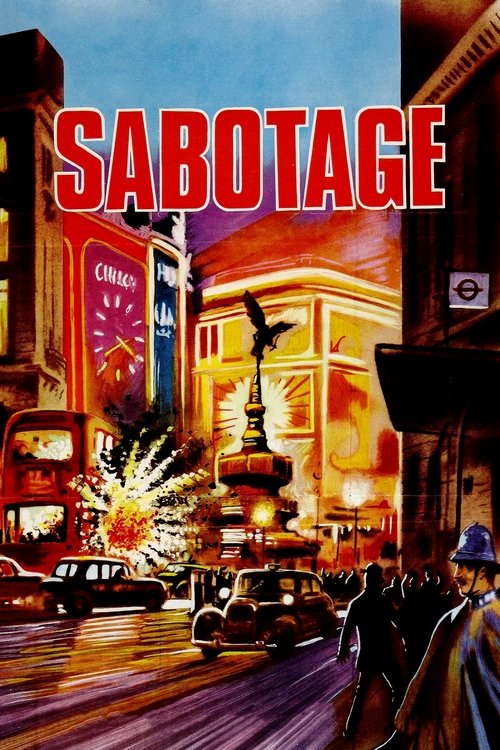
Alfred Hitchcock’s *Sabotage* is a classic British crime thriller that prioritizes psychological tension over social representation. The film adheres to the demographic norms of its time, focusing on the erosion of social order through a traditional lens. While the narrative masterfully explores the fragility of the human psyche and the ambiguity of morality, it does not seek to deconstruct systemic hierarchies. The storytelling remains rooted in the period’s social structures, offering a homogeneous view of the British landscape.
Category Breakdown
The film does not include any representation of LGBTQ+ identities or narratives. Character relationships are centered around traditional romantic and familial structures.
The narrative emphasizes a male-dominated hierarchy, particularly in criminal and legal settings. Female characters have important emotional stakes but often function primarily through their relationships to men.
Reflecting 1937 London, the cast is predominantly white and Anglo-Saxon. There is a lack of meaningful ethnic diversity within the central narrative.
The film examines moral relativism and the blurred lines between respectability and criminality. It focuses on individual psychological struggles rather than critiquing Western institutions.
There is no evidence of characters with visible or invisible disabilities being used as central figures or narrative devices.
Present on Screen
Limited or Absent
Official Synopsis
Karl Anton Verloc and his wife own a small cinema in a quiet London suburb where they live seemingly happily. But Mrs. Verloc does not know that her husband has a secret that will affect their relationship and threaten her teenage brother's life.
1929

1949
1943
1952
1954
1944
1944

1948
No reviews yet. Be the first to share your thoughts on this movie!
Use the rating form above to leave a star rating and optional review.