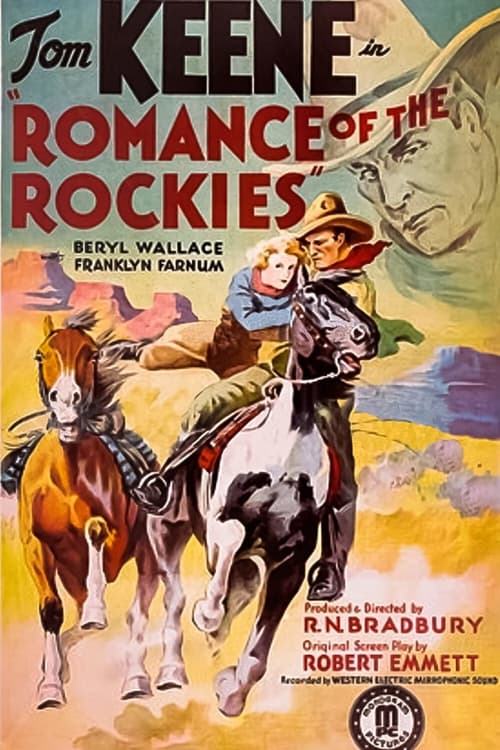
Romance of the Rockies
1937
No user ratings available yet
Representation score: 1.4 out of 10
Representation Score
Minimal
1943
ApprovedDirector
Howard Bretherton
Runtime
55 minutes
Average Rating
No ratings yetNew Showbiz Analysis
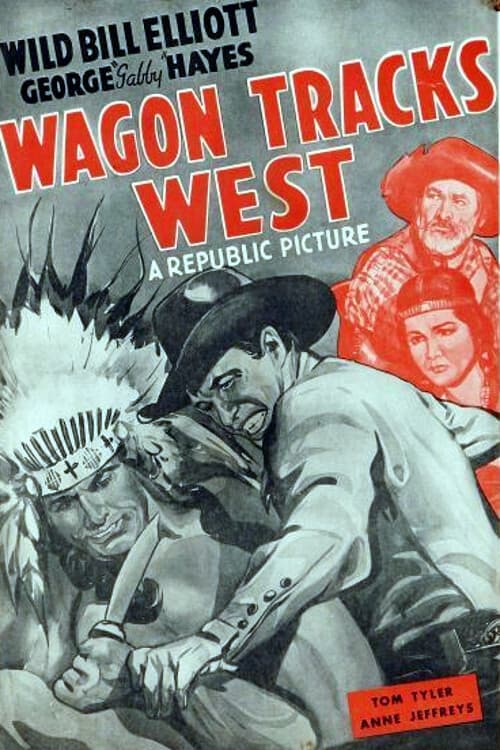
Wagon Tracks West is a product of the 1940s B-movie Western tradition, emphasizing established genre formulas and moral binaries. While it avoids some of the era's most extreme racial caricatures, it remains firmly rooted in the conservative social norms of its time. One of the film's strengths is its portrayal of an Indigenous doctor as a professional and influential figure, which subverts the typical villainous stereotypes of the era.
Category Breakdown
The film does not include any LGBTQ+ characters or non-straight identities. It follows the traditional social structures typical of 1940s Hollywood.
The story emphasizes masculine roles and physical strength. It relies on conventional gender stereotypes without showing strong roles for women.
An Indigenous doctor offers a break from the usual villain roles by having a professional, influential position. However, this might fit a 'helpful ally' stereotype.
The story upholds traditional Western values and the stability of frontier towns. It focuses on protecting resources and maintaining orderly social structures.
The film does not mention any characters dealing with physical or neurological disabilities.
Present on Screen
Limited or Absent
Official Synopsis
Cowboys side with an Indian doctor against crooks and bad water.
1937
1939
1943
1966
1941
1943
1941
1936
No reviews yet. Be the first to share your thoughts on this movie!
Use the rating form above to leave a star rating and optional review.