Sunset in the West
1950
No user ratings available yet
Diversity score: 2.3 out of 10
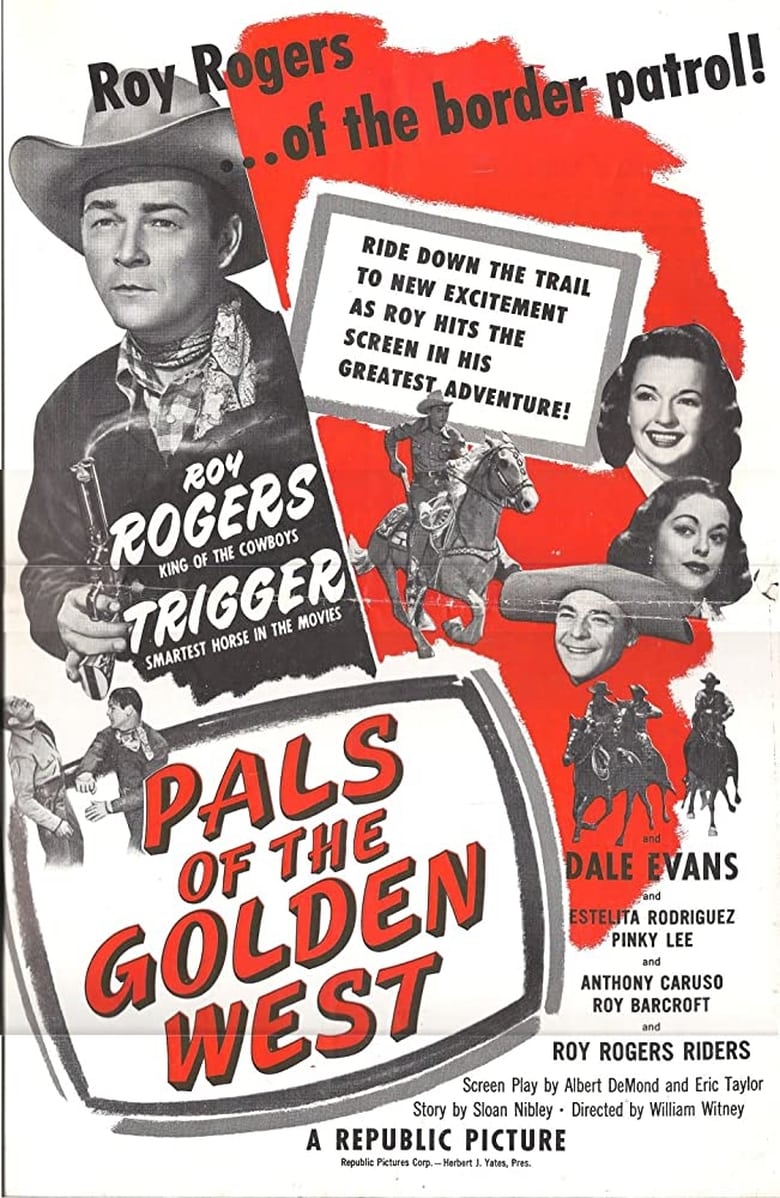
1951
ApprovedDirector
William Witney
Runtime
68 minutes
Average Rating
No ratings yetSynopsis
US Border Patrolman Roy Rogers is assigned to prevent a herd of diseased cattle from crossing over from Mexico.
Overall Score
Limited
Category Breakdown
LGBTQ+ Representation
The film operates within the strict heteronormative constraints of 1951 cinema. There are no LGBTQ+ characters or non-heteronormative narratives present.
Gender Representation
The story centers on Roy Rogers, a masculine hero defined by authority and protection. Agency is concentrated in the male protagonist, reinforcing traditional gender hierarchies.
Racial & Ethnic Diversity
While the plot involves Mexican characters and border crossings, these roles likely follow standard frontier tropes. The film lacks nuanced agency for non-Anglo characters.
Religious & Cultural Diversity
The narrative emphasizes patriotism and the enforcement of national borders. It promotes a moral binary centered on protecting domestic resources from external threats.
Disability Representation
There is no evidence of disability, neurodivergence, or chronic illness being central to the character arcs or the narrative.
Strengths
Areas for Improvement
AI Analysis
Pals of the Golden West is a quintessential mid-century Western that prioritizes traditional genre tropes over social complexity. The film focuses on institutional stability and the heroism of a singular male figure, reinforcing the social hierarchies common to the 1950s. Representation is limited by the era's production standards. The narrative relies on established archetypes, particularly regarding border dynamics and gender roles, offering little disruption to the status quo. Ultimately, the film serves as a study in traditionalist values, emphasizing national order and masculine authority through a very narrow lens.
1950
1967
1948
1955
1950
1946
1952
1964
1942
1936
1944
1932
No reviews yet. Be the first to share your thoughts on this movie!
Use the rating form above to leave a star rating and optional review.