
Red River Valley
1941
No user ratings available yet
Representation score: 0.3 out of 10
Representation Score
Minimal
1944
PassedDirector
Howard Bretherton
Runtime
52 minutes
Average Rating
No ratings yetNew Showbiz Analysis
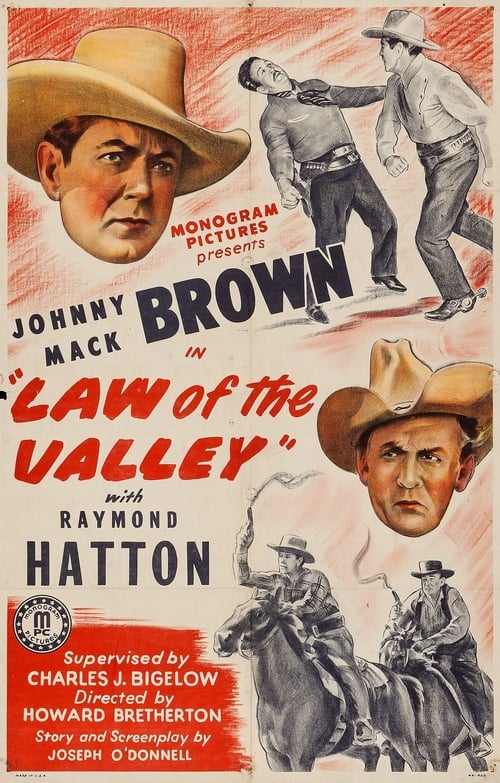
Law of the Valley is a typical 1944 B-movie Western that adheres closely to the genre conventions of its time. The plot revolves around a binary conflict between lawmen and land monopolists, emphasizing traditional frontier justice over narrative complexity. The film does not challenge established norms or introduce diverse identities. It upholds the social structures common in mid-century studio productions. Overall, it functions as a conventional genre piece that reinforces existing social hierarchies.
Category Breakdown
The film follows a traditional Western storyline focused on land disputes and law enforcement. There are no representations of LGBTQ+ identities or same-sex relationships.
The story is driven by male characters, both protagonists and antagonists. Ann Jennings starts the plot, but her role is reactive rather than proactive.
The story centers on a conflict between ranchers and monopolists. There are no characters from non-Anglo-Saxon backgrounds in prominent roles.
The narrative emphasizes traditional Western values such as law, order, and property rights. It portrays justice through federal authority and the restoration of communal resources.
The film does not mention any characters with visible or invisible disabilities.
Present on Screen
Limited or Absent
Official Synopsis
Dan Stanton and Condon are foreclosing on a group of ranchers in order to gain a land-monopoly. They have one of the ranchers, whose property supplies the others with water, killed. Ann Jennings, niece of the rancher, sends for U. S. Marshals Nevada Jack McKenzie and Sandy Hopkins, who organize the ranchers who take over the dead man's property and blast the dam releasing needed water to all the ranchers. Nevada and Sandy, aided by the sheriff, round up Stanton, Condon and their gang members.
1941

1939
1939

1966

1941

1943

1948
1942
No reviews yet. Be the first to share your thoughts on this movie!
Use the rating form above to leave a star rating and optional review.