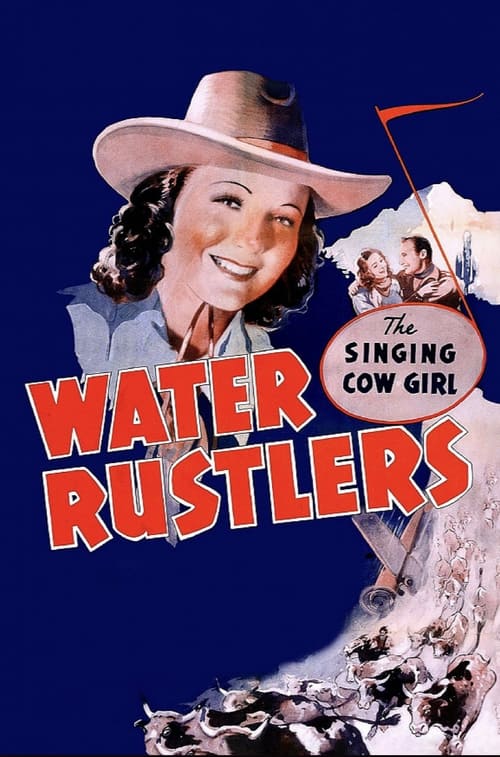
Water Rustlers
1939
No user ratings available yet
Representation score: 1.1 out of 10
Representation Score
Minimal
1941
NRDirector
Howard Bretherton
Runtime
66 minutes
Average Rating
No ratings yetNew Showbiz Analysis
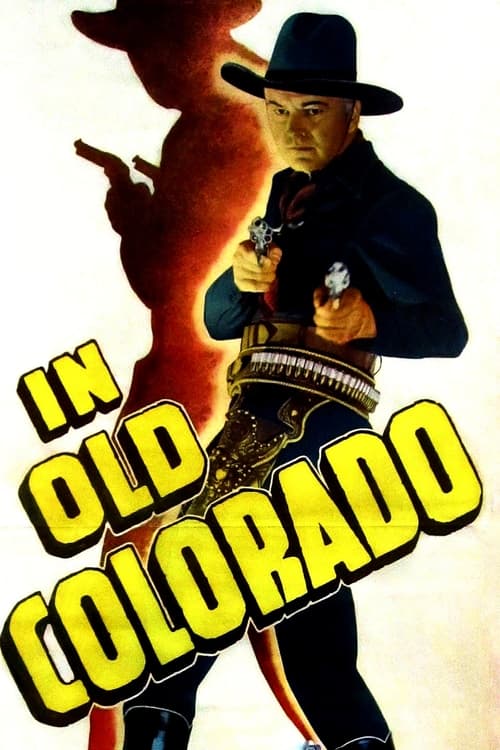
Old Colorado is a classic example of a traditional Western film. Its narrative structure supports established social hierarchies, reinforcing conventional ideas of masculinity and racial homogeneity. The film does not aim to challenge or question the norms of the 1940s. Instead, it focuses on restoring order through frontier justice and individualist morality. Ultimately, the work upholds the stability of the social order and traditional authority, offering limited representation outside the dominant Anglo-Saxon settler perspective.
Category Breakdown
The film follows strict social structures that assume everyone is straight or cisgender. There are no representations of LGBTQ+ identities or same-sex relationships.
Women in the film mainly serve as secondary characters or romantic interests. The story emphasizes traditional male leadership and the cliché of the male hero as the main driver.
The film centers on Anglo-Saxon perspectives typical of Western narratives. It does not include actors of different races in roles traditionally played by white actors, nor does it highlight the ability to act of non-white characters.
The plot upholds traditional Western values such as property rights. It supports the stability of social order without questioning Western expansion.
There are no visible depictions of physical, neurodivergent, or mental health conditions. Characters are portrayed using standard genre archetypes.
Present on Screen
Limited or Absent
Official Synopsis
Joe Weller has instigated a conflict over water rights between two ranchers. The idea is to have the ranchers do each other in then move in and take over. Hoppy and the good guys won't let this happen.
1939
1966
1937
1936
1951
1943
1944
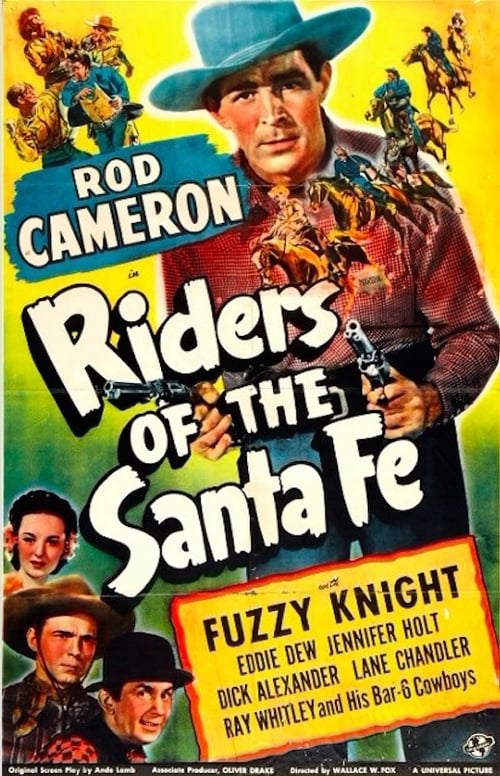
1944
No reviews yet. Be the first to share your thoughts on this movie!
Use the rating form above to leave a star rating and optional review.