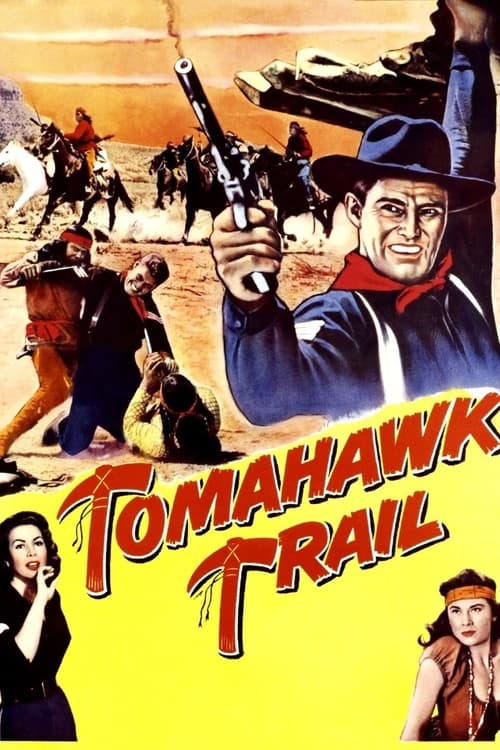
Tomahawk Trail
1957
No user ratings available yet
Diversity score: 1.3 out of 10
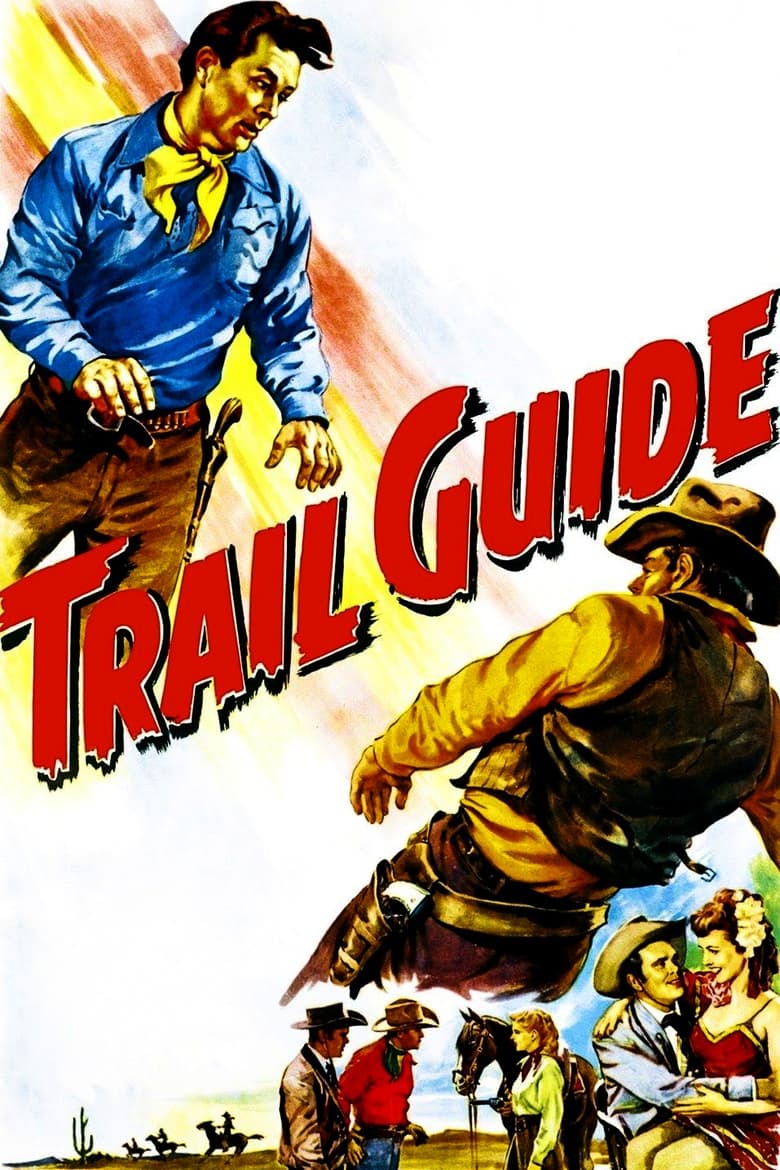
1952
ApprovedDirector
Lesley Selander
Runtime
60 minutes
Average Rating
No ratings yetSynopsis
A cowboy and his Mexican-Irish sidekick lead a wagon train to an unfriendly place.
Overall Score
Limited
Category Breakdown
LGBTQ+ Representation
The film lacks any evidence of LGBTQ+ characters or non-heteronormative identities. It follows the conventional social structures typical of 1952 cinema.
Gender Representation
Narrative focus centers on masculine leadership and physical agency. The film reinforces traditional gender hierarchies common to the Western genre.
Racial & Ethnic Diversity
A Mexican-Irish sidekick provides some ethnic blending within the central dynamic. However, this character serves a secondary role rather than driving the plot.
Religious & Cultural Diversity
The story aligns with traditional Western values and frontier morality. It celebrates the foundational myths of Western expansion and communal survival.
Disability Representation
There is no mention of characters possessing visible or invisible disabilities within the narrative.
Strengths
Areas for Improvement
AI Analysis
Trail Guide is a standard mid-century Western that operates strictly within the genre's established archetypes. It reflects the social constraints and narrative conventions of the early 1950s, prioritizing traditional frontier storytelling over intersectional complexity. The film's primary diversity comes from the ethnic background of the sidekick, offering a moderate degree of representation for the era. However, this character remains secondary to the protagonist, maintaining a traditional hierarchy. Ultimately, the film reinforces heteronormative and masculine-centric standards. It lacks significant representation for women, LGBTQ+ individuals, or characters with disabilities, functioning as a conventional period piece.
1957
1955
1967
1965
1942
1937
1941
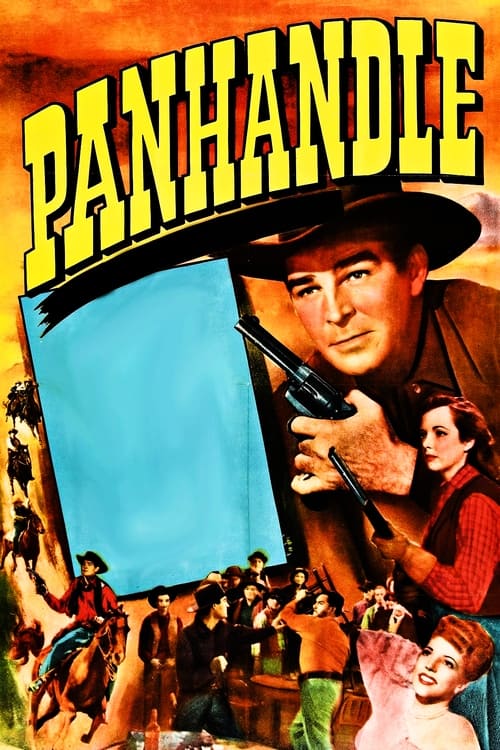
1948
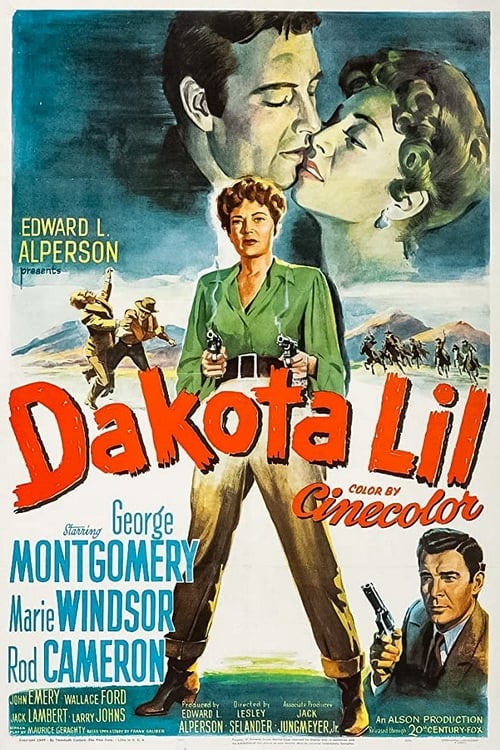
1950
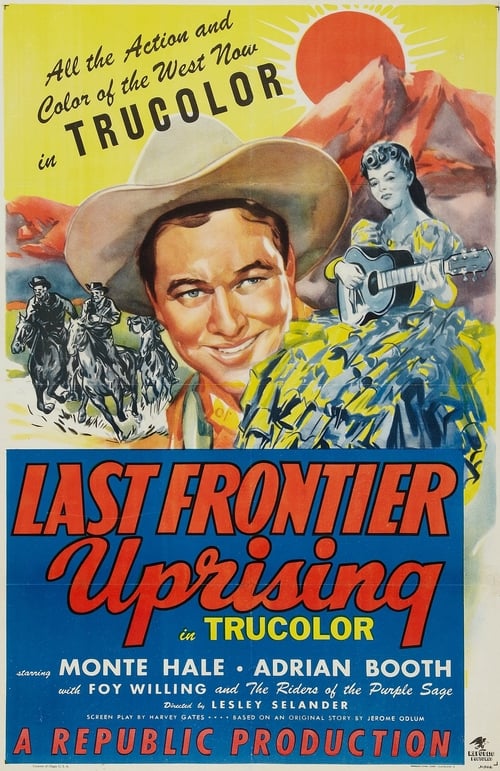
1947
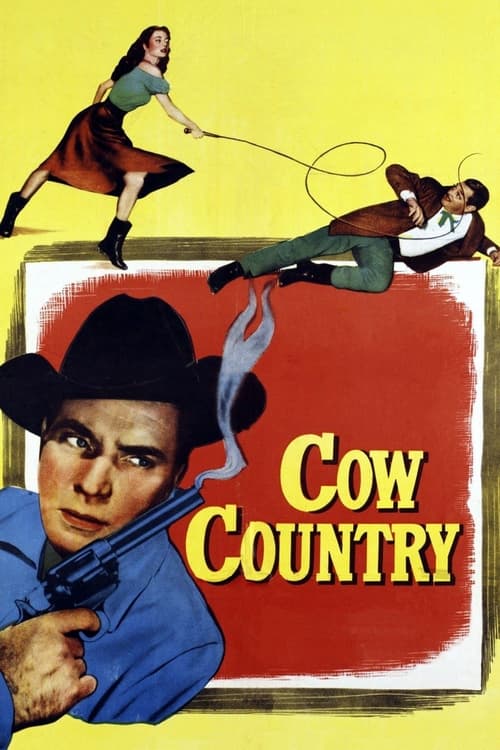
1953
1940
No reviews yet. Be the first to share your thoughts on this movie!
Use the rating form above to leave a star rating and optional review.