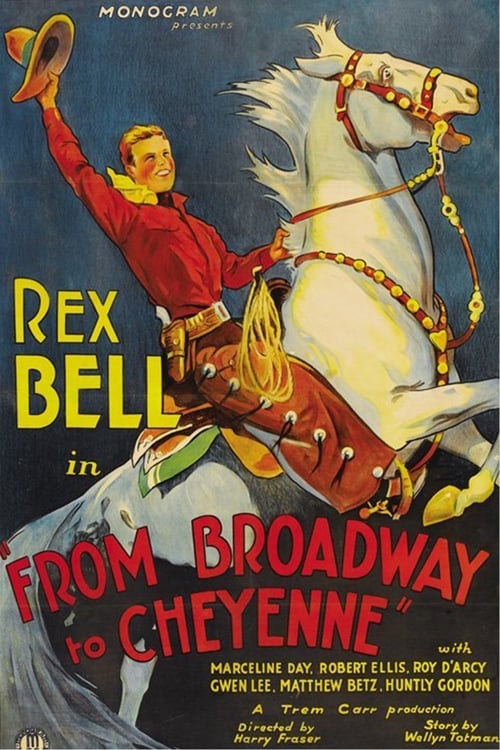
Broadway to Cheyenne
1932
No user ratings available yet
Representation score: 1.3 out of 10
Representation Score
Minimal
1934
PassedDirector
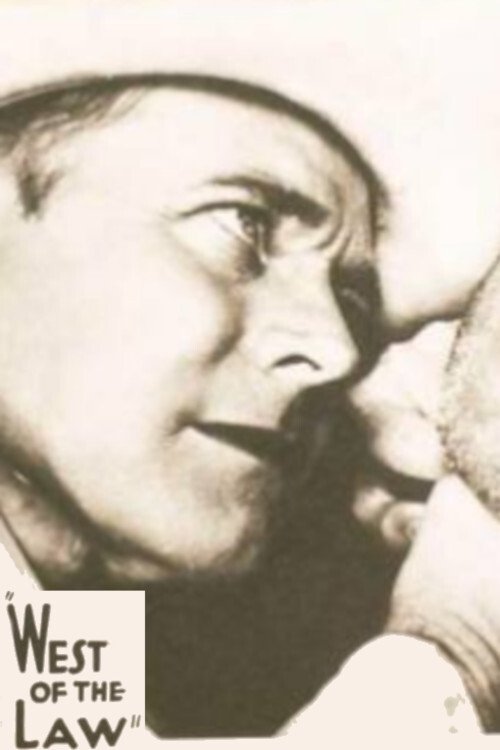
Robert Emmett Tansey
Runtime
28 minutes
Average Rating
No ratings yetNew Showbiz Analysis
West of the Law is a typical 1930s B-Western that adheres strictly to the genre conventions of its time. The plot follows a predictable clash between urban criminals and rural protagonists, offering little in the way of social complexity. The film lacks intentionality regarding storytelling that reflects multiple aspects of identity or challenging established hierarchies. It functions as a baseline for traditional Western archetypes, prioritizing standard formulas over diverse characterization. Ultimately, the production reflects the rigid social and cinematic constraints of 1934, resulting in a narrative that is culturally and demographically homogeneous.
Category Breakdown
The film does not include any LGBTQ+ characters or stories that go beyond the assumption that everyone is straight or cisgender. It follows the strict social and cinematic rules of 1934.
The story focuses on male-driven conflicts between gangsters and cowboys. Women are mostly shown in secondary or domestic roles.
The film likely reflects the era's standard casting of Anglo-Saxon protagonists. It conforms to the homogeneous racial norms of the 1930s Western genre.
The narrative emphasizes traditional frontier justice and individualistic heroism. It centers on rural order versus urban disruption.
There is no evidence of disability being part of the character arcs or plot mechanics.
Present on Screen
Limited or Absent
Official Synopsis
Big-city gangsters run out of gas in the middle of the desert. A local cowboy gives them a tow back to his ranch, and the gangsters decide his ranch would be the perfect hide-out.
1932
1939
1930
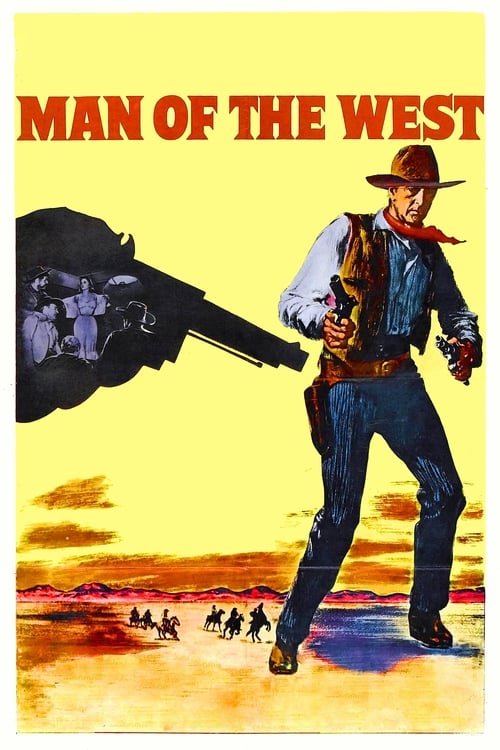
1958
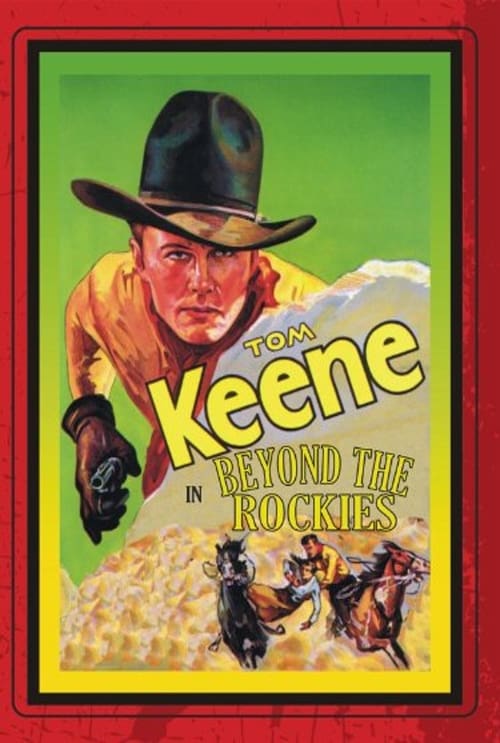
1932
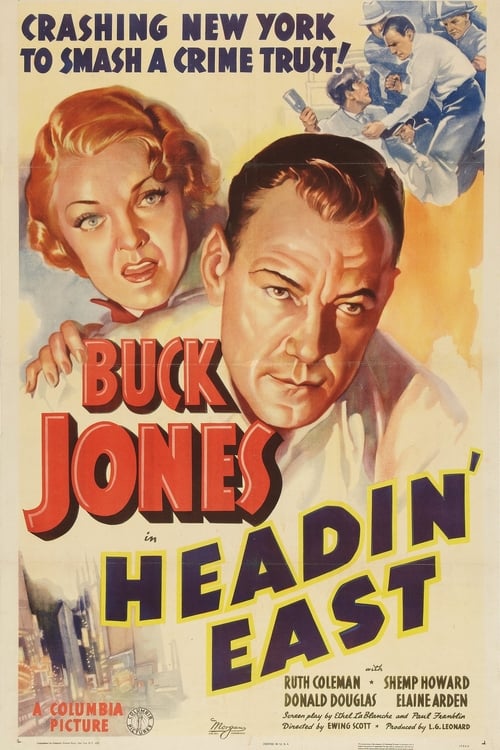
1937
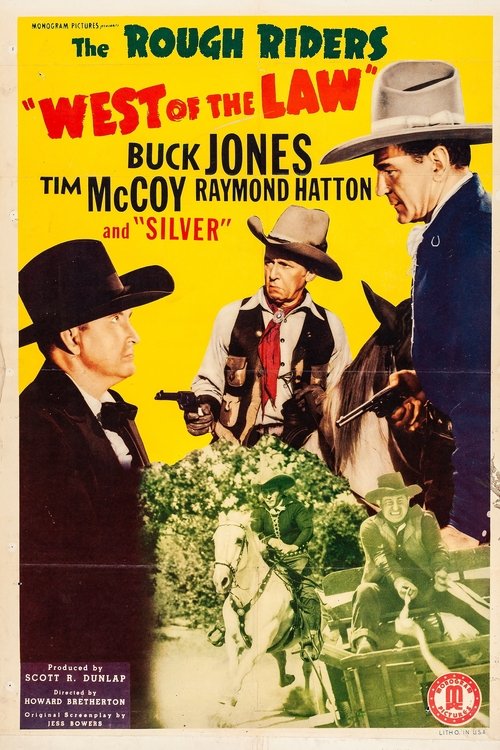
1942
1934
No reviews yet. Be the first to share your thoughts on this movie!
Use the rating form above to leave a star rating and optional review.