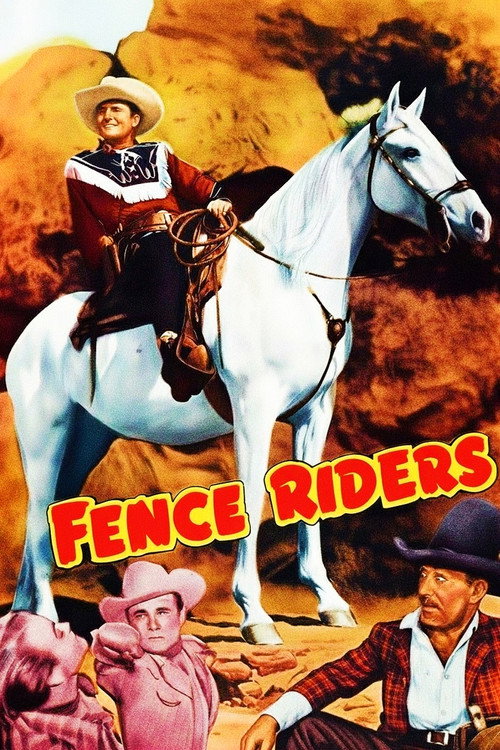
Fence Riders
1950
No user ratings available yet
Representation score: 1.2 out of 10
Representation Score
Minimal
1943
PassedDirector
Howard Bretherton
Runtime
55 minutes
Average Rating
No ratings yetNew Showbiz Analysis
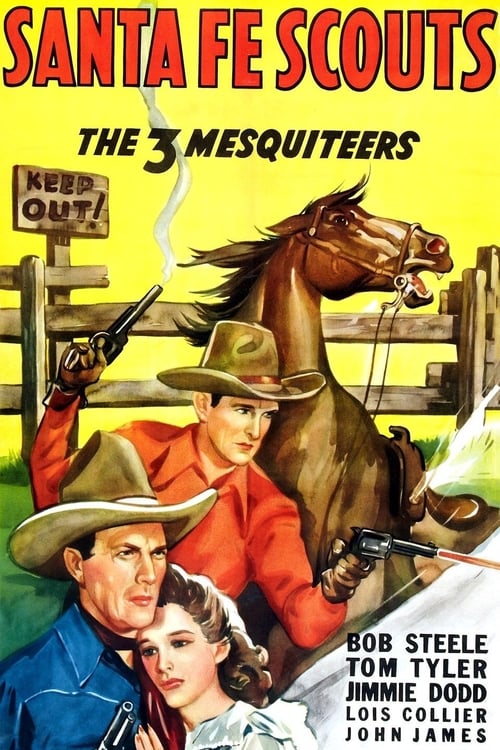
Santa Fe Scouts is a classic B-Western that emphasizes genre conventions and moral clarity. The narrative reinforces the social, gender, and racial norms of the 1940s. By focusing on male camaraderie and the defense of private property, the film supports the institutional ideals of its time. It avoids challenging or critiquing the traditional hierarchies of the era. Ultimately, the film is a conservative example of genre filmmaking, highlighting law, order, and the virtues of structured organizations like the Scouts.
Category Breakdown
The film adheres to the assumption that everyone is straight or cisgender. There are no representations of non-assuming gender matches what was assigned at birth identities or same-sex relationships.
The cast focuses primarily on male characters and authority figures. Female roles are either absent or have minimal impact on the story.
The casting is predominantly Anglo-Saxon, with characters of color having limited roles and representation.
The story upholds traditional Western institutions and property rights. It emphasizes moral absolutes and respect for structured authority.
Characters are portrayed as physically fit and young. There are no characters with physical, sensory, or neurodivergent disabilities.
Present on Screen
Limited or Absent
Official Synopsis
This late entry in Republic's long-running "Three Mesquiteers" series stars Bob Steele, Tom Tyler and Jimmy Dodd as, respectively, Tucson Smith, Stony Brooke and Lullaby Johnson. This time out, the Mesquiteers try to help young Tim Clay (John James), who's been framed for murder by villains who want to gain possession of Clay's ranch property.
1950
1943
1943
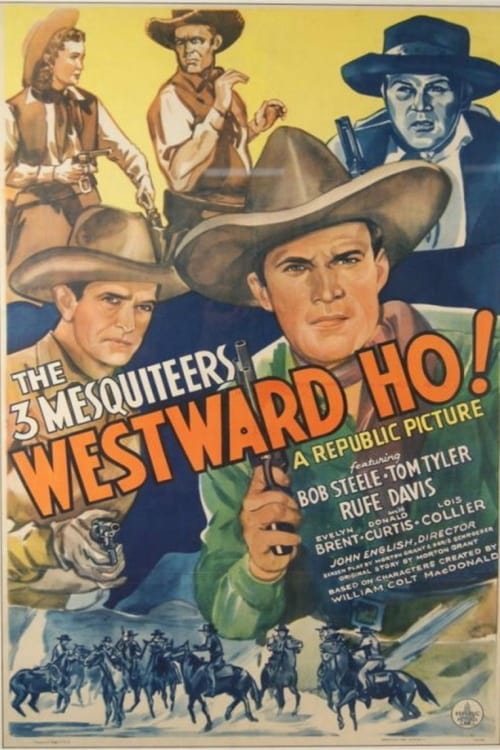
1942
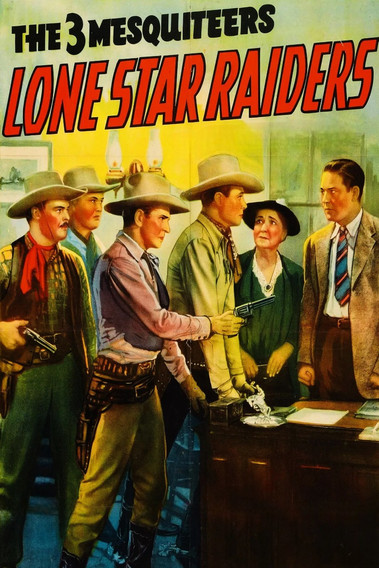
1940
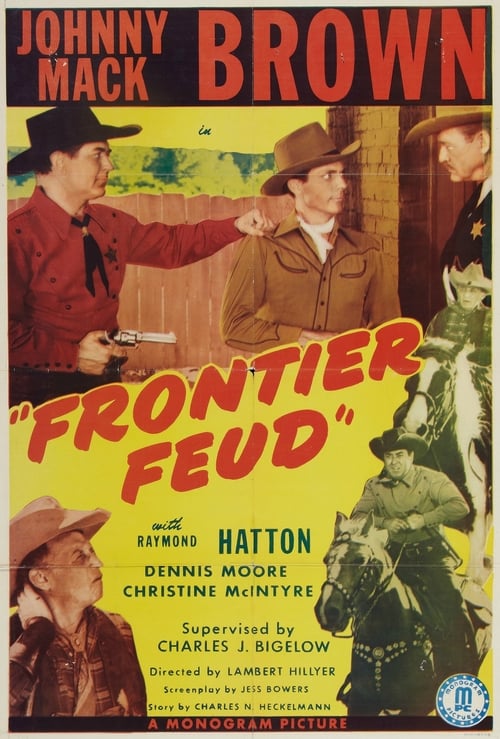
1945
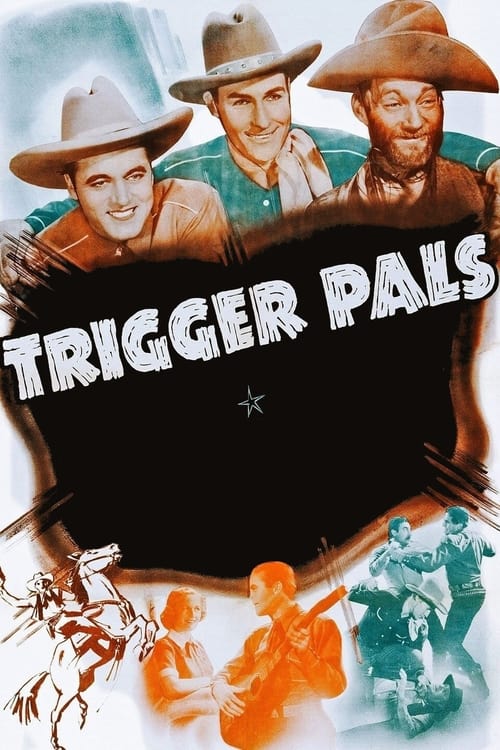
1939
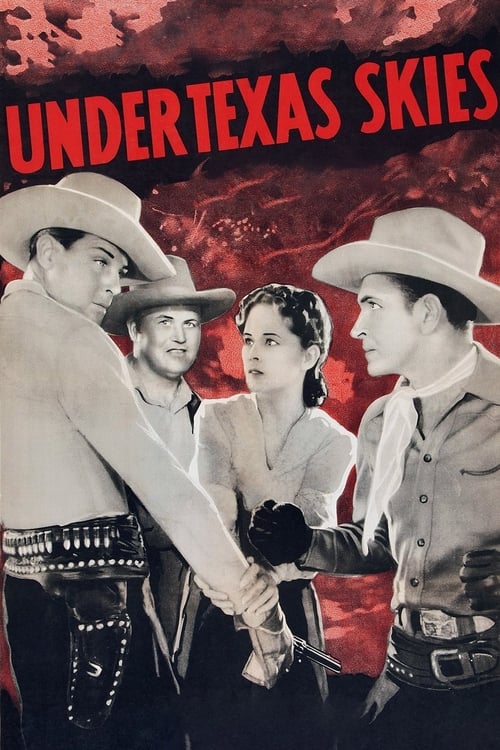
1940
No reviews yet. Be the first to share your thoughts on this movie!
Use the rating form above to leave a star rating and optional review.