
Gun Town
1946
No user ratings available yet
Representation score: 1.6 out of 10
Representation Score
Minimal
1942
NRDirector
Howard Bretherton
Runtime
63 minutes
Average Rating
No ratings yetNew Showbiz Analysis
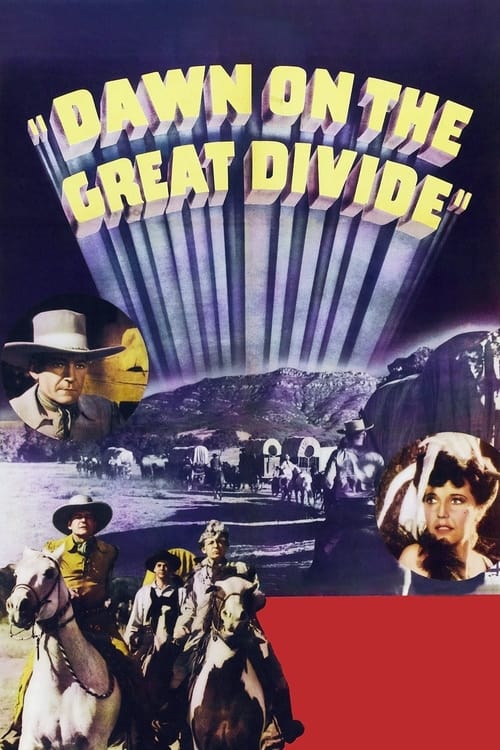
Dawn on the Great Divide is a classic 1940s B-Western that upholds the social structures of its time. The film centers on traditional masculine archetypes, with the plot driven primarily by male-led conflicts involving wagon trains and railroad supplies. The film's reliance on outdated clichés limits its representation. Using white actors dressed as Native Americans to drive the plot underscores a lack of authentic ethnic depiction. Additionally, the film's focus on traditional masculine leadership and the absence of LGBTQ+ characters highlight its adherence to the conventions of its era. Overall, the film reinforces conventional Western progress and gender roles, lacking multi-layered depth or diverse character's ability to drive the story.
Category Breakdown
The film does not include any LGBTQ+ characters or non-straight identities. The storyline follows a typical 1942 conflict.
Male characters like Buck Roberts and Jim Corkle dominate the story, reinforcing traditional masculine leadership despite the presence of women in the wagon train.
White actors dress as Native Americans to facilitate attacks, relying on racial performance rather than authentic Indigenous ability to act.
The story emphasizes Western expansion and railroad progress, functioning as a traditional morality tale focused on resource protection and institutional growth.
The film does not feature any characters with visible or invisible disabilities.
Present on Screen
Limited or Absent
Official Synopsis
Buck Roberts is leading a wagon train of railroad supplies and Jim Corkle and his henchman Loder are out to stop them by using white men dressed as Indians for the attacks.
1946
1952
1942
1942
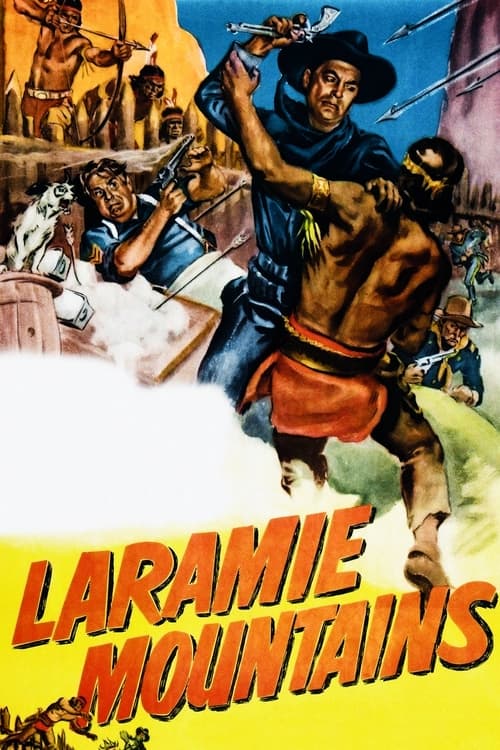
1952
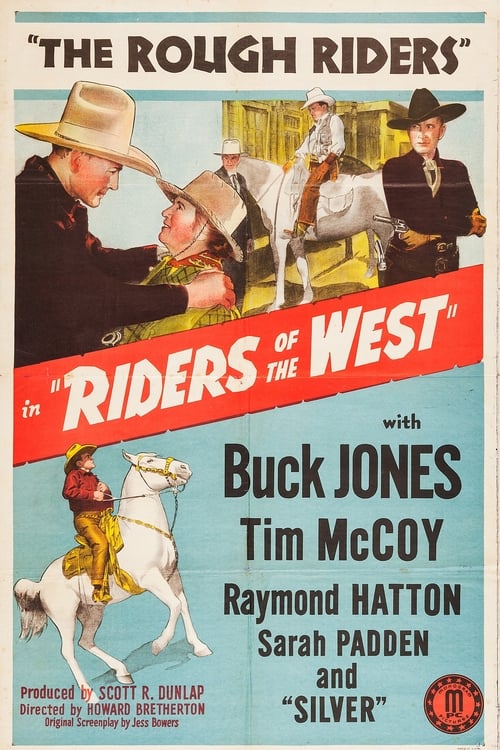
1942
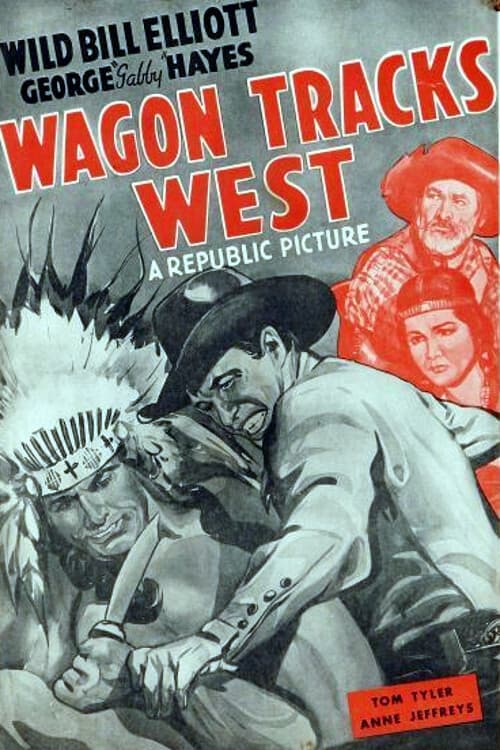
1943
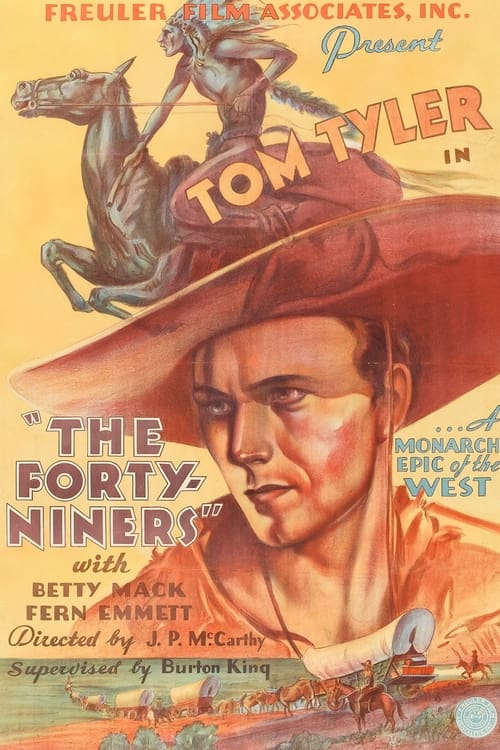
1932
No reviews yet. Be the first to share your thoughts on this movie!
Use the rating form above to leave a star rating and optional review.